

MATERIA
The Grammar of the Kitchen
Materia begins with the ingredients that seem almost too familiar to question. Salt, tomatoes, onions and oils are present in most kitchens, but each one opens into a much larger study: salting with intention, understanding acidity and umami exploring tomatoes, choosing oils as carriers of aroma and heat. These articles ask the cook to slow down and reconsider the obvious. A common ingredient can become a field of research when we examine how it behaves, where it comes from, and what it makes possible.
From there, the archive moves into ingredients that reveal deeper transformations. Black garlic, seaweeds, soy, mushrooms, and rice show how time, fermentation, drying, mineral depth, and texture can change the identity of the raw material. Some ingredients become sweeter as they age. Others become more concentrated when dried, more complex when fermented, or more expressive when handled through the right technique. Materia follows these shifts closely, not only to describe what an ingredient is, but to understand what it can become.
The section also looks at parallel material worlds. Dairy and plant-based dairy may appear to belong to the same family because they share familiar forms: milk, cream, yogurt, butter, cheese. But their logic is different. One begins with animal milk and microbial transformation; the other builds texture and richness through nuts, seeds, grains, legumes, oils, starches, and fermentation. Looking at them side by side helps us understand that resemblance is not the same as equivalence. It also opens a larger question that essentially inspired The Creative Chef Method: how do cooks create new material languages without pretending they are identical to old ones?
Some articles are built as points of departure. These pieces gather known uses, traditional applications, and unexpected possibilities around an ingredient, technique, or region. Leaves can become wrappers, aromatic surfaces, steaming tools, or infusion agents. Soy sauce can move beyond seasoning into sweetness, glaze, depth, and dessert. Exploring regions in parallel such as the Baltic Basin and the South African Coast can give us insight to think about smoke, fermentation, preservation, and show us the contrast between hot and cold-climate flavor. These articles are maps for exploration, an Atlas of culinary possibilities, designed to help the cook notice patterns, begin testing and research ideas more in depth.
Materia also follows certain ingredients in greater depth. Corn, maize-based drinks, and masa reveal how one grain can become nourishment, dough, ferment, ritual, identity, and technique. This is where the Ingredient Exploration Matrix becomes central. Rather than treating an ingredient as a fixed object, the matrix asks us to look through several lenses: texture, flavor, aroma, process, and heritage. It helps the cook move from recognition to authorship, from “I know this ingredient” to “I understand the potential of this ingredient in my cooking.”
Finally, Materia includes the instruments and mechanics of the kitchen. A grinder, a chef’s knife, or a grill is not simply equipment. Each tool changes what an ingredient can do. Grinding alters particle size and texture. A blade defines precision, rhythm, and control. A grill introduces radiant heat, smoke, char, and timing. Tools are part of the same culinary grammar because they are the means by which ingredients enter technique and technique becomes transformation.
Search Materia
Looking for a specific ingredient, technique, tool, or process? Use the search bar to move through the archive. Try searching by material, such as salt, corn, seaweed, nuts, etc. By technique, such as fermentation, grilling, or infusion, etc. Or by function, such as umami, texture, heat, aroma, etc. Materia is built to be explored through connections. One search may lead you from an ingredient to a technique, from a tool to a process, or from a familiar material to an unexpected point of departure.
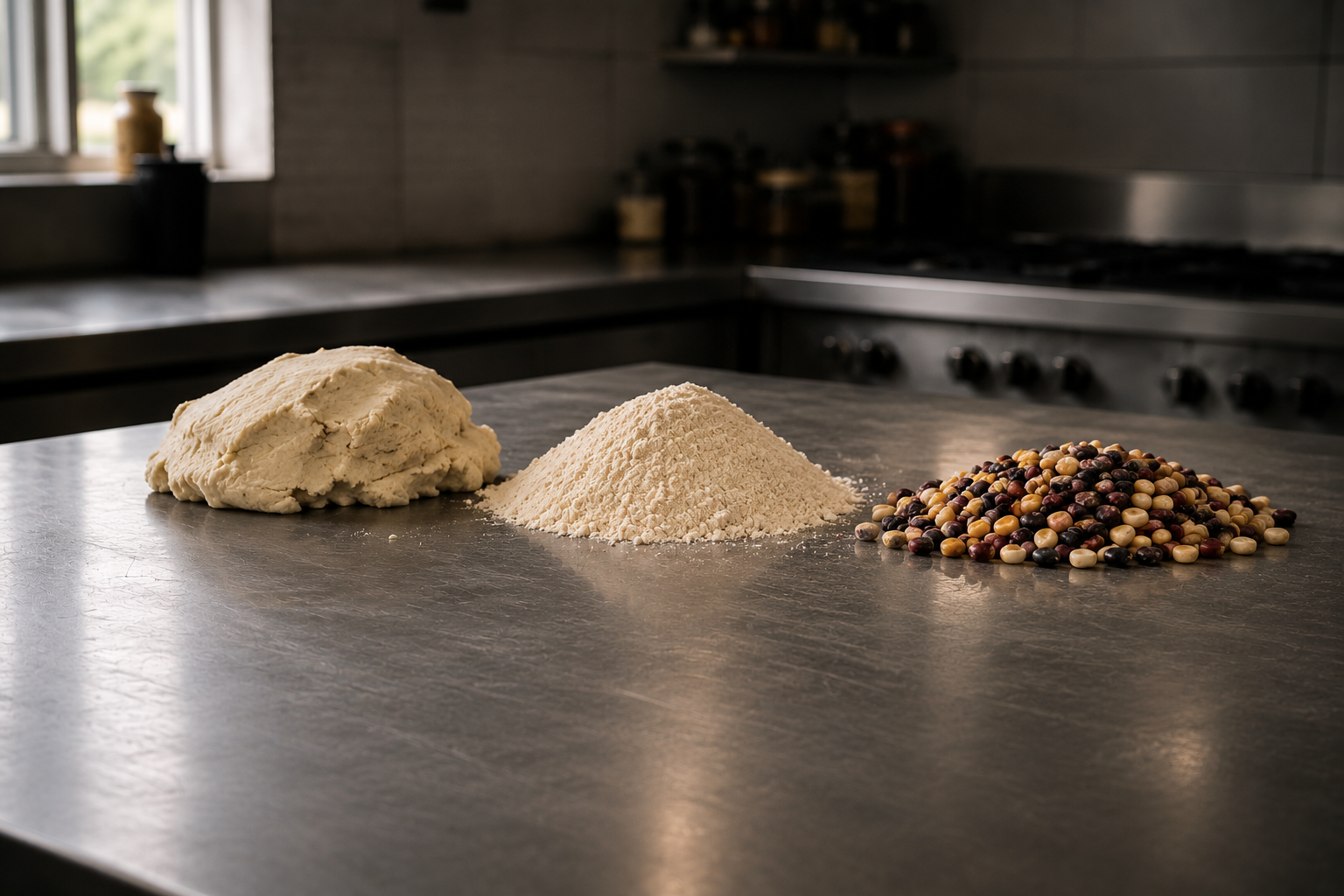
Maize-Based Drinks — Corn as Nourishment, Ferment, and Refreshment
Corn is not only food as sustenance; it is also a drink and festivity. This Materia guide explores maize-based beverages, from atoles and chichas to corn tea, purple corn drinks, and spirits.
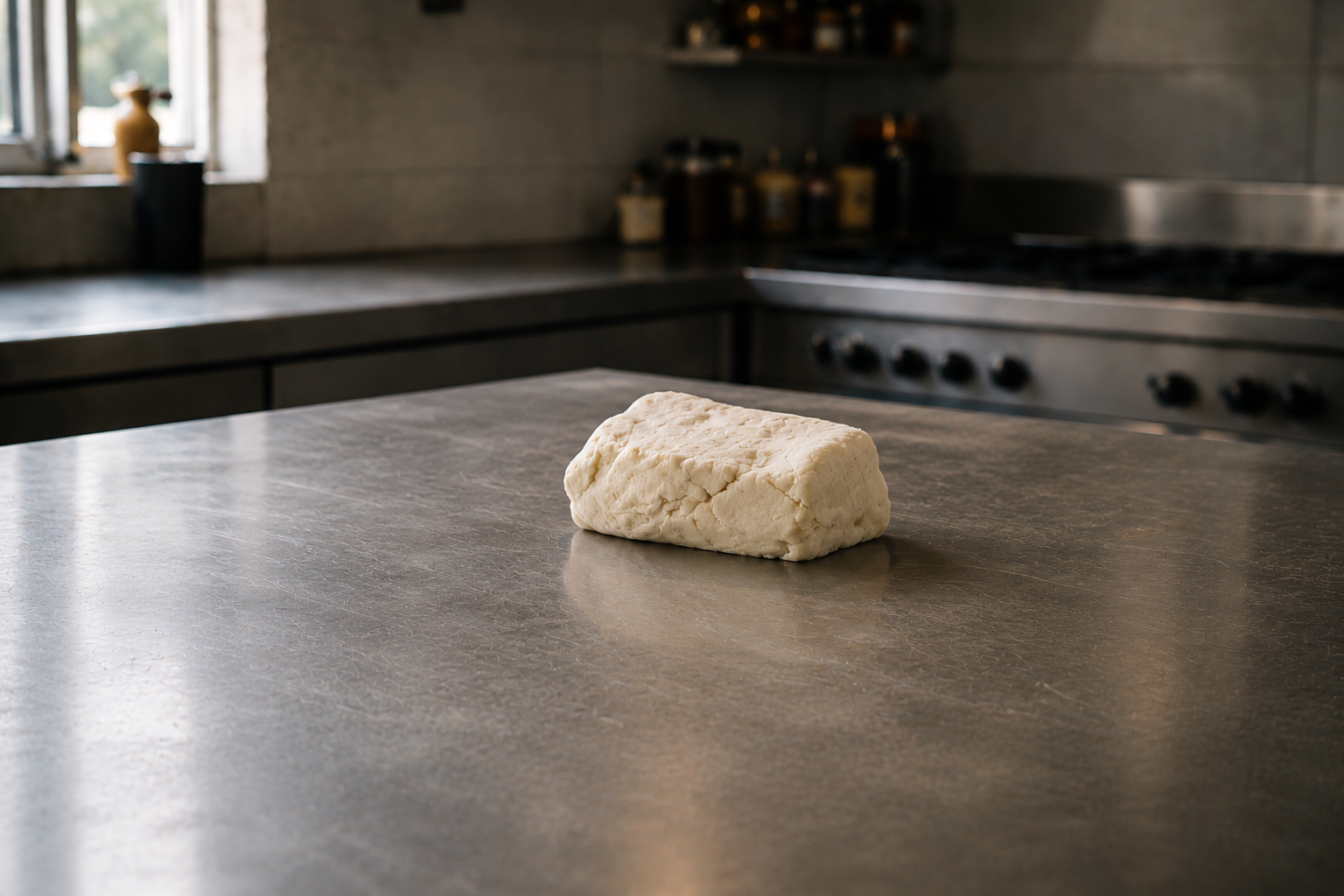
Masa — The Living Dough of Maize, Memory, and Transformation
Masa is nixtamalized corn transformed into a living culinary material. This Materia guide explores fresh, rested, dried, fermented, and enriched masa, plus its uses in tortillas, tamales, pupusas, atoles, and more.
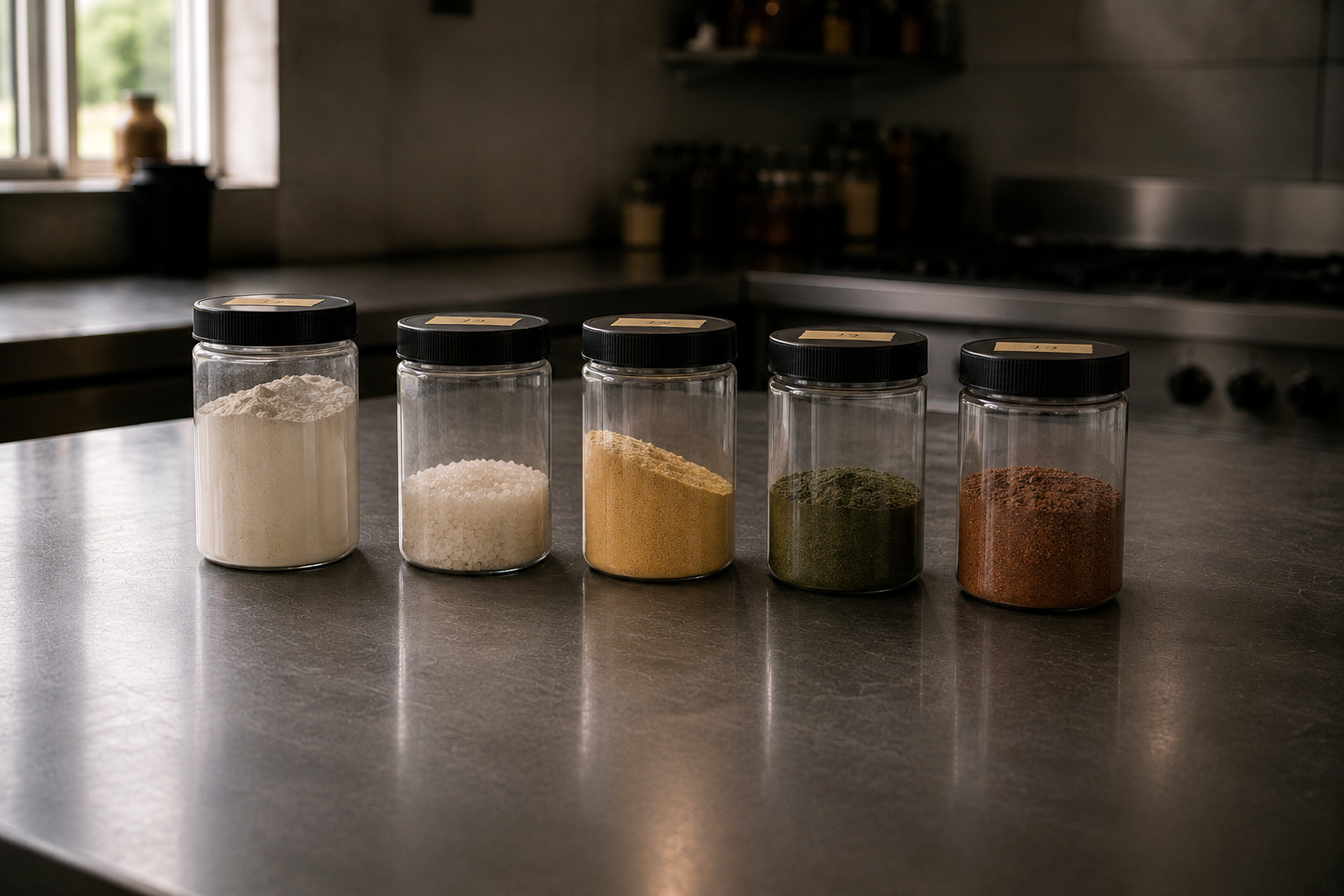
Molecular Cuisine Plant-Based Ingredients — 23 Departure Points for Creating Textures
Plant-based molecular cuisine ingredients shape texture, structure, color, aroma, and stability. This Departure Points article explores 23 materials that help cooks create gels, foams, emulsions, powders, and natural color.
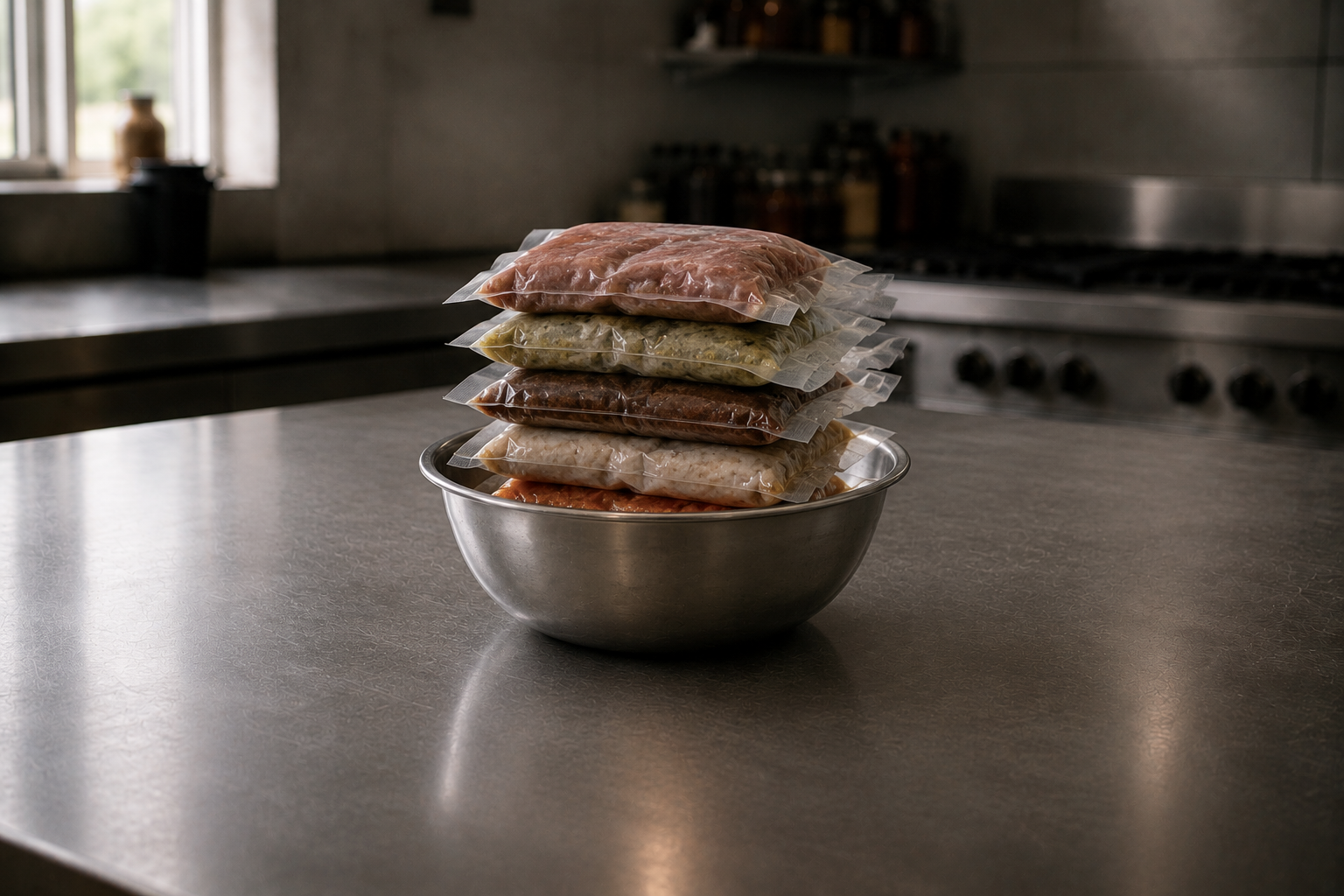
Molecular Cuisine Techniques — 23 Departure Points for Texture, Precision, and Transformation
Molecular cooking is not only a spectacle or a set of gimmicks. This Departure Points article explores 23 techniques that transform ingredients through texture, temperature, air, pressure, structure, and precision.
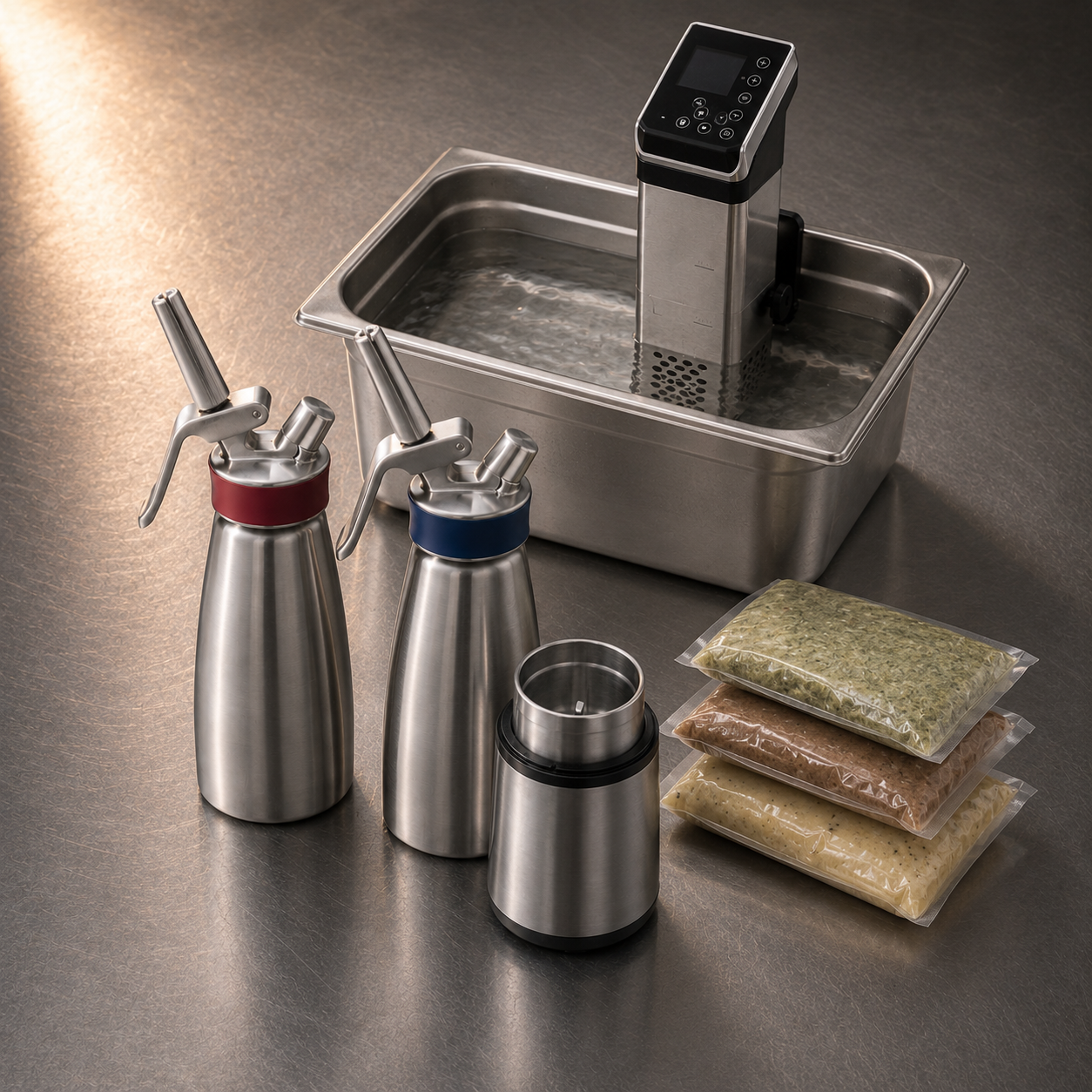
Molecular Cuisine Tools — 23 Departure Points for Precision, Texture, and Control
Molecular cuisine tools are instruments of control. This Departure Points article explores 23 tools that help cooks work with precision, texture, temperature, pressure, air, and form.
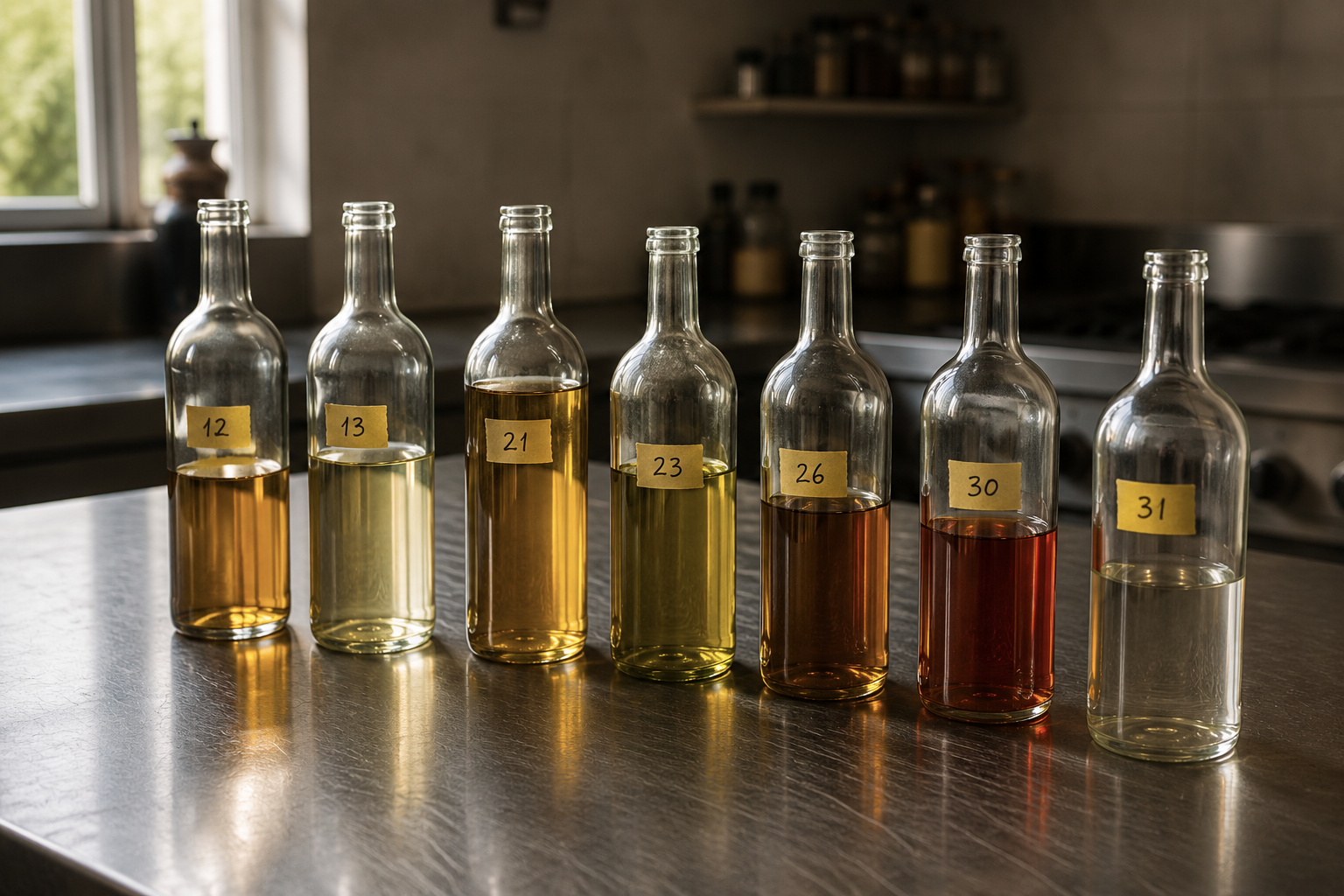
Oils — Flavor Carriers, Heat Mediums, and the Culinary Grammar of Fat
Oils are more than cooking fats. This Materia guide explores oils as flavor carriers, heat mediums, emulsifiers, preservatives, and active agents in culinary creativity.
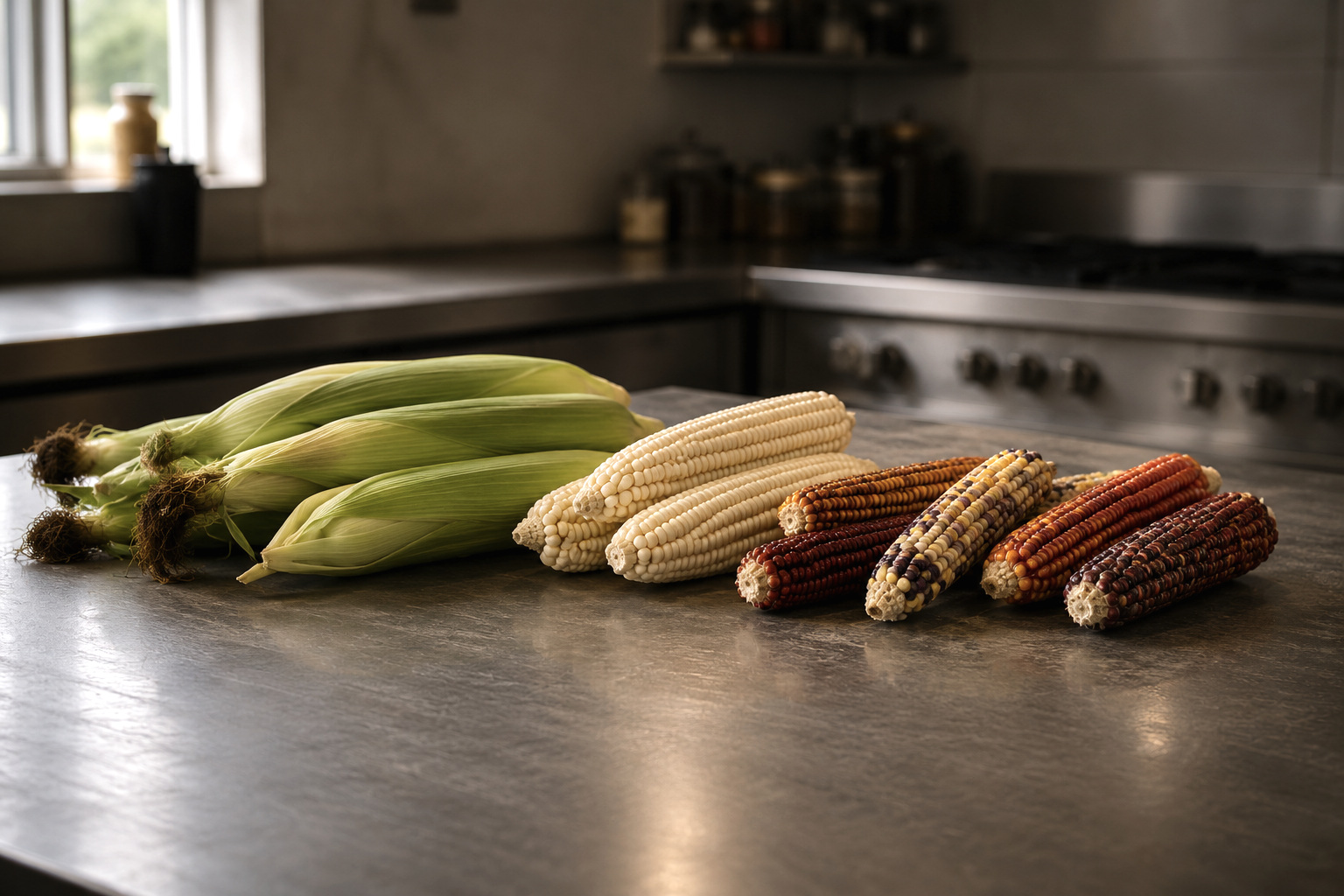
Corn — Masa, Memory, and the Culinary Foundation of Latin America
Corn is a foundational ingredient in Latin American cuisine. This Materia guide explores its origins, transformations, masa, drinks, nixtamalization, and culinary uses.
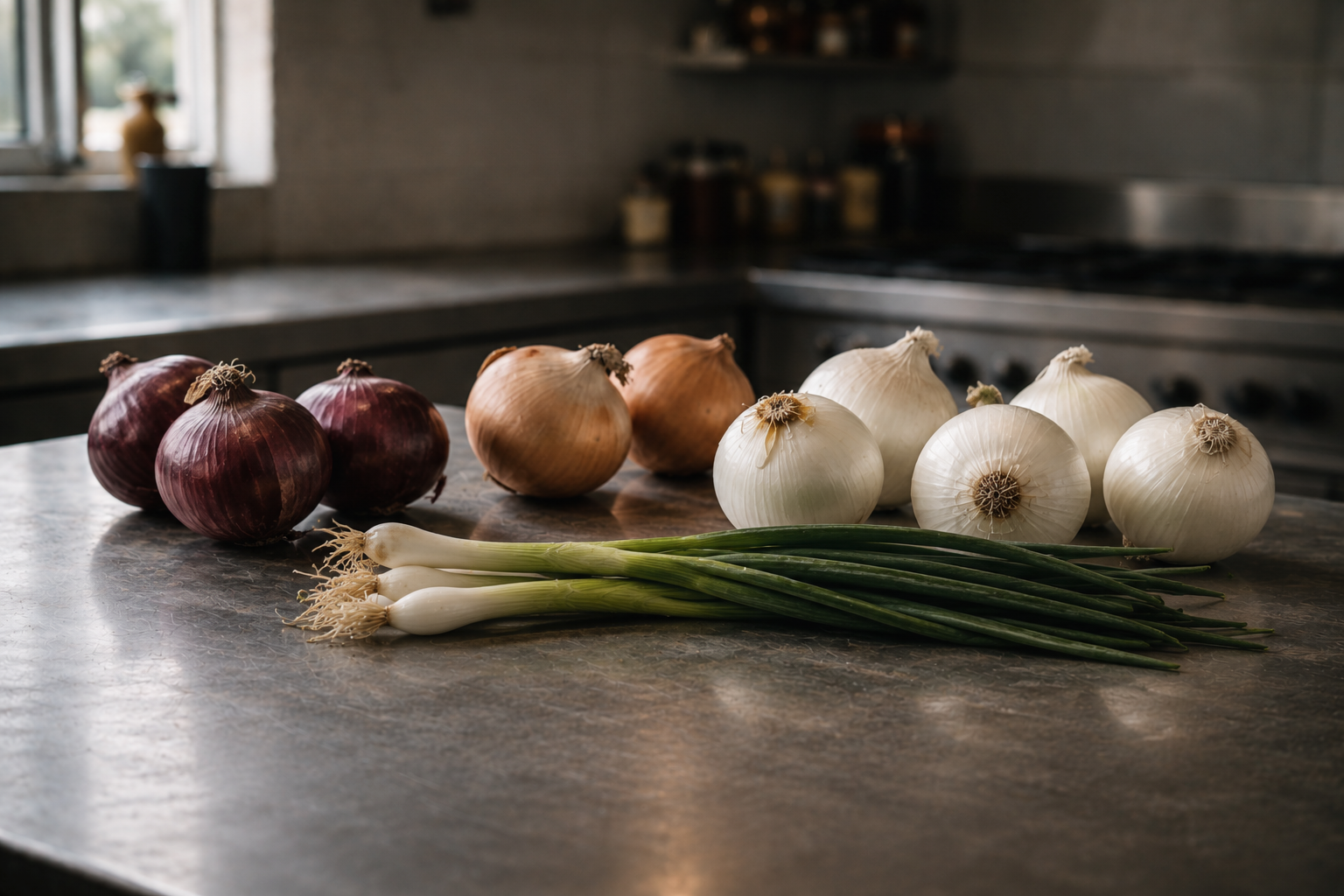
Onion — Aroma, Sweetness, and the Hidden Architecture of Flavor
Onion is one of the hidden foundations of cooking. This Materia guide explores onion types, flavor, storage, cooking techniques, and how onions shape dishes across cuisines.
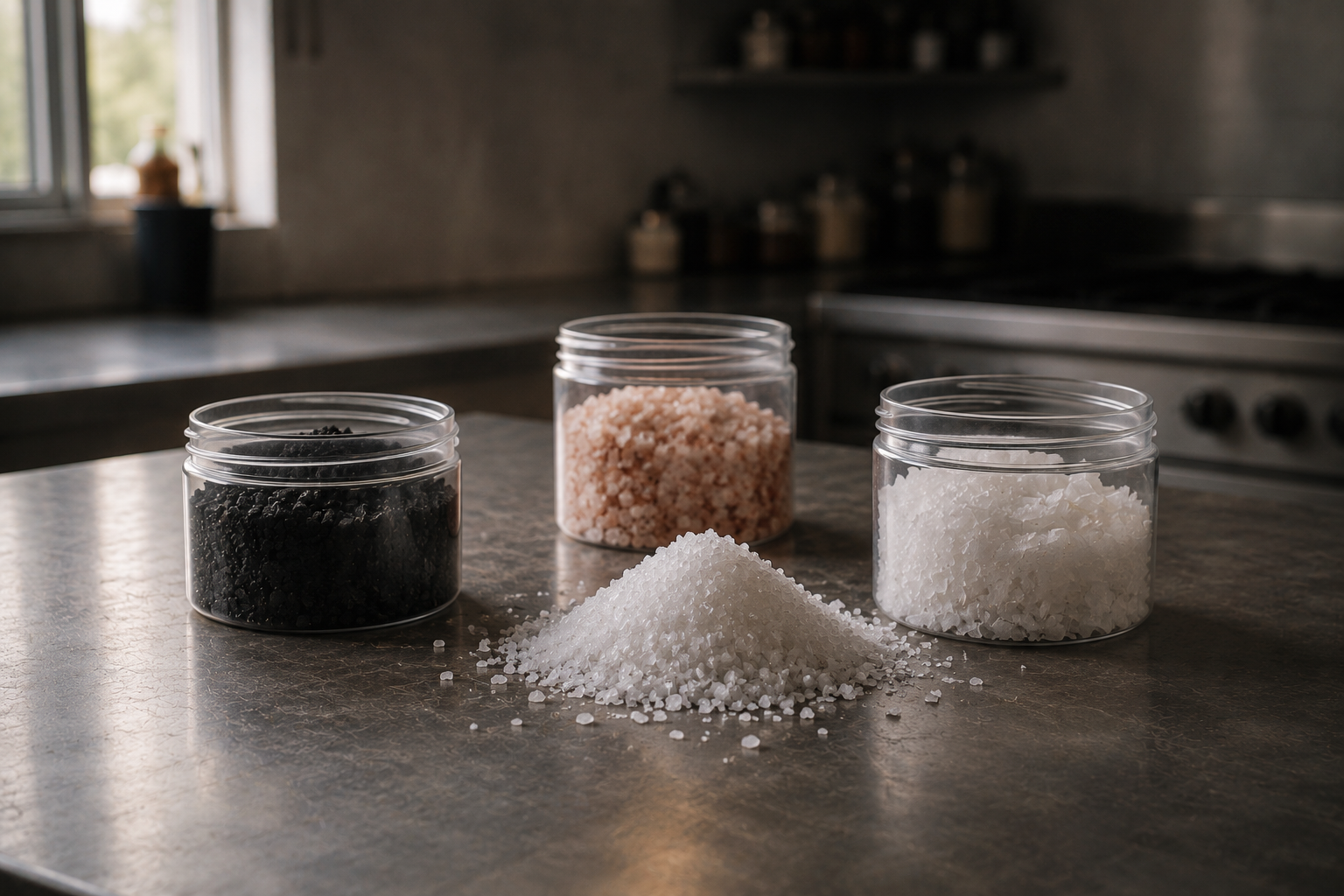
Salt — Salting With Intention, From Mineral Depth to Culinary Precision
Not all salts behave the same. This Materia guide explores salt types, mineral character, storage, safety, and how to season with intention.