Masa — The Living Dough of Maize, Memory, and Transformation
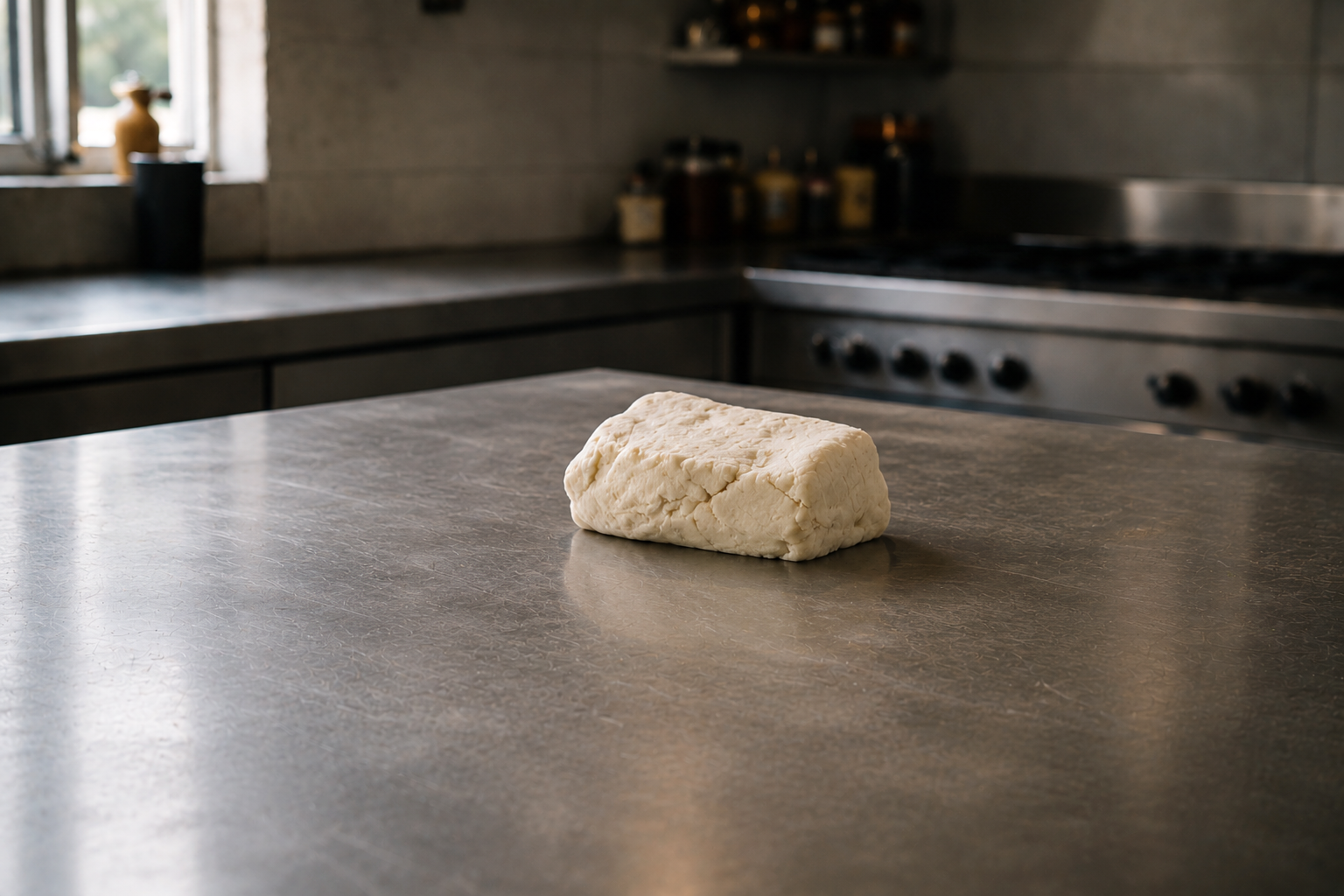
Masa is not simply corn dough. It is corn that has passed through transformation. Once maize is nixtamalized, washed, ground, hydrated, and handled, it becomes a living culinary material. It can be pressed thin into tortillas, wrapped into tamales, shaped into pupusas, thickened into atoles, fried into crisp forms, or steamed into soft ceremonial foods. Masa is one of the clearest examples of how technique changes an ingredient’s identity.
In Mesoamerican cooking, masa is foundational. It carries daily life and celebration, street food and home cooking, ritual and practicality. A tortilla, a tamal, a pupusa, a sope, and an atol may begin from the same transformed corn, but each becomes something different through moisture, pressure, wrapping, heat, resting, and touch.
This article is a deeper exploration of masa as material. Not every corn dough in the Americas is nixtamalized in the same way; arepas, for example, belong to the broader corn-dough family but often follow a different process. Here, our focus is masa in the Mesoamerican sense: nixtamalized maize transformed into a flexible system of cooking.
What Masa Is — Activated Corn
Masa begins with maize, but it is not only raw ground corn. It is the result of a process. Dried corn is cooked with an alkaline agent, traditionally lime or ash, then rested, rinsed, and ground. This process, known as nixtamalization, changes the grain chemically, nutritionally, texturally, and aromatically. It makes corn more digestible, changes its flavor, and allows it to become a cohesive dough.
This is why masa should not be understood as flour mixed with water. It is a prepared material with memory already built into it: fire, water, minerals, rest, grinding, and handwork.
Why Masa Matters — One Dough, Many Worlds
Masa matters because it can become many things while remaining itself.
It can function as:
a vessel, in tortillas, pupusas, gorditas, and tlacoyos
a wrapper, in tamales and leaf-steamed preparations
a structure, in sopes, tostadas, and thick griddled forms
a liquid base, in atoles and masa-based drinks
a festive material, in ceremonial tamales and seasonal foods
a textural tool, moving from soft to crisp, tender to chewy, thin to dense
This is the genius of masa: it is not one recipe, but a system of possible forms.
Masa Variations — Fresh, Rested, Dried, Fermented, Enriched
Once maize has been nixtamalized, it enters a state of possibility. What happens next is not a fork in the road, but a series of controlled deviations. By adjusting moisture, time, rest, fat, and handling, masa becomes many things without ever leaving its system.
Think of these variations as states of matter rather than fixed recipes.
Fresh Masa — Immediate, Alive, Responsive
Fresh masa is freshly ground nixtamal, often still carrying warmth, aroma, and moisture from the mill or stone. It is masa at its most expressive and fragile.
Key Characteristics
soft, elastic, and aromatic
highly responsive to pressure
short lifespan, often measured in hours
vivid corn aroma and strong tactile character
How It Is Used
tortillas
tlacoyos
sopes
gorditas
pupusas
fresh tamales
hand-shaped masa preparations
Technique Logic
Fresh masa rewards attention. Hydration must be read by touch, not only by measurement. If it is too dry, it cracks. If it is too wet, it sticks and collapses. Resting may be brief, but handling matters. Overworking can dull the texture and aroma.
Fresh masa is where the hand becomes part of the technique.
Rested Masa — Stabilized, Cooperative, Forgiving
Rested masa is fresh masa that has been wrapped and allowed to sit for several hours, sometimes overnight. During this time, moisture redistributes and the texture becomes more even.
Key Characteristics
more cohesive and predictable
easier to shape and fill
slightly softer in aroma than fresh masa
more tolerant of manipulation
How It Is Used
filled tortillas
pupusas
tamales with complex fillings
layered masa preparations
folded or stuffed forms
Technique Logic
Rest allows hydration to stabilize. This makes the masa more forgiving when stretched, pressed, filled, or wrapped. For preparations that require structure, rested masa is often easier to control than very fresh masa.
Dried Masa / Masa Harina — Portable, Durable, Reinterpretative
Masa harina is nixtamalized corn that has been dried and ground. When rehydrated, it re-enters the masa system, though with less aroma and immediacy than fresh masa.
Key Characteristics
shelf-stable
predictable and accessible
less aromatic than fresh masa
useful for home kitchens without access to fresh nixtamal
How It Is Used
daily tortillas
tamales
pupusas
fried masa snacks
baked or hybrid preparations
fusion applications
Technique Logic
Hydration is everything. Water temperature, resting time, and the final feel of the dough determine success. Adding broth, fat, or a small amount of fresh masa can restore richness and elasticity.
Masa harina is not inferior by default. It is a different material with its own logic.
Fermented Masa — Depth, Acidity, Transformation
Fermented masa develops acidity, aroma, and softness through time. This may happen naturally in some regional preparations or intentionally in contemporary experimentation.
Key Characteristics
light tang
softer structure
deeper aroma
increased complexity
potential improvement in digestibility
How It Is Used
sourdough-like tortillas
masa-based beverages
atoles
regional breads
steamed preparations
experimental contemporary cooking
Technique Logic
Fermentation time can vary from hours to days, depending on temperature, hydration, and local conditions. Fermented masa pairs beautifully with rich, fatty, smoky, or spicy accompaniments because its acidity brings lift.
This is masa moving from structure into flavor development.
Enriched Masa — Adaptation Without Rupture
Enriched masa is adjusted with fat, broth, seeds, herbs, or aromatics. This is especially important in tamales, where masa must remain tender after steaming.
Common Enrichments
lard or vegetable fat
broth instead of water
ground seeds
herbs
chile powders
ash or mineral elements
aromatics
spices
How It Is Used
tamales
festive masa dishes
filled preparations
layered or steamed foods
regional ceremonial dishes
Technique Logic
Enrichment changes elasticity, tenderness, aroma, and cooking behavior. Fat can make masa lighter and more tender. Broth can deepen flavor. Seeds or herbs can change both texture and identity.
The key is balance. Masa should remain the primary voice.
Masa in Practice — Forms and Applications
Masa becomes meaningful through form. The same material changes dramatically depending on thickness, cooking method, filling, and context.
Tortillas — The Daily Grammar of Masa
The tortilla is one of masa’s most essential expressions. It can be thin, thick, large, small, soft, flexible, toasted, or crisped. Across regions, tortilla styles change dramatically.
In northern Mexico, tortillas may be thinner and larger, often shaped by local habits and daily use. In central Mexico, they can be smaller, delicate, and closely tied to street food and home cooking. In Guatemala, tortillas are often thicker, smaller, and more substantial, carrying a different sense of texture and presence at the table.
A tortilla is never just a flat circle. It is a local reading of masa.
Tamales — Wrapped Masa, Steam, and Celebration
Tamales reveal masa’s ceremonial power. They are not one dish, but a vast family of preparations.
Masa may be wrapped in corn husks, banana leaves, plantain leaves, or other regional leaves. Fillings may be savory, sweet, simple, complex, sauced, dry, festive, or everyday. The wrapping material changes aroma, moisture, and texture. The steaming process transforms masa into something tender, enclosed, and deeply comforting.
Many people encounter one version of tamal and assume that is the form. But across Mexico, Guatemala, El Salvador, and beyond, tamales exist in countless variations: large and small, soft and firm, sweet and savory, red, green, black, wrapped, folded, filled, or nearly unfilled.
Tamales are one of the great demonstrations of masa as celebration.
Pupusas — Masa as Filled Structure
Pupusas show masa’s ability to hold generosity inside itself. The dough must be hydrated and rested enough to stretch around fillings without tearing, then cooked on a hot surface until the exterior becomes lightly toasted and the interior remains soft.
Cheese, beans, loroco, vegetables, and other fillings change the character of the dough. The masa becomes both vessel and surface, structure and comfort.
Pupusas are a reminder that masa can hold flavor from within, not only carry it on top.
Sopes, Gorditas, and Tlacoyos — Thickness as Technique
These forms reveal how thickness changes identity.
A thin tortilla folds and wraps.
A thicker sope holds toppings.
A gordita opens into a pocket.
A tlacoyo stretches around a filling and becomes elongated, dense, and satisfying.
The difference is not only shape. It is hydration, thickness, heat, timing, and intended use.
Masa becomes architecture.
Atoles and Masa-Based Drinks — Dough Becomes Liquid
Masa can also become a drink. In atoles, masa is dissolved, hydrated, heated, and transformed into a thick, nourishing liquid. It can be sweet, savory, spiced, fruity, or plain.
Atol de masa is one of the clearest examples of masa moving from solid structure into liquid comfort. It shows that masa is not limited to tortillas and tamales. It can become body, warmth, and drinkable nourishment.
This deserves its own future study, especially alongside other corn-based drinks such as chicha, pinol, pozol, and purple corn beverages.
Arepas and the Wider Corn-Dough Family
Arepas belong to the broader family of corn-based doughs in Latin America, especially in Colombia and Venezuela. They share masa’s logic of shaping corn into structure, but they are not usually made through the same nixtamalized process used in Mesoamerican masa.
This distinction matters. It allows us to respect both systems without collapsing them into one another.
Masa and arepa dough may be cousins, but they carry different histories, techniques, textures, and culinary meanings.
Creative Expansion — Experimenting With Masa
Masa can be treated with respect and still be creatively expanded.
Try:
miso masa dumplings with mushroom broth
black garlic masa cakes with lime and herbs
seaweed salt tortillas for mineral depth
masa pancakes with sesame, scallion, and chile oil
tamales with Mediterranean herb oil and roasted vegetables
pupusas filled with mushrooms, fermented chiles, and soft cheese
atol with coconut, ginger, and cardamom
crispy masa chips with olive oil and smoked paprika
The point is not to decorate masa with novelty. The point is to understand its behavior, then let it encounter other culinary languages with clarity.
Closing Reflection
Masa teaches that transformation is not an abstract idea. It is something you can feel in your hands. It cracks when dry. It collapses when too wet. It softens with rest. It becomes tender with steam, flexible with the comal, crisp with frying, and comforting when dissolved into drink.
To work with masa is to work with a material that carries history and responds to touch. It is one of the great culinary grammars of the Americas: simple, complex, ancient, adaptable, and alive.