Tomatoes — Acidity, Umami, and the Global Journey of a Humble Fruit
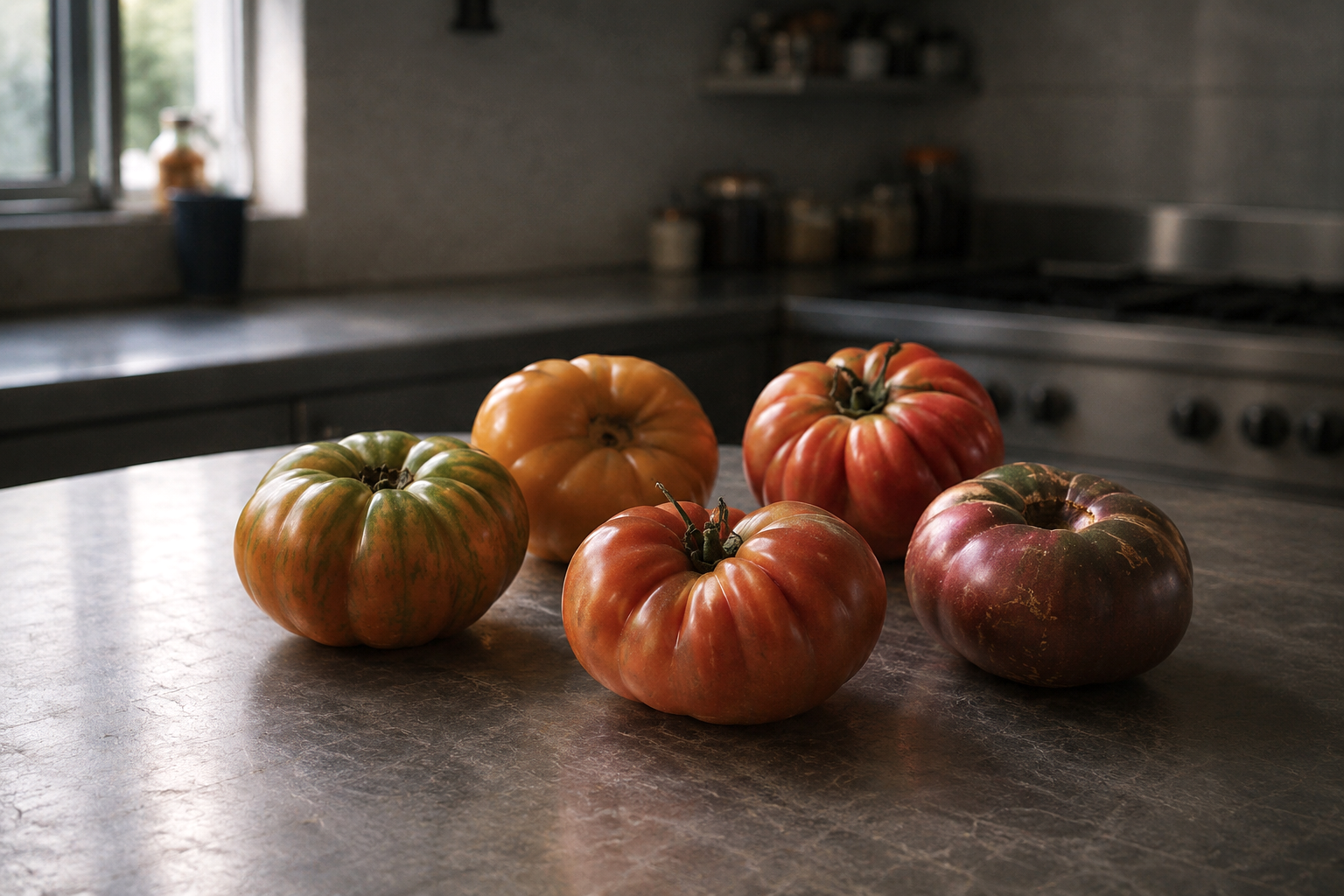
Tomatoes are so familiar that we often stop seeing them. They are in sauces, salads, soups, stews, salsas, sandwiches, pastes, condiments, preserves, and daily cooking across the world. They appear fresh, canned, crushed, roasted, charred, dried, fermented, concentrated, and cooked down into the base of countless dishes. Their accessibility has made them almost invisible.
But tomatoes are one of the great culinary travelers. Born in the Americas, they moved across oceans and slowly entered cuisines that now feel unimaginable without them. Mediterranean cooking before tomatoes is difficult to picture. Italian cuisine without tomato sauce, Spanish sofritos without tomato, North African stews without tomato, Indian curries without tomato, and Latin American salsas without tomato all remind us of one thing: ingredients become traditional through time, repetition, adaptation, and cultural imagination.
The tomato teaches us that cuisine is never fixed. What feels ancient today may once have been foreign, experimental, even suspicious. Over time, cooks learned what tomatoes could do. They learned how to roast them, crush them, sweeten them, preserve them, dry them, emulsify them with oil, and build entire flavor bases around them.
This Materia study looks at tomato not as a simple produce item, but as a culinary material: acidic, juicy, sweet, umami-rich, fragile, generous, and endlessly transformable.
What Tomatoes Are — Fruit, Water, Acid, and Flesh
Botanically, the tomato is a fruit. In the kitchen, it behaves like a bridge between fruit and vegetable.
Its strength comes from a few essential properties:
water, which gives freshness, juiciness, and volume
acid, which brings brightness and balance
natural sugars, which deepen through cooking and roasting
glutamates, which contribute umami and savory depth
skin, which can add texture, bitterness, or charred complexity
seeds and gel, which carry acidity and freshness
flesh, which becomes sauce, body, pulp, and structure
The tomato can be refreshing when raw, sweet when roasted, deep when reduced, smoky when charred, concentrated when dried, and savory when fermented or cooked into a base. This is why tomato belongs in Culinary Grammar. It is not only an ingredient; it is a system of transformations.
Why Tomatoes Matter — Function Before Familiarity
Tomatoes matter because they perform many functions at once.
They can act as:
acid, balancing fat, starch, legumes, meats, and grains
sweetness, especially when cooked, roasted, or reduced
umami, giving savory depth to sauces and condiments
moisture, loosening stews, salsas, and braises
color, bringing red, orange, yellow, green, and dark tones
body, when cooked down into sauce, paste, sofrito, or purée
texture, through skins, seeds, pulp, flesh, and dried forms
fermentation material, in sauces, relishes, and experimental condiments
A tomato is rarely neutral. Even when subtle, it changes the direction of a dish.
Tomatoes Across Culinary Cultures
From the Americas to the World
Tomatoes originated in the Americas and became deeply associated with Mesoamerican and Latin American foodways before spreading globally. Once they traveled, they were absorbed slowly into other cuisines and transformed by local methods. This is one of the most important lessons tomatoes offer: culinary identity is built over time. An ingredient may arrive as something new, then become naturalized through practice.
Today, tomatoes are central to many culinary systems.
In Mexico and Central America, they appear in salsas, recados, chilomoles, soups, stews, and charred bases.
In the Mediterranean, they became essential to sofrito, tomato sauces, salads, stews, braises, pan con tomate, gazpacho, and countless vegetable preparations.
In Italy, tomato became one of the pillars of pasta sauces, pizza, ragù, preserved sauces, and regional cooking.
In India, tomatoes entered curries, chutneys, masalas, and gravies, often balancing spice, fat, and aromatics.
In North Africa and the Middle East, they appear in stews, shakshuka-like preparations, salads, sauces, and braises.
In Asia, tomatoes appear in soups, stir-fries, noodle dishes, sweet-savory sauces, and contemporary fusion preparations.
Tomatoes move easily because they offer what many dishes need: acidity, moisture, sweetness, and depth.
Tomato Forms — Fresh, Cooked, Preserved, and Concentrated
Fresh Tomatoes — Brightness and Immediate Acidity
Fresh tomatoes are at their best when their water, seeds, and flesh are treated as strengths. They bring freshness, acidity, and juiciness.
Best uses:
salads
raw salsas
chilomol
pan con tomate
bruschetta
fresh sauces
chilled soups
quick relishes
Materia note:
Fresh tomato depends heavily on ripeness. A weak fresh tomato often becomes more useful when cooked, roasted, or reduced.
Charred or Tatemado Tomatoes — Smoke, Skin, and Depth
In many Latin American preparations, tomatoes are roasted or charred before being crushed into sauces. The technique often called tatemar creates a different tomato entirely. The heat blisters the skin, concentrates the flesh, softens the acidity, and adds smoke. Sometimes the charred skin is removed. Sometimes small traces remain, contributing flavor, texture, and visual identity.
Best uses:
chilomol
roasted salsas
recados
stews
grilled sauces
taco garnishes
Materia note:
Char is not a mistake when controlled. It becomes seasoning.
Cooked Tomato Sauces — Sweetness, Body, and Reduction
When tomatoes are cooked down, their water evaporates and their sugars concentrate. Acidity softens, color deepens, and body develops. This is the logic behind tomato sauces across the world: Italian sauces, Spanish sofritos, Latin American recados, Indian gravies, North African stews, and many other bases.
Best uses:
pasta sauces
stews
braises
soups
rice dishes
bean dishes
shakshuka-style preparations
vegetable bases
Materia note:
Cooking tomato is a matter of patience. A watery tomato sauce becomes powerful when reduction is given time.
Tomato Paste — Concentrated Umami
Tomato paste is one of the strongest examples of tomato as concentration. It removes excess water and intensifies color, sweetness, acidity, and umami. Used properly, tomato paste builds foundations. It should often be cooked in fat before liquid is added, allowing it to darken slightly and develop more complexity.
Best uses:
stews
sauces
braises
marinades
soups
spice pastes
sofritos
rubs and glazes
Materia note:
Raw tomato paste can taste flat or metallic. Cook it until it darkens and becomes fragrant.
Canned, Crushed, and Puréed Tomatoes — Stability and Consistency
Canned tomatoes are essential because they offer consistency when fresh tomatoes are out of season. Depending on the product, they can be whole, crushed, diced, puréed, or strained.
Best uses:
sauces
soups
stews
braises
slow-cooked bases
large-batch preparations
Materia note:
Canned tomatoes are not a compromise when used correctly. In many contexts, they are better than poor fresh tomatoes.
Sun-Dried and Dehydrated Tomatoes — Concentration Through Drying
Drying transforms tomatoes by removing water and concentrating flavor. But not all dried tomatoes are the same. Sun-dried tomatoes develop under specific environmental conditions: sun, air, time, dryness, and often salt. Their flavor can become deep, leathery, sweet, and slightly oxidized. Mechanically dehydrated tomatoes can also be excellent, but they do not always develop the same flavor profile. They are often cleaner, more controlled, and less complex in the sun-aged sense.
Best uses:
pastes
tapenades
grain salads
sauces
breads
marinades
dressings
compound butters or plant-based spreads
Materia note:
Dehydrated does not always mean sun-dried. The drying method changes flavor.
Confit Tomatoes — Softness, Oil, and Slow Heat
Tomato confit uses slow heat, oil, and time to soften tomatoes while preserving their shape and deepening their sweetness.
Best uses:
toast
pasta
salads
mezze
grilled vegetables
fish or plant-based mains
spooned over grains or beans
Materia note:
Confit tomatoes are not just cooked tomatoes. They are tomatoes slowly carried by fat.
Green and Unripe Tomatoes — Firmness and Sharpness
Unripe tomatoes offer a different profile: firmer texture, sharper acidity, less sugar, and a more vegetal quality.
Best uses:
frying
pickling
relishes
chutneys
green sauces
fermented preparations
Materia note:
Green tomato is not simply an immature red tomato. It has its own culinary logic.
Tomatoes as Flavor Base
Tomato, Onion, and Garlic
This trio appears across many cuisines because it works. Tomato brings acid, water, and umami. Onion brings sweetness and body. Garlic brings pungency and aromatic force.
Together, they become the beginning of sauces, stews, salsas, sofritos, recados, braises, and rice dishes.
Materia note:
This is one of the great foundational triads of global cooking.
Tomato and Olive Oil
Few pairings are as powerful as tomato and olive oil. The tomato brings acidity and juice. Olive oil brings richness, aroma, and roundness. This encounter is central to Mediterranean cooking. It appears in salads, sauces, preserved preparations, breads, soups, and vegetable dishes. Tomato and olive oil show how acid and fat can complete each other.
Tomato and Citrus
Tomato already carries acidity, but citrus can sharpen its brightness. Lime, lemon, bitter orange, yuzu, calamansi, and grapefruit can all change tomato’s direction. Tomato plus citrus creates brightness with dimension, not just acidity, for example in salsas, ceviches, seafood and vegetable preparations.
Creative Expansion — EXPERIMENTING WITH Tomatoes
Tomatoes are powerful in fusion cooking because they are already global. They can move between traditions without feeling forced, especially when their function is clear.
Try:
miso tomato sofrito for rice, noodles, or beans
charred tomato and sesame salsa for tacos or grilled eggplant
tomato-yuzu vinaigrette for seafood, tofu, or salads
black garlic tomato paste for stews and roasted vegetables
sun-dried tomato and harissa tapenade
tomato and coconut curry base
fermented tomato-chile relish
tomato water with herbs for chilled soups or cocktails
tomato confit with olive oil, thyme, and preserved lemon
green tomato pickle with coriander seed and ginger
The key is not to add tomato everywhere. The key is to understand what tomato is doing: acid, body, sweetness, color, moisture, or umami.
Storage and Handling
Tomatoes are sensitive ingredients, and how they are stored changes their quality.
Fresh tomatoes:
store at room temperature when possible
refrigerate only when fully ripe and at risk of spoiling
bring refrigerated tomatoes back to room temperature before serving
use overripe tomatoes for sauces, soups, or roasting
Canned tomatoes:
transfer leftovers to a non-reactive container
refrigerate and use within a few days
avoid storing opened tomato products in the can
Sun-dried or dried tomatoes:
keep dry-packed tomatoes airtight
refrigerate oil-packed tomatoes after opening
watch for mold, sour smells, or cloudiness
Tomato paste:
refrigerate after opening
freeze in small portions for longer storage
cook before using when building sauces
Closing Reflection
Tomatoes remind us that tradition is not always ancient in the way we imagine. Sometimes tradition begins as encounter. A fruit travels. A cook experiments. A sauce becomes familiar. A generation repeats it. Eventually, the ingredient is no longer foreign. It becomes part of the cuisine’s memory. This is the quiet power of the tomato. It teaches that culinary culture is alive, porous, and creative. It shows how one ingredient can cross oceans, enter kitchens, and become indispensable. To understand tomatoes is to understand how cuisines change, not by losing themselves, but by absorbing new possibilities.