Maize-Based Drinks — Corn as Nourishment, Ferment, and Refreshment
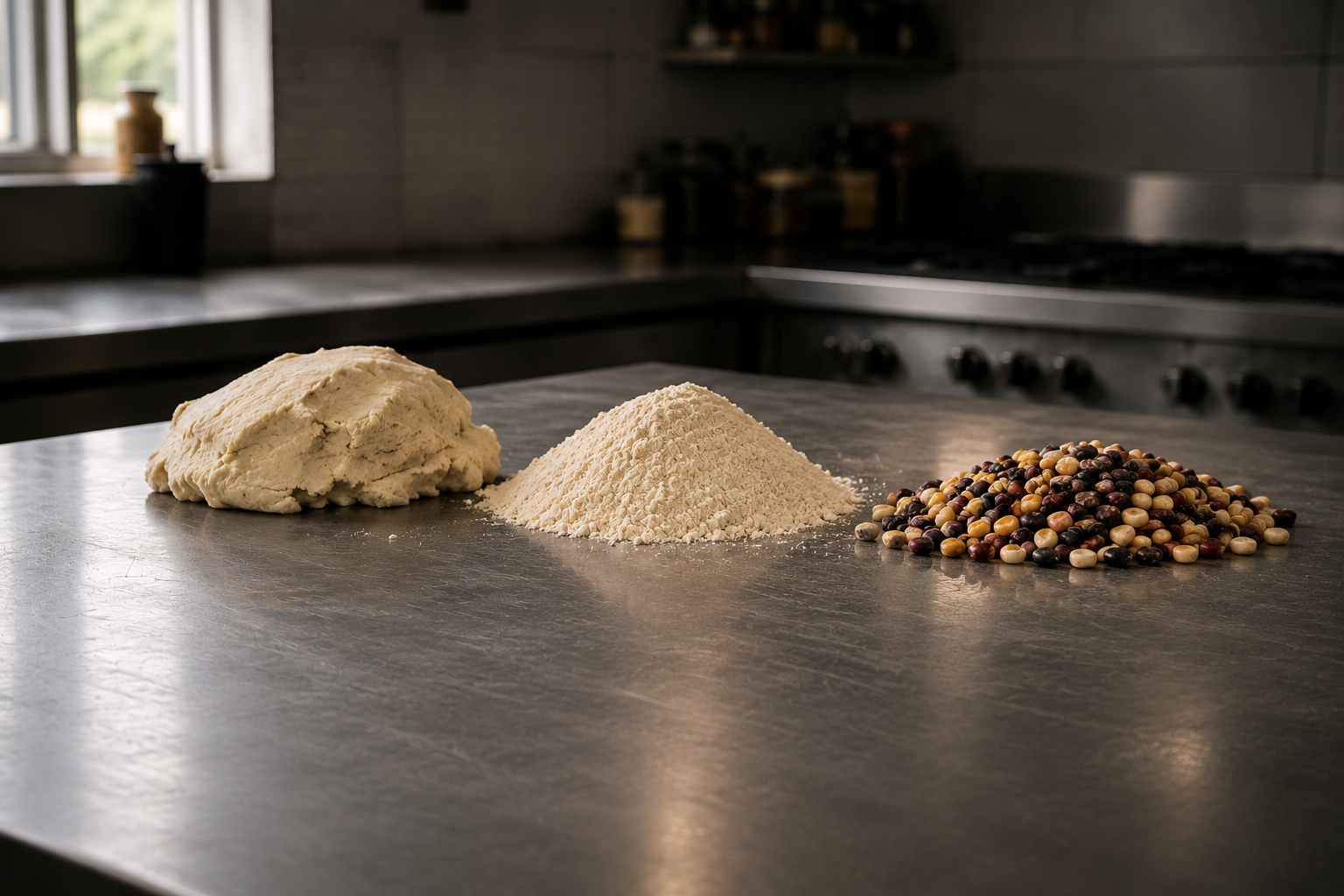
Corn is often imagined as something we hold: a tortilla, a tamal, an arepa, a cob, a toasted kernel. But across the world, maize also becomes something we drink.
This is one of the most fascinating aspects of corn as a culinary material. It can become warm and nourishing, cold and refreshing, thick and comforting, lightly fermented, ceremonial, or distilled into spirits. The same ingredient that gives structure to masa also gives body to atoles, color to chicha morada, depth to fermented drinks, and a grain foundation to whiskies and other spirits.
In Latin America, maize-based drinks are not marginal. They are part of daily life, regional memory, and ritual practice. In Mexico, Guatemala, El Salvador, Peru, Panama, the Caribbean, and beyond, corn appears in drinks that warm the body, refresh the palate, mark celebration, or accompany food. Outside Latin America, corn also appears in teas, grain infusions, beers, whiskies, vodkas, and contemporary mixology.
This article is not an exhaustive map. It is a point of departure: a way to notice how a humble ingredient enters the glass, and how drinking corn reveals another dimension of its power.
What Maize-Based Drinks Are — Grain, Dough, Color, Ferment
Maize-based drinks can be made from different forms of corn:
fresh corn
dried corn
toasted corn
nixtamalized corn
masa
purple corn
germinated corn
corn silk
cornmeal
fermented corn
distilled corn mash
Each form gives a different result. Masa can create thickness. Purple corn gives color and tannic fruitiness. Toasted corn brings aroma. Germinated corn supports fermentation. Corn silk creates a delicate herbal infusion. Distilled corn becomes spirit, carrying sweetness, grain, and warmth.
The important thing is this: corn does not stop being corn when it becomes liquid. It simply changes state.
Why Corn Drinks Matter — Sustenance, Ritual, and Creativity
Corn drinks matter because they sit between food and beverage. Many of them nourish as much as they refresh. Some are taken in the morning, some at festivals, some with meals, some in ceremonial contexts.
They can function as:
breakfast nourishment, as in atoles
refreshment, as in chicha morada
fermentation, as in chicha de jora and tejuino
ceremonial drink, in Indigenous and regional traditions
culinary ingredient, used in sauces, marinades, and stews
spirit base, in bourbon, corn whiskey, and other distillates
contemporary mixology material, through syrups, reductions, and infusions
Corn drinks remind us that culinary creativity is not only about the plate. It is also about the cup, the jar, the gourd, the pitcher, and the shared table.
Maize-Based Drinks Heritage
Atole — Warm Masa, Body, and Comfort
Atole is one of the clearest examples of corn becoming liquid nourishment. Common across Mexico, Guatemala, and parts of Central America, it is often made from masa or corn flour cooked with water or milk until thickened.
It can be plain, sweet, spiced, fruit-based, chocolate-based, or flavored with regional ingredients. In colder mountain regions, atoles often serve as breakfast, comfort, and warmth. They are not simply drinks; they are liquid food.
Culinary role: warmth, body, nourishment
Materia logic: masa becomes structure in liquid form
Future article link: masa-based drinks and atoles
Chicha Morada — Purple Corn as Color and Refreshment
Chicha morada, associated especially with Peru, is made from purple corn and usually served as a non-alcoholic refreshing drink. Its deep color, fruit additions, spices, and acidity make it one of the most visually striking maize drinks.
It shows how corn can function through color and aroma, not only starch. Purple corn brings pigment, earthiness, and a certain dry fruit quality that pairs well with citrus, pineapple, cinnamon, and clove.
Culinary role: refreshment, color, acidity
Materia logic: corn as pigment and aromatic base
Creative expansion: purple corn syrup for sodas, desserts, and cocktail-inspired non-alcoholic drinks
Chicha de Jora — Fermented Corn and Andean Memory
Chicha de jora is a traditional Andean fermented maize drink. It is commonly associated with Peru, Bolivia, and Ecuador, and is made from jora, or malted corn. Traditional forms are linked to pre-Hispanic practice and remain important in regional food culture. Studies describe chicha de jora as a fermented maize beverage with low alcohol content, often made from local maize varieties and maintained through traditional processes.
Chicha de jora can be consumed as a drink, but it also appears in cooking, especially in marinades, stews, and braises where its acidity and fermented character contribute depth.
Culinary role: fermentation, ritual, cooking medium
Materia logic: germinated corn becomes ferment
Creative expansion: acidity source in sauces and braises
Tejuino — Fermented Maize Refreshment
Tejuino, associated with western Mexico, is another expression of fermented maize as refreshment. It is often served cold, sometimes with lime, salt, or other additions depending on the region.
Its importance lies in how it connects fermentation with street refreshment. It sits between food, drink, and tradition, showing how maize can become lightly tangy, cooling, and deeply local.
Culinary role: refreshment, fermentation, street drink
Materia logic: maize as sour, cooling, lightly fermented body
Creative expansion: inspiration for sour maize-based syrups and chilled drinks
Pozol and Pinol — Corn as Sustenance
In parts of Mexico and Central America, corn-based drinks such as pozol and pinol show corn as portable nourishment. Some are made from ground corn, sometimes cacao, spices, or other additions.
These drinks often blur the line between beverage and meal. They can be energizing, sustaining, and deeply tied to regional identity.
Culinary role: sustenance, daily nourishment
Materia logic: ground corn as drinkable meal
Creative expansion: grain-based breakfast drinks, cacao-corn blends, spiced corn infusions
Chicheme — Sweet Corn Drink of Panama
Chicheme is a Panamanian corn drink often made with cooked corn, milk, cinnamon, and sweetness. It reveals another direction for corn drinks: creamy, comforting, and almost dessert-like.
Rather than emphasizing fermentation or acidity, chicheme highlights softness, spice, and texture.
Culinary role: comfort, sweetness, body
Materia logic: cooked corn as creamy drink structure
Creative expansion: corn milk, cinnamon, vanilla, coconut, and oat-based variations
Corn Tea and Corn Silk Tea — Asian Grain Infusions
In Korea and other parts of East Asia, corn is also used in tea-like infusions. Korean oksusu-cha is made with roasted corn kernels, while corn silk tea is made from the silk of the corn plant. These caffeine-free infusions are commonly consumed hot or cold, and corn tea is especially associated with Korean household drinking traditions.
This opens another way of thinking: corn does not always need to thicken or ferment. It can also infuse, bringing roasted sweetness and gentle grain aroma into water.
Culinary role: infusion, daily drinking, warmth
Materia logic: roasted grain and corn silk as tea material
Creative expansion: corn tea with citrus peel, toasted rice, ginger, or herbs
Corn-based DRINKS and Contemporary Mixology
Modern drink-making increasingly uses corn in subtle ways: corn milk, corn syrup, purple corn reductions, roasted corn infusions, corn husk smoke, corn silk tea, corn liqueurs, and sweet corn purées.
The goal is not to make everything taste obviously of corn. Often, corn brings body, sweetness, aroma, or nostalgia. In a non-alcoholic context, it can support sodas, coolers, teas, and creamy drinks. In culinary mixology, it can pair with citrus, cacao, cinnamon, vanilla, pineapple, coffee, chile, herbs, and smoke.
Creative directions:
purple corn syrup with lime and soda
roasted corn tea with orange peel
sweet corn milk with cinnamon and vanilla
corn silk infusion with lemon verbena
cacao-corn cooler
pineapple and purple corn agua fresca
toasted corn horchata-style drink
corn husk smoked citrus spritz, non-alcoholic or cocktail-inspired
Corn-Based Spirits — From Grain to Distillate
Corn also plays a major role in distilled spirits. Bourbon, for example, must be made from a mash bill containing at least 51% corn under U.S. federal standards. Corn whiskey and other corn-based distillates also show how maize can move from grain to fermentation to distillation.
In this context, corn contributes sweetness, grain character, and body. It may not always taste like fresh corn, but it remains the foundation of the spirit’s identity.
Culinary role: spirit base, grain sweetness, body
Materia logic: corn as fermentable starch
Creative expansion: understanding corn spirits as part of the larger maize universe
Creative Expansion — Experimenting With Maize
Corn drinks offer a powerful field for creative cooking and beverage development.
Try:
purple corn syrup for sparkling drinks, desserts, or glazes
corn silk tea with citrus peel and herbs
atole with cardamom, coconut, or ginger
roasted corn infusion for broths or savory teas
chicha morada reduction for sauces and marinades
corn milk for desserts, porridges, or creamy drinks
toasted corn horchata with cinnamon and sesame
sweet corn and pineapple agua fresca
corn-based non-alcoholic aperitif with lime, chile, and salt
These ideas do not replace traditional drinks. They extend from them, using corn as a material for texture, aroma, color, acidity, and memory.
Closing Reflection
When corn enters the glass, it reveals another side of itself. It can nourish like food, refresh like water, ferment like grain, color like fruit, and distill into spirit. It can be humble and ceremonial, domestic and experimental, ancient and contemporary.
To study maize-based drinks is to remember that ingredients do not belong to only one category. Corn is not only a tortilla, a tamal, or a cob. It is also warmth in the morning, purple refreshment in the afternoon, fermentation at a gathering, and grain sweetness in a spirit. Corn does not only feed the table. It fills the glass.