Soy Sauce — 23 Departure Points for Sweet Preparations and Umami Depth
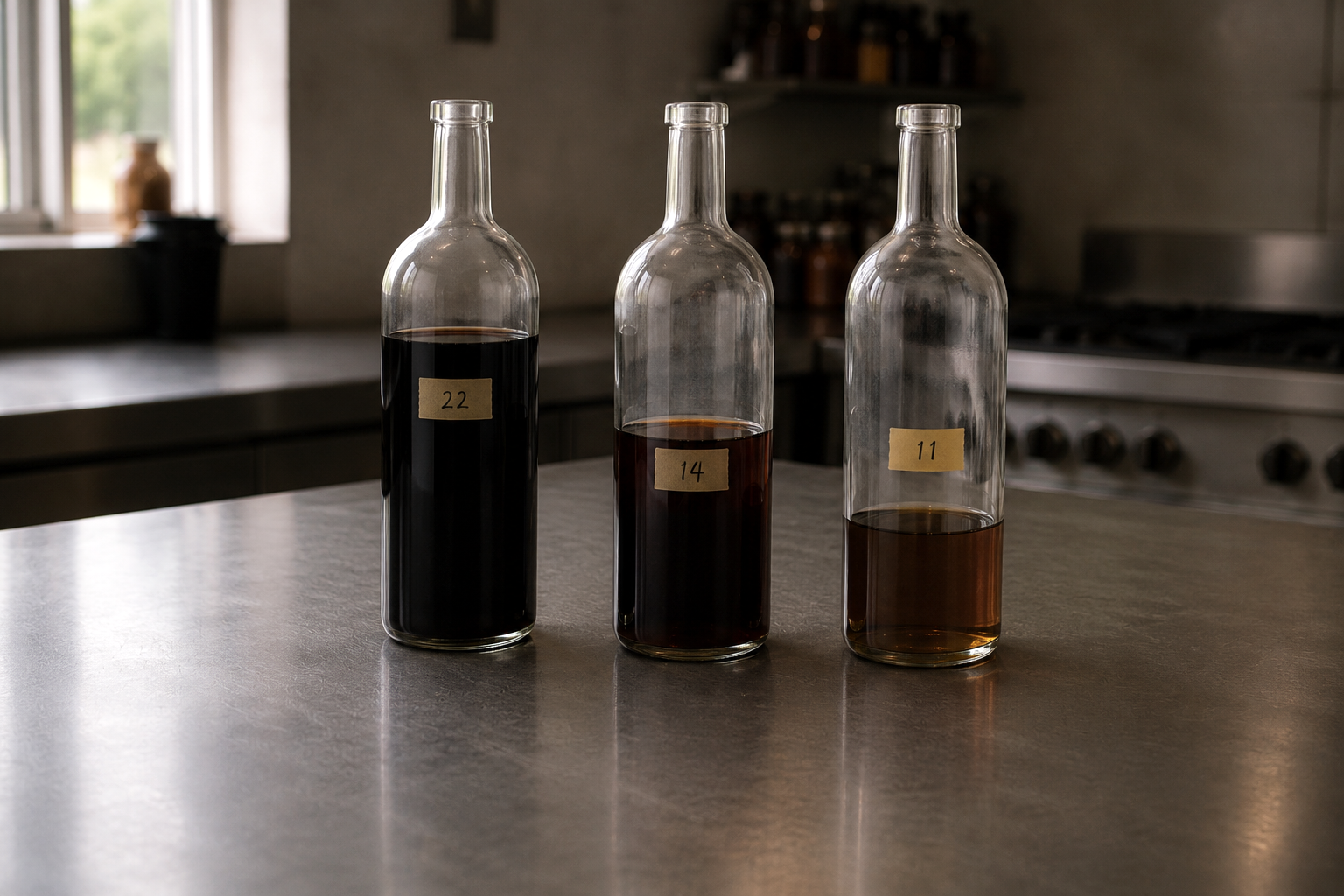
Soy sauce is usually understood as a savory ingredient, but its power in sweet preparations is remarkable. Used with restraint, it does not make desserts taste like soy sauce. Instead, it behaves like a deeper form of salt: amplifying sweetness, darkening caramel notes, balancing fat, and giving chocolate, dairy, fruit, and syrups a more complex finish.
This is where soy sauce becomes especially interesting for creative cooking. It can move through caramel, cream, chocolate, pastry, fruit, and frozen desserts without losing its identity. Its salinity sharpens sweetness, while its fermentation adds a subtle savory depth that ordinary salt cannot provide.
This article gathers 23 established uses of soy sauce in sweet preparations, organized into clusters so we can see how it functions across sauces, desserts, baked goods, snacks, and drinks.
Departure Points is a Materia series built around creative exploration. Each article gathers 23 known or traditionally used applications of an ingredient, technique, region, or culinary material, then organizes them into clusters so cooks can see patterns, possibilities, and relationships. Each point of departure is a catapult for further inquiry: a reference, a context, and a question to carry back into the kitchen. What does this material do? How has it been used before? What changes when we alter the medium, the technique, the temperature, or the cultural context? From there, the work begins.
Cluster I: Soy Sauce in Caramels, Syrups, and Glazes
Soy sauce works naturally in caramel and syrup systems because it balances sugar while adding fermentation depth. It gives sweetness a darker edge, especially when paired with butter, cream, maple, honey, brown sugar, or fruit.
1. Soy Caramel Sauce
Caramelized sugar can be deglazed with cream, butter, and a small amount of soy sauce. The soy sauce replaces part of the salt while adding umami and roasted depth. Use over ice cream, cakes, roasted fruit, or pancakes.
2. Soy Sauce in Maple Syrup Glaze
Soy sauce can be added to maple syrup for a sweet-salty glaze. It works beautifully over roasted fruit, pancakes, waffles, squash, or even desserts with nuts and cream.
3. Japanese Mitarashi Dango
Mitarashi dango are skewered mochi balls coated in a sweet soy glaze. This is one of the clearest examples of soy sauce functioning in a dessert context, where sweetness, starch, and salinity meet in balance.
4. Soy-Infused Dulce de Leche
A small amount of soy sauce can deepen dulce de leche, giving it a salted caramel quality with added umami. This is a strong fusion point between Latin American milk caramel and East Asian fermentation.
5. Soy-Sweetened Balsamic Reduction
Soy sauce can be added to balsamic reduction to deepen sweetness and acidity. Serve over strawberries, figs, roasted pears, panna cotta, or cheese-based desserts.
6. Soy-Maple Glaze on Roasted Pears
Soy sauce, maple syrup, clove, and star anise can be brushed over pears before roasting. The soy sauce prevents the glaze from becoming flat or overly sweet.
7. Soy and Ginger Syrup on Pancakes
Soy sauce can be folded into a ginger syrup for pancakes, waffles, crêpes, or rice cakes. The result is lightly salted, aromatic, and warm without becoming heavy.
Cluster II: Soy Sauce with Chocolate, Cream, and Dairy
Soy sauce pairs well with chocolate and dairy because it brings salt and umami into fat-rich systems. In this role, it does not dominate; it amplifies.
8. Soy Sauce in Chocolate Ganache
Soy sauce can replace or complement salt in chocolate ganache. It intensifies richness in truffles, cakes, frostings, and tart fillings, especially with dark chocolate.
9. Dark Chocolate Soy Brownies
A small amount of soy sauce in brownie batter can deepen chocolate flavor, increase complexity, and help balance sugar. It works especially well with black sesame, coffee, miso, or nuts.
10. Soy Sauce Chocolate Bark
Soy sauce can be lightly incorporated into melted chocolate or paired with soy-seasoned nuts before setting into bark. Add sesame seeds, dried fruit, almonds, or cacao nibs for texture.
11. Soy Sauce Ice Cream
Soy sauce can be used in vanilla, caramel, black sesame, or miso-based ice cream. It adds salinity and umami depth, helping the frozen dessert taste rounder and more layered.
12. Soy-Laced Whipped Cream
A single drop or very small amount of soy sauce can subtly season whipped cream, especially when paired with caramel desserts, chocolate, roasted fruit, or rice pudding. The goal is background depth, not obvious soy flavor.
Cluster III: Soy Sauce in Baked Goods and Pastry
In baking, soy sauce functions as both seasoning and flavor enhancer. It can deepen sweetness, support browning, and add complexity to batters, doughs, and crumbles.
13. Soy Sauce in Banana Bread
A tablespoon of soy sauce in banana bread batter can deepen the flavor of ripe banana, brown sugar, and nuts. It behaves like a more complex salt note.
14. Black Sesame Soy Shortbread
Soy sauce can season shortbread dough, especially when paired with black sesame. The result is buttery, nutty, and subtly savory, with more depth than a standard salted biscuit.
15. Toasted Soy-Sugar Crumble
Soy sauce can be used in a crumble mixture with sugar, flour, butter, oats, or nuts. Once toasted, it creates a sweet-savory topping for yogurt, fruit, custards, or ice cream.
16. Soy-Sweet Glaze on Donuts
Soy sauce can be added to a sweet glaze for donuts, especially when paired with black sugar, ginger, maple, or sesame. It gives the glaze a savory edge without overwhelming the pastry.
Cluster IV: Soy Sauce in Snacks, Confections, and Toppings
Soy sauce is powerful in small-format sweets because it creates contrast. It can make snacks more addictive by balancing sugar with salt and fermentation.
17. Honey-Soy Roasted Nuts
Nuts can be glazed with honey, soy sauce, sesame, and chili, then roasted until crisp. This creates a sweet-savory snack that also works as a topping for desserts, salads, or grain bowls.
18. Soy Sauce Caramel Popcorn
Soy sauce can be added to caramel popcorn for a darker, more complex sweetness. It works especially well with sesame seeds, peanuts, or a little chili.
19. Soy Sauce Marshmallows
Soy sauce can be added in very small amounts to marshmallow mixtures or used in a glaze. It enhances toasted notes and gives sweetness a more rounded finish.
20. Soy Sauce in Date Paste
Soy sauce can be added to date paste for energy balls, stuffed dates, or dessert spreads. It balances the dense sweetness of dates and adds a lightly fermented tang.
21. Candied Bacon with Soy
Soy sauce can be part of a candied bacon glaze with brown sugar or maple. This is often used on waffles, ice cream, cakes, or brunch desserts. It shows how soy sauce can intensify both meat and sweetness.
Cluster V: Soy Sauce in Drinks, Puddings, and Soft Desserts
Soy sauce can also appear in softer sweet preparations, where its role is subtle. In these cases, it behaves as a hidden seasoning, bringing balance to milk, spice, starch, or cream.
22. Soy Syrup on Rice Pudding
Soy sauce can be added to a syrup served over rice pudding, especially coconut milk-based versions. It brings contrast to the creaminess and connects beautifully with sesame, mango, ginger, or caramel.
23. Soy Sauce in Chai Syrup
Soy sauce can deepen chai syrup for warm milk, cocktails, or desserts. Its salinity supports cardamom, cinnamon, clove, ginger, and black tea, giving the syrup more structure.
What Soy Sauce Teaches the Cook
Soy sauce teaches us that salt is not only salinity. In sweet preparations, it acts as seasoning, flavor enhancer, fermentation marker, and structural contrast. It shows that sweetness becomes more expressive when it has something to push against.
Across these 23 departure points, soy sauce appears in several roles:
as a replacement for salt
as a caramel enhancer
as a chocolate amplifier
as a seasoning for baked goods
as a glaze for fruit, nuts, and snacks
as a subtle background note in cream, syrup, and pudding
The creative lesson is clear: soy sauce does not need to dominate a dessert to transform it. Used with restraint, it brings sweetness into sharper focus.
Creative Exploration Prompt
Choose one sweet base: caramel, chocolate, fruit, cream, or syrup. Add soy sauce in tiny increments, tasting carefully after each addition. Notice when the sweetness becomes clearer, when the flavor deepens, and when the soy becomes too visible.
Document three things:
What did soy sauce amplify?
What did it balance?
At what point did it become too strong?
From there, adjust the rest of the formula: sweetness, fat, acidity, spice, and texture.