

MATERIA
The Grammar of the Kitchen
Materia culinaria is the study of what cooking is made of; not just ingredients, but the ideas and techniques that transform them. Every dish begins with raw material, but it is shaped by action: by heat, by movement, by time, by the instruments we choose to use. A flame can deepen sweetness, a blade can redefine texture, fermentation can unlock entirely new dimensions of flavor. In this way, ingredients, techniques and instruments are inseparable — they form a single, evolving vocabulary.
This section is our atlas of culinary grammar. A place to explore the archive on how flavor is built, how texture is engineered, and how technique gives intention to every decision in the kitchen. Materia invites you to look closer, think deeper, and cook ingredients with respect, knowledge and awareness.
Search by Category, Cuisine, Technique, Flavor, Ingredient, Texture, etc.
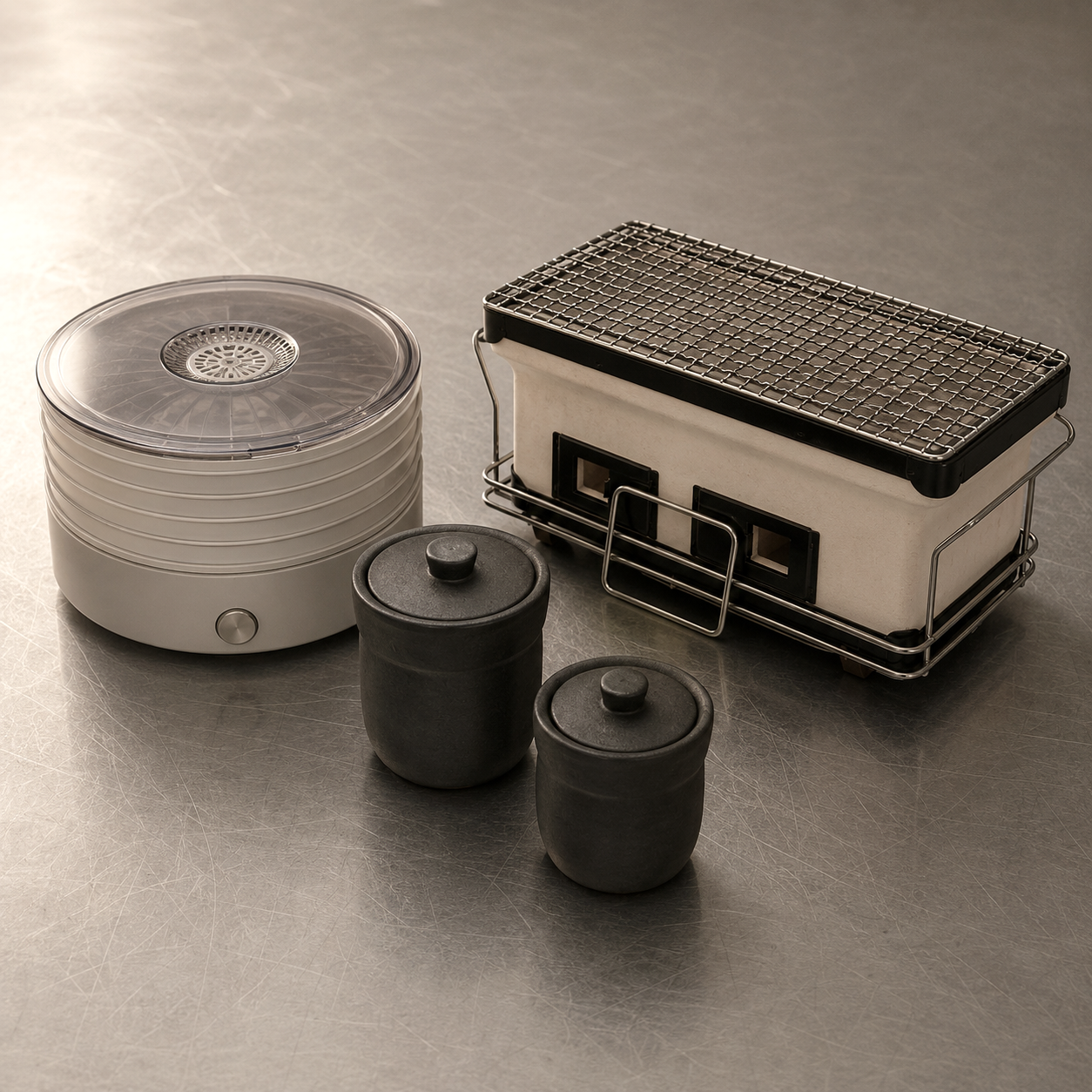
Global Culinary Techniques — 23 Departure Points for Heat, Texture, and Transformation
Transformation is the verb of cooking; technique its device. This Departure Points article gathers 23 global culinary methods that transform ingredients through fire, moisture, fat, acidity, drying, and structure.
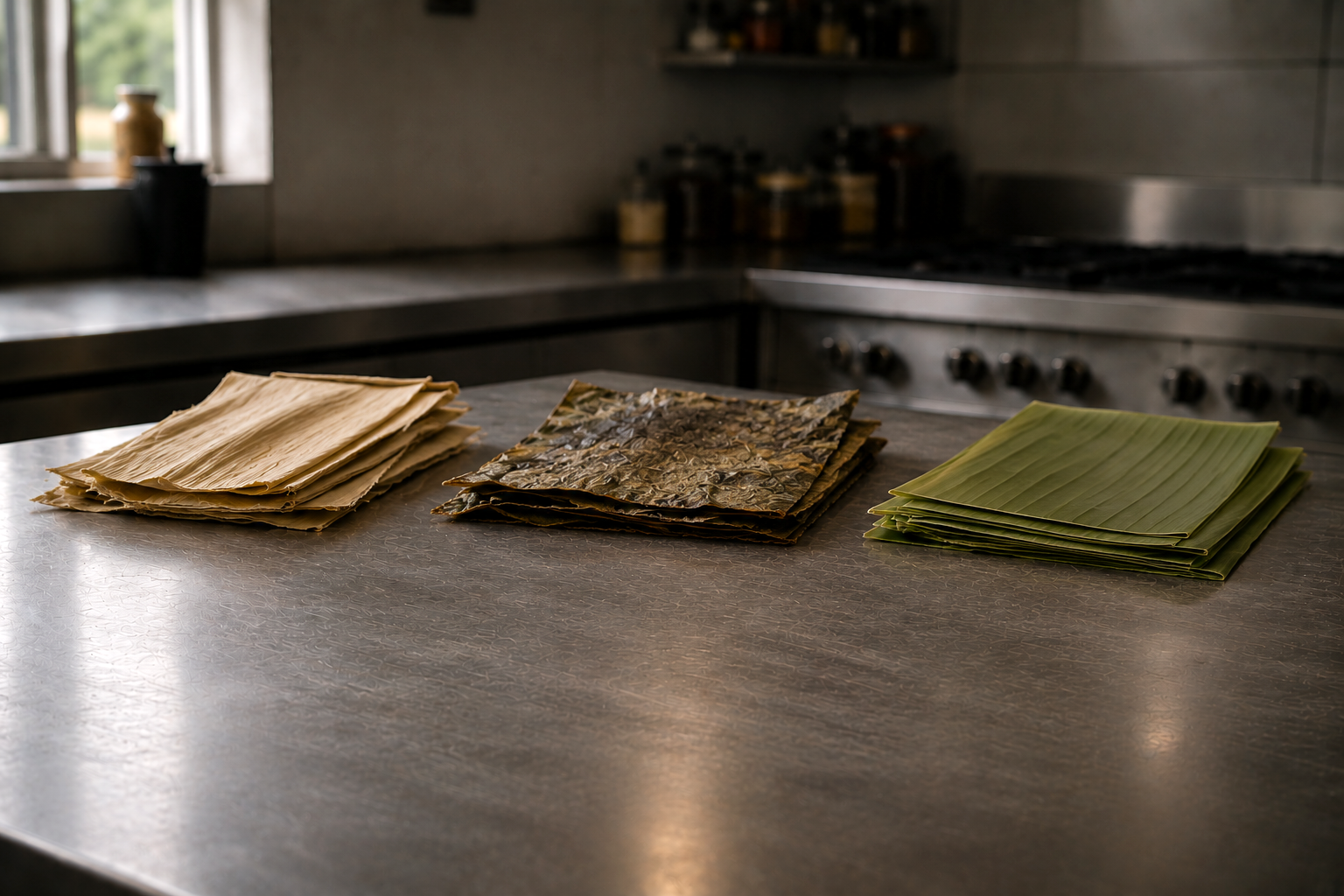
Leaves — 23 Departure Points for Wrapping, Infusion, and Aroma in The Kitchen
Leaves are among the oldest culinary materials. This Departure Points article explores 23 traditional uses of leaves for wrapping, steaming, infusion, aroma, and edible structure.
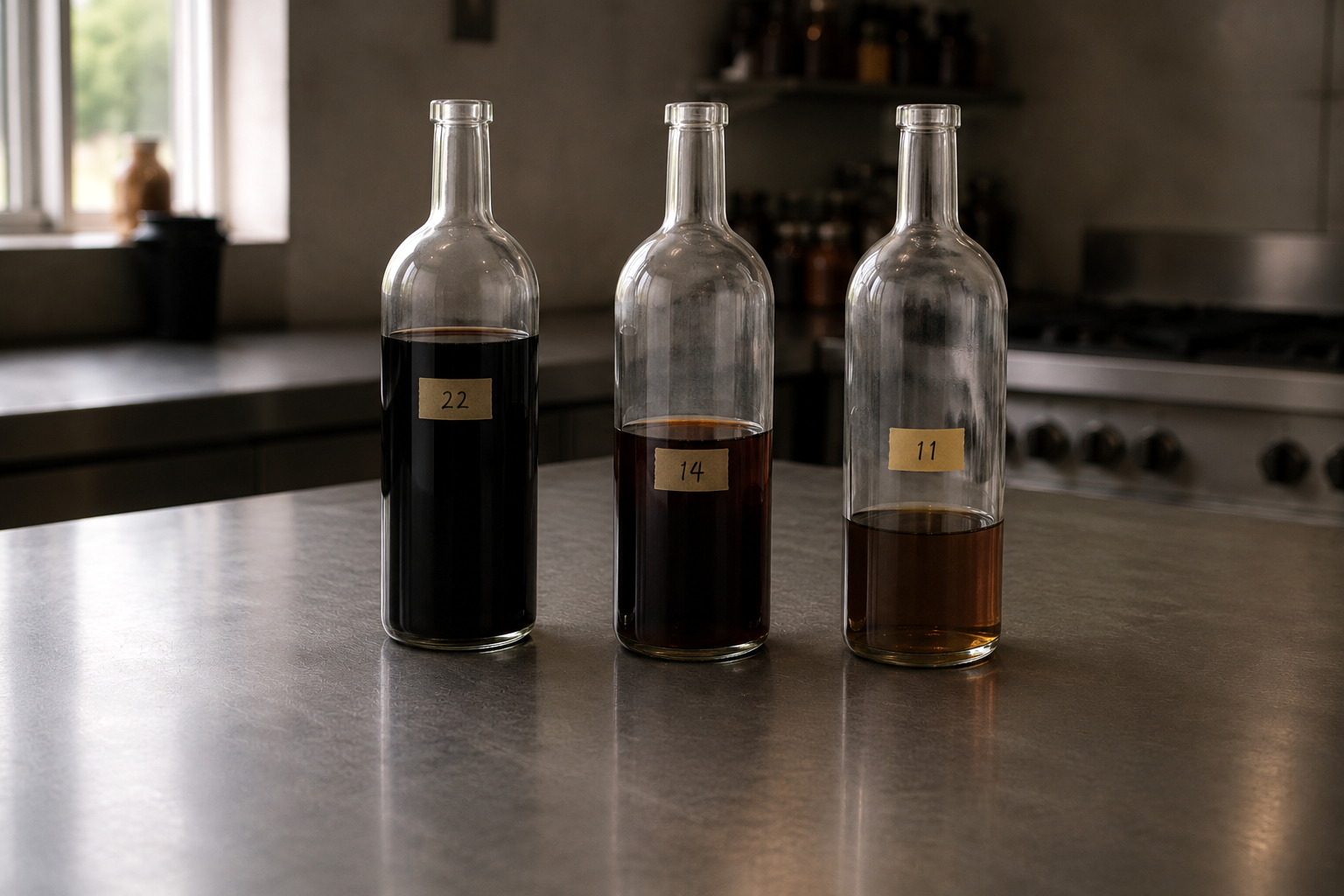
Soy Sauce — 23 Departure Points for Sweet Preparations and Umami Depth
Soy sauce is not only for savory dishes. In sweet preparations, it acts like a deeper form of salt, amplifying caramel, chocolate, fruit, cream, and syrups with umami and balance.
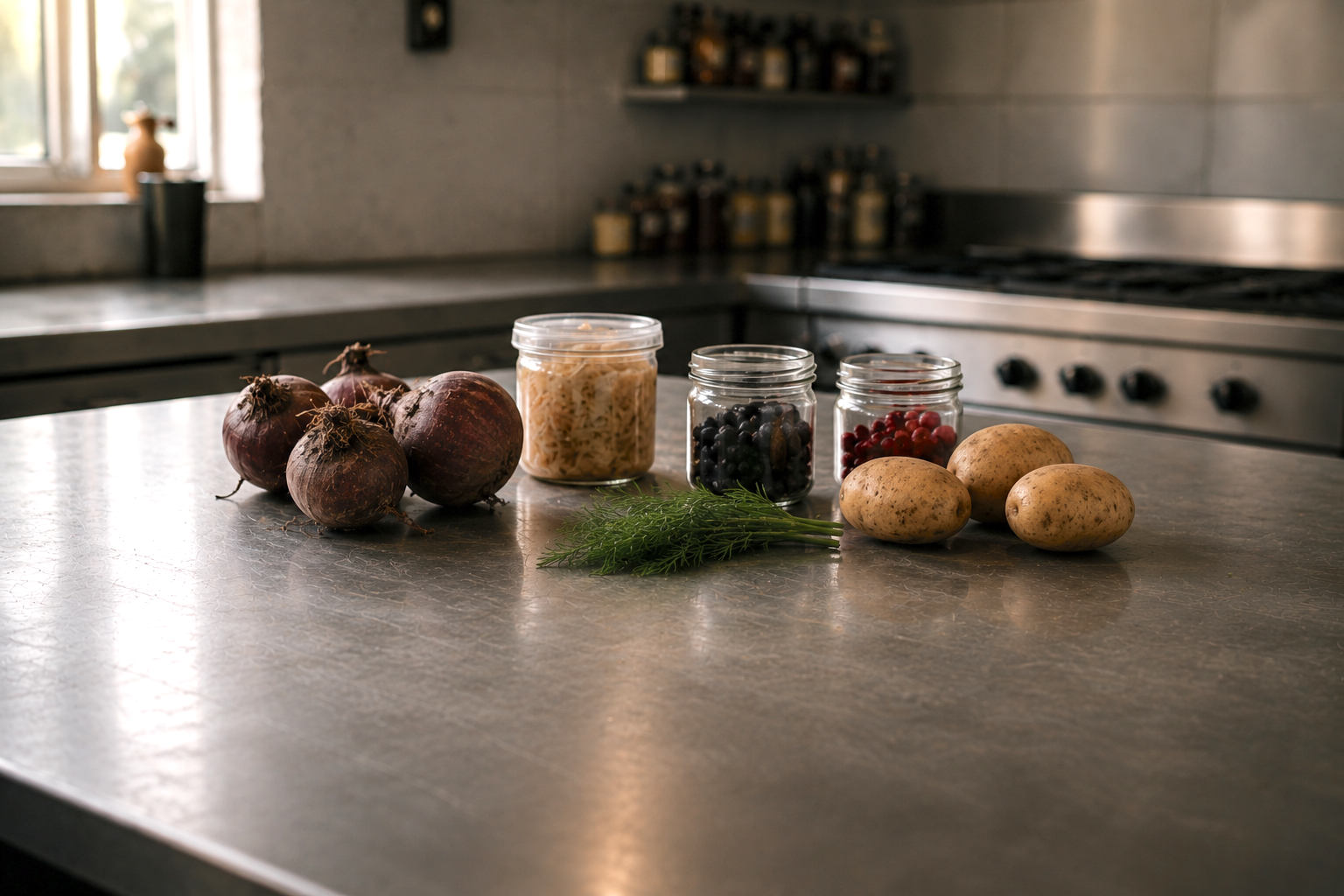
The Baltic Basin — 23 Departure Points for Smoke, Fermentation, and Cold-Climate Flavor
The Baltic Basin offers a cold-climate language of smoke, fermentation, rye, fish, berries, roots, herbs, and dairy. This Departure Points article gathers 23 ingredients for creative exploration.
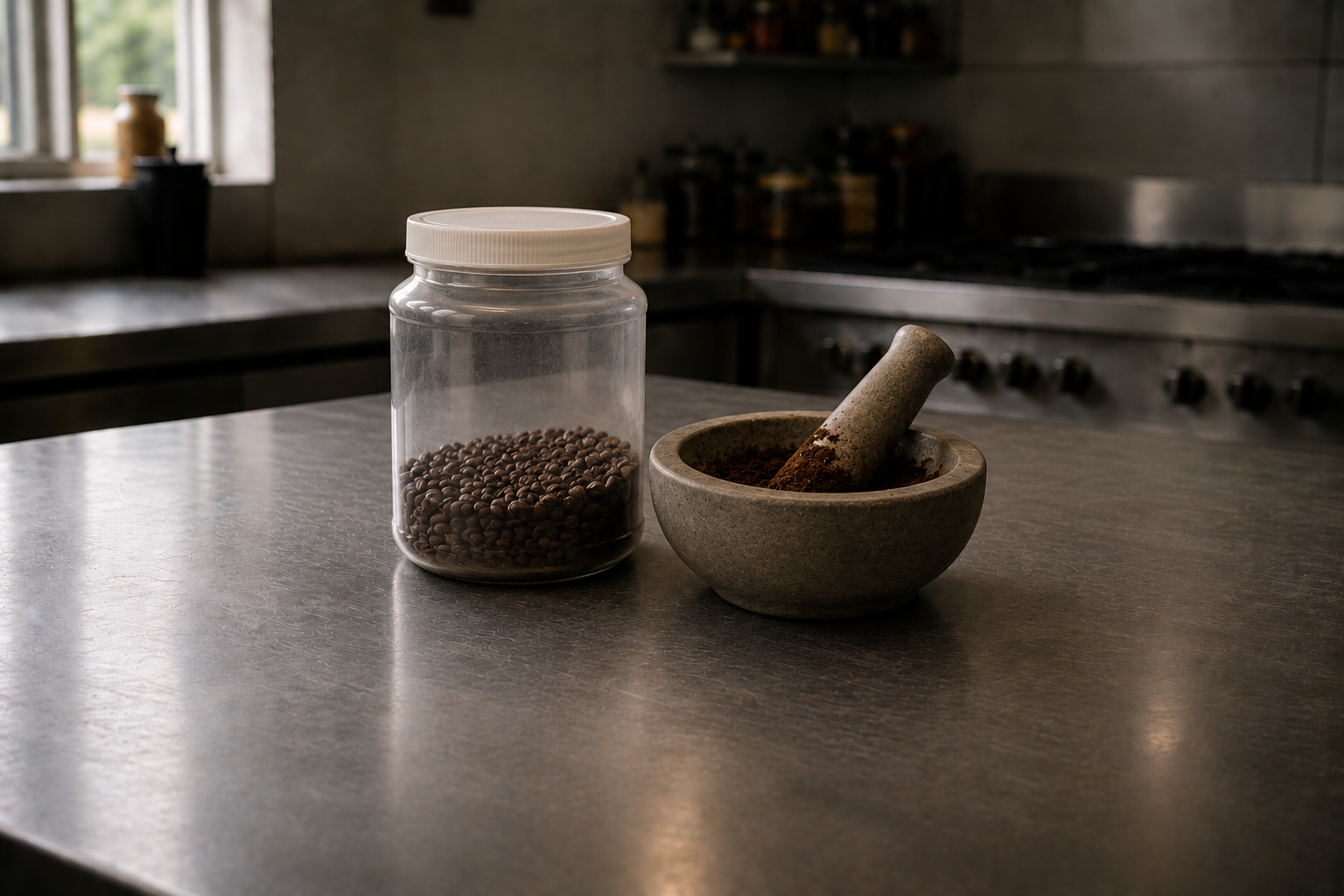
Coffee — 23 Departure Points for Bitterness, Aroma, and Savory Depth
Coffee is more than a beverage. In savory cooking, it can act as a rub, marinade, broth enhancer, glaze, bittering agent, and aromatic seasoning. This Departure Points article gathers 23 ways to use coffee for depth, roast, and complexity.
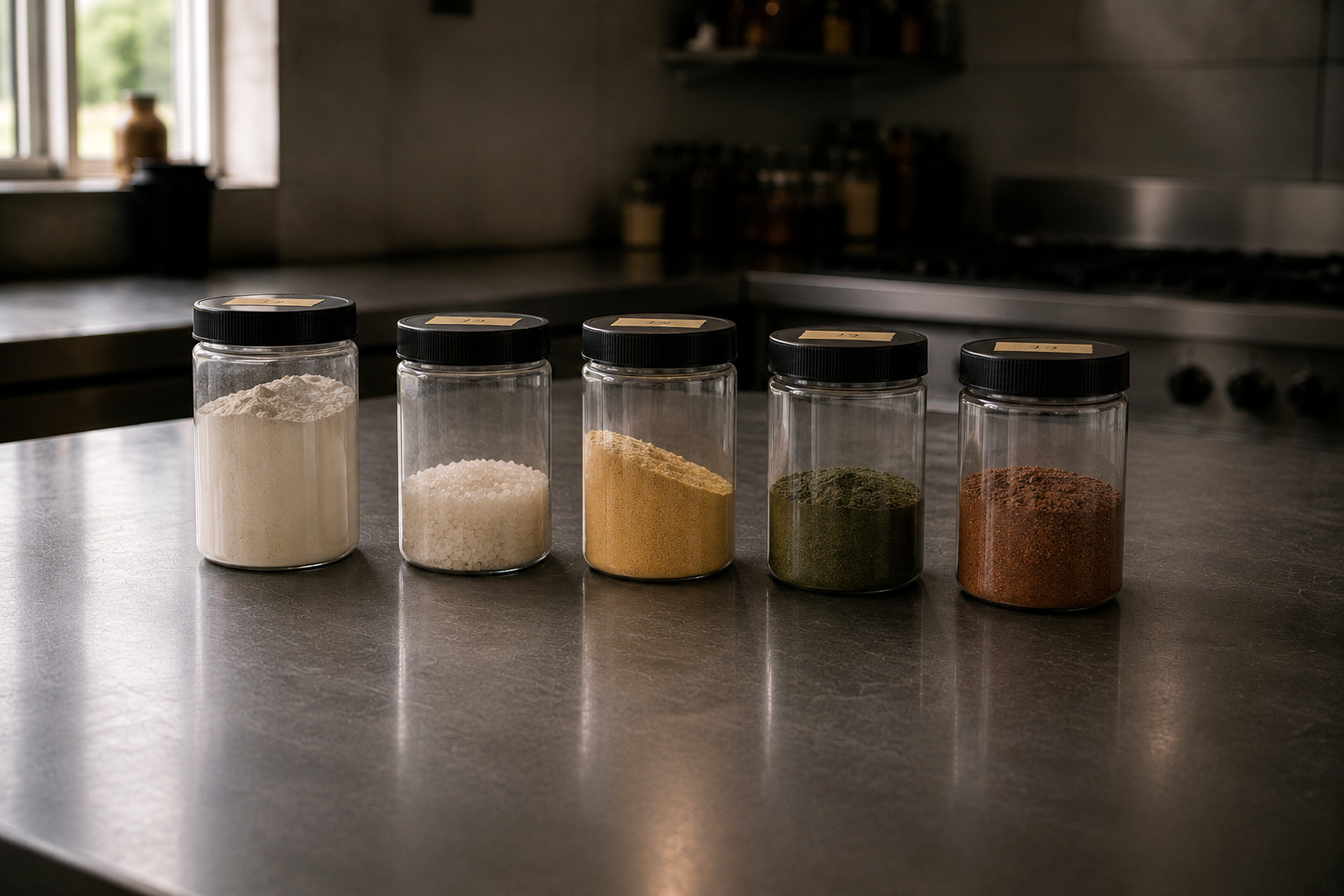
Molecular Cuisine Plant-Based Ingredients — 23 Departure Points for Creating Textures
Plant-based molecular cuisine ingredients shape texture, structure, color, aroma, and stability. This Departure Points article explores 23 materials that help cooks create gels, foams, emulsions, powders, and natural color.
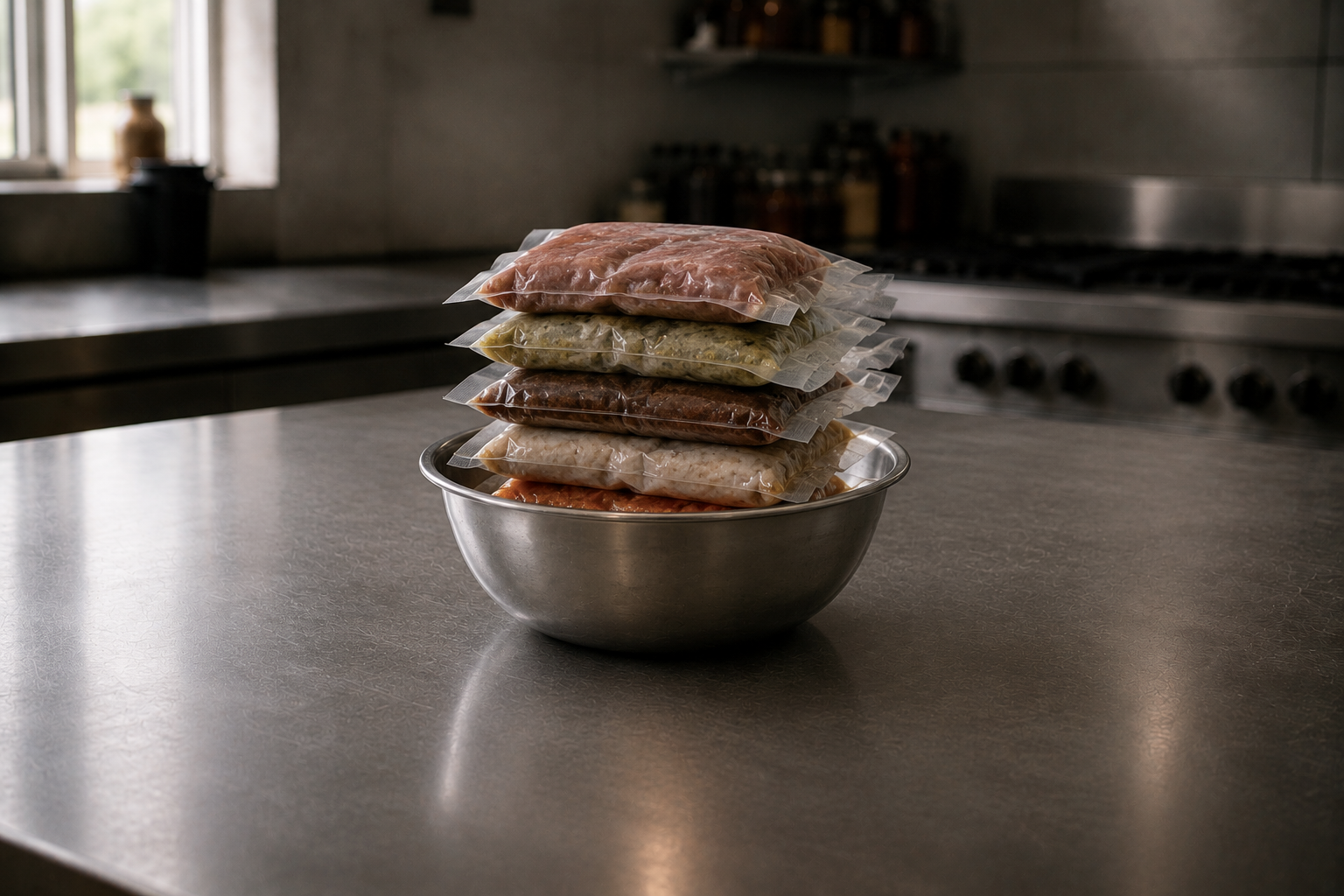
Molecular Cuisine Techniques — 23 Departure Points for Texture, Precision, and Transformation
Molecular cooking is not only a spectacle or a set of gimmicks. This Departure Points article explores 23 techniques that transform ingredients through texture, temperature, air, pressure, structure, and precision.
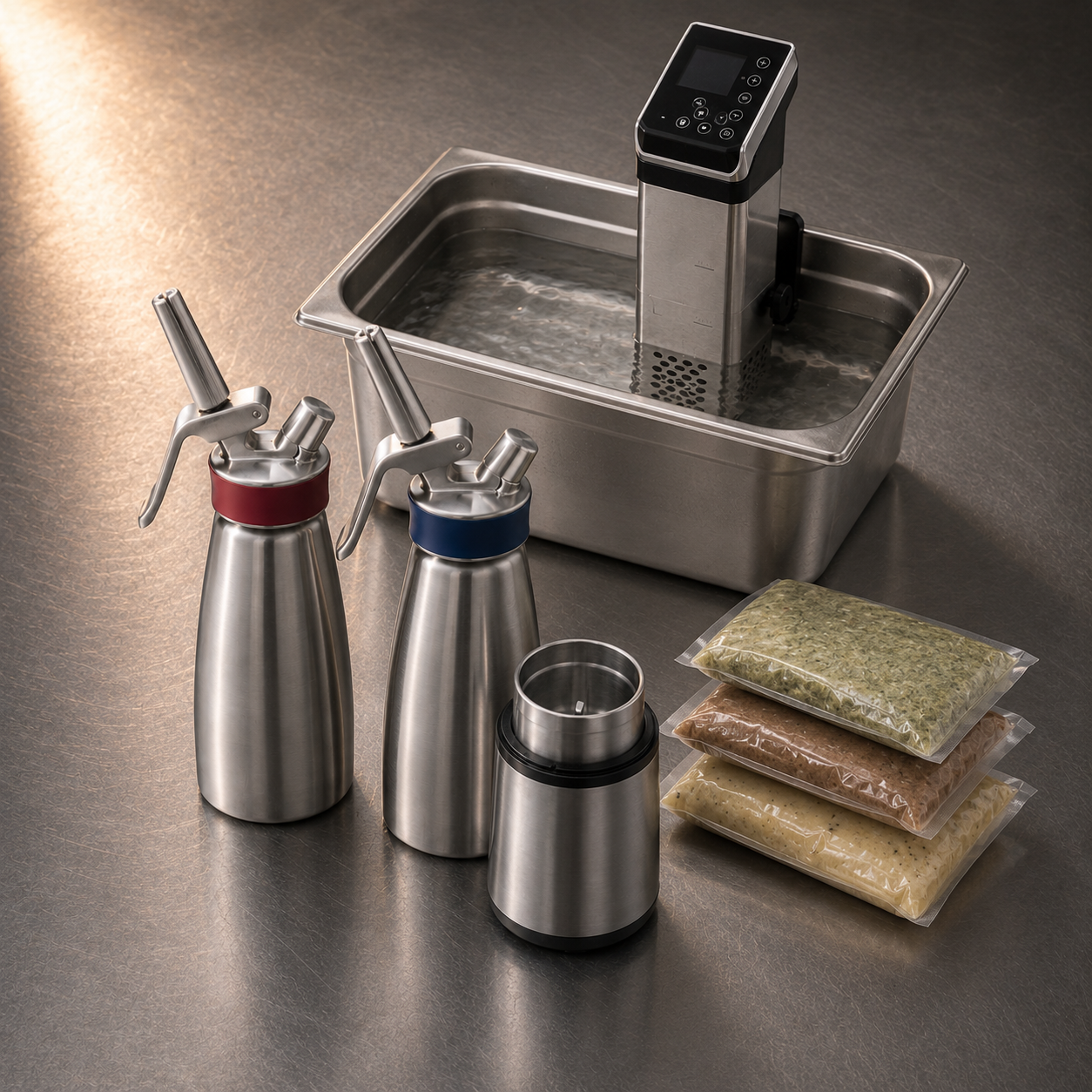
Molecular Cuisine Tools — 23 Departure Points for Precision, Texture, and Control
Molecular cuisine tools are instruments of control. This Departure Points article explores 23 tools that help cooks work with precision, texture, temperature, pressure, air, and form.