Coffee — 23 Departure Points for Bitterness, Aroma, and Savory Depth
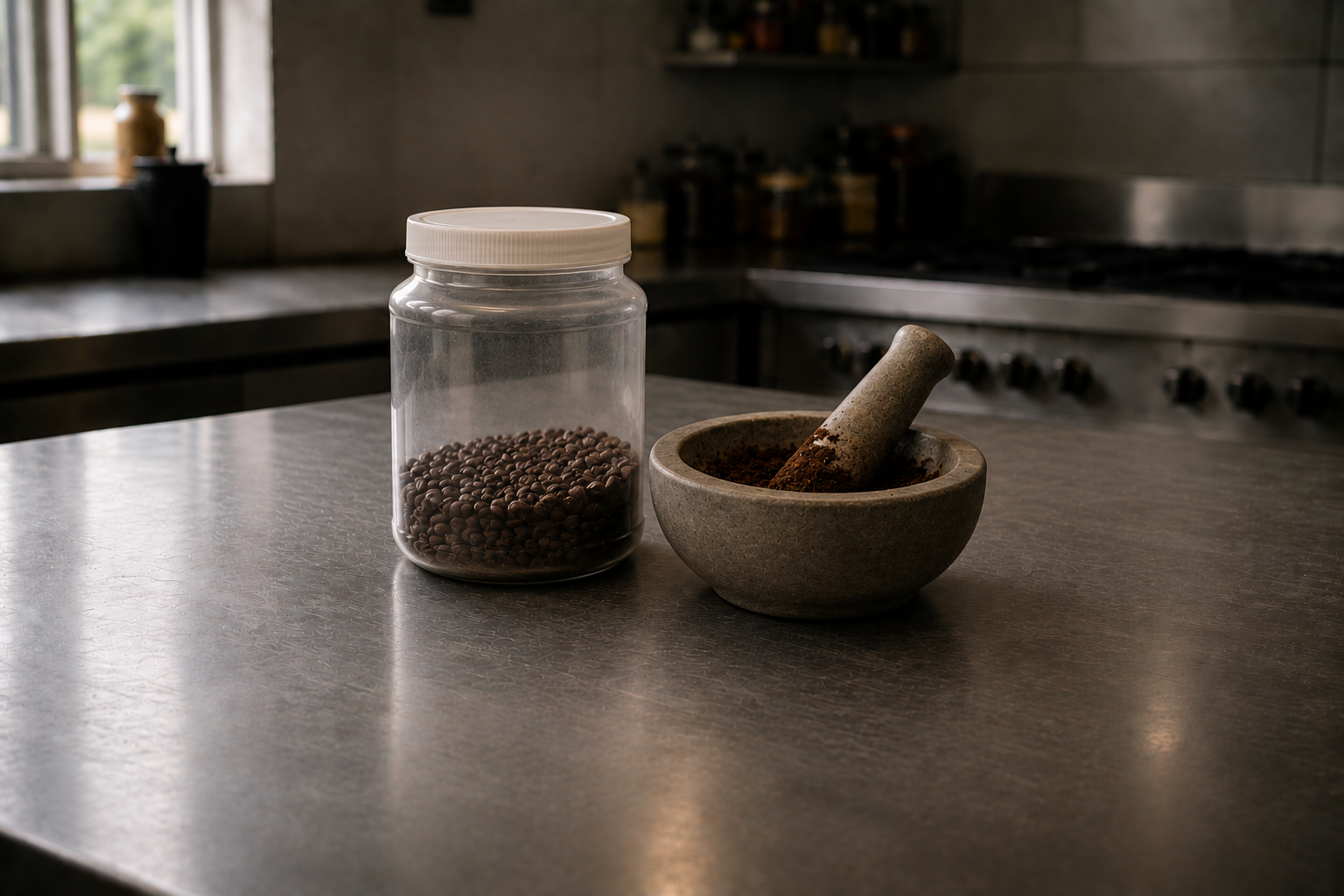
Coffee is usually treated as a beverage, but in the kitchen it behaves like much more than something to drink. It can act as a bittering agent, a roasted aromatic, a tenderizing marinade, a smoky seasoning, a dark glaze, or a bridge between sweet, savory, and earthy flavors.
In savory cooking, coffee works because it carries several qualities at once: bitterness, acidity, roast, aroma, and depth. It can sharpen rich meats, deepen stews, bring contrast to root vegetables, and support umami ingredients like soy sauce, anchovy, mushrooms, black garlic, and fermented pastes.
This article gathers 23 known or traditionally used savory applications of coffee, organized into clusters so we can better understand what coffee does in the kitchen and how it can become a point of departure for further exploration.
Departure Points is a Materia series built around creative exploration. Each article gathers 23 known or traditionally used applications of an ingredient, technique, region, or culinary material, then organizes them into clusters so cooks can see patterns, possibilities, and relationships. Each point of departure is a catapult for further inquiry: a reference, a context, and a question to carry back into the kitchen. What does this material do? How has it been used before? What changes when we alter the medium, the technique, the temperature, or the cultural context? From there, the work begins.
Cluster I: Coffee as Rub, Crust, and Dry Seasoning
Coffee works beautifully in dry applications because its roasted bitterness clings to surfaces and deepens during cooking. When combined with spices, sugar, salt, or seeds, it creates a dark aromatic layer that responds well to heat.
1. Coffee-Rubbed Steak
Coffee is often blended with cumin, chile, paprika, brown sugar, and salt to create a dry rub for steak. It adds bitterness, color, and roasted depth while helping form a dark crust during grilling or pan-searing.
2. Espresso-Spiced Lamb Kofta
Finely ground coffee can be added to spice blends for lamb kofta. Used carefully, it deepens cumin, coriander, cinnamon, and chile, giving the meat a darker, more aromatic base.
3. Coffee Dukkah
Coffee can be folded into a dukkah-style blend with nuts, sesame, cumin, coriander, and salt. The result is a savory sprinkle for roasted vegetables, flatbreads, yogurt sauces, or grilled meats.
4. Coffee-Smoked Salt
Coffee can be used to perfume salt, either by blending fine coffee powder with salt or by incorporating coffee into a smoking process. This creates a finishing salt for roasted vegetables, eggs, mushrooms, grilled proteins, or even chocolate-forward savory dishes.
Cluster II: Coffee as Marinade and Cure
Coffee can soften and deepen ingredients when used in marinades or cures. Its bitterness balances sweetness, while its acidity and roast notes help shape a more complex flavor profile.
5. Coffee-Marinated Pork Shoulder
Coffee can be added to a pork shoulder marinade with citrus, garlic, spices, and a little sweetness. It supports smoke, fat, and slow cooking, especially in barbecue-inspired preparations.
6. Beef Jerky with Coffee Marinade
Coffee works well in jerky marinades because it brings bitterness, aroma, and dark color. Combined with soy sauce, brown sugar, chile, and black pepper, it reinforces both savoriness and chew.
7. Coffee and Soy Sauce Marinade
Coffee and soy sauce create a strong foundation for grilled meats, mushrooms, tofu, or tempeh. Coffee adds roast and bitterness; soy sauce adds salt and umami. Together, they create a savory base that can be adjusted with honey, garlic, ginger, or citrus.
8. Coffee-Cured Salmon
Coffee can be mixed with salt, sugar, and black pepper for a gravlax-style cure. It brings a dark aromatic note that works especially well with citrus zest, dill, fennel seed, or juniper.
Cluster III: Coffee in Braises, Stews, and Broths
In liquid cooking, coffee acts as a background ingredient. It should not make the dish taste like a cup of coffee. Instead, it adds a low register: bitterness, roast, and depth.
9. Espresso-Braised Short Ribs
A small amount of espresso or strong brewed coffee can be added to the braising liquid for short ribs. It deepens the sauce and works well with red wine, stock, garlic, onion, and warm spices.
10. Coffee Chili
Coffee is often added to chili or bean stew to intensify the darker notes of chile, cumin, tomato, and roasted peppers. It works especially well in slow-cooked dishes with beans, beef, mushrooms, or smoked paprika.
11. Coffee-Infused Broth
A small amount of brewed coffee or espresso can be added to beef, mushroom, or vegetable broth. Used with restraint, it brings bitterness and roast without becoming dominant.
12. Coffee Lentil Stew
Coffee can deepen lentil stews, especially when paired with smoked paprika, roasted garlic, tomato, and olive oil. It gives the dish a darker, more grounded profile.
Cluster IV: Coffee in Sauces, Glazes, and Reductions
Coffee is powerful in sauces because it can concentrate without becoming flat. It works well with acidity, sweetness, fat, and umami.
13. Coffee BBQ Sauce
Coffee can become part of a barbecue sauce base with tomato, vinegar, molasses, chile, and spices. It adds bitterness, caramel depth, and a roasted backbone.
14. Espresso Balsamic Reduction
Espresso can be added to balsamic vinegar and reduced into a glaze. This works well with duck, lamb, roasted mushrooms, beets, or grilled eggplant.
15. Coffee and Anchovy Pasta Sauce
Anchovy and coffee can create an intense umami base when balanced carefully with olive oil, garlic, chile, and acidity. The anchovy brings salinity and depth; coffee adds roasted bitterness.
16. Coffee Black Garlic Glaze
Coffee and black garlic make a dark, sweet-savory glaze. It works over grilled eggplant, ribs, mushrooms, tofu, or roasted root vegetables.
17. Coffee-Tamari Reduction
Coffee and tamari can be reduced together into a concentrated glaze for tofu, tempeh, mushrooms, or grilled vegetables. Add ginger, citrus peel, or a little maple syrup depending on the direction of the dish.
Cluster V: Coffee with Vegetables, Grains, and Condiments
Coffee is not only for meats and dark sauces. It can also shape vegetables, grains, pickles, and pastes when used as a bitter aromatic accent.
18. Coffee-Roasted Beets
Beets can be tossed with coffee, spices, oil, and salt before roasting. Coffee reinforces their earthiness while adding bitterness and depth.
19. Coffee Risotto
Coffee can be used carefully in risotto, especially with mushrooms, venison, aged cheese, or roasted vegetables. It behaves like a bittersweet depth note rather than a dominant flavor.
20. Coffee-Infused Oil
Coffee can be infused into oil for drizzling over roasted root vegetables, grilled seafood, mushrooms, or bitter greens. The key is restraint: the oil should carry aroma, not harshness.
21. Coffee-Pickled Vegetables
Coffee can be introduced into pickling liquids for vegetables, especially in Nordic- or Japanese-influenced preparations. It adds bitterness and color, particularly when paired with vinegar, sugar, spices, and salt.
22. Coffee in Harissa
Coffee can be added to North African-style chile pastes for smoky bitterness and depth. It pairs well with roasted peppers, cumin, coriander, garlic, and olive oil.
23. Coffee in Mole
Coffee can appear in mole-inspired sauces as a companion or alternative to chocolate. It supports dried chiles, nuts, seeds, spices, and fruit, bringing bitterness and roasted complexity.
What Coffee Teaches the Cook
Coffee teaches us that bitterness is not a flaw. It is a structural tool. When used with intention, bitterness can sharpen sweetness, ground acidity, balance fat, and deepen umami.
Across these 23 departure points, coffee appears in several roles:
as a dry seasoning
as a marinade and cure
as a broth enhancer
as a glaze or reduction
as a bridge to smoke, chile, cacao, soy sauce, anchovy, mushrooms, and black garlic
The creative lesson is simple: coffee does not need to taste like coffee to matter. Sometimes its best work happens in the background, where it brings darkness, aroma, and depth to the dish.
Creative Exploration Prompt
Choose one cluster and test coffee in a small preparation. Use the same ingredient in three ways: as a dry seasoning, as a liquid infusion, and as part of a sauce. Document how the flavor changes depending on form, heat, and concentration.
Ask yourself:
What does coffee amplify?
What does it overpower?
Where does it create harmony?
Where does it need acidity, sweetness, fat, or salt to come into balance?
From there, the work begins.