

MATERIA
The Grammar of the Kitchen
Materia culinaria is the study of what cooking is made of; not just ingredients, but the ideas and techniques that transform them. Every dish begins with raw material, but it is shaped by action: by heat, by movement, by time, by the instruments we choose to use. A flame can deepen sweetness, a blade can redefine texture, fermentation can unlock entirely new dimensions of flavor. In this way, ingredients, techniques and instruments are inseparable — they form a single, evolving vocabulary.
This section is our atlas of culinary grammar. A place to explore the archive on how flavor is built, how texture is engineered, and how technique gives intention to every decision in the kitchen. Materia invites you to look closer, think deeper, and cook ingredients with respect, knowledge and awareness.
Search by Category, Cuisine, Technique, Flavor, Ingredient, Texture, etc.
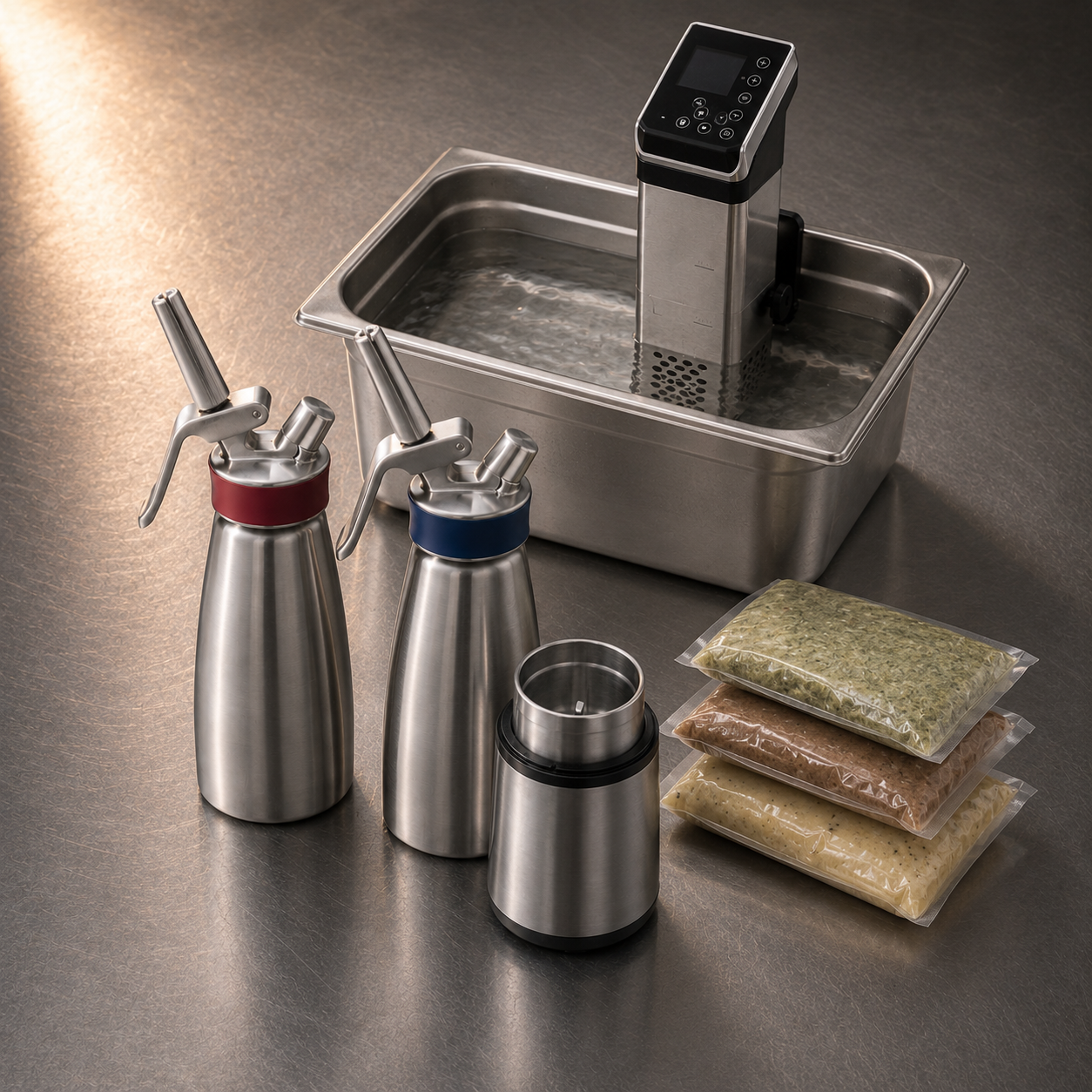
Molecular Cuisine Tools — 23 Departure Points for Precision, Texture, and Control
Molecular cuisine tools are instruments of control. This Departure Points article explores 23 tools that help cooks work with precision, texture, temperature, pressure, air, and form.
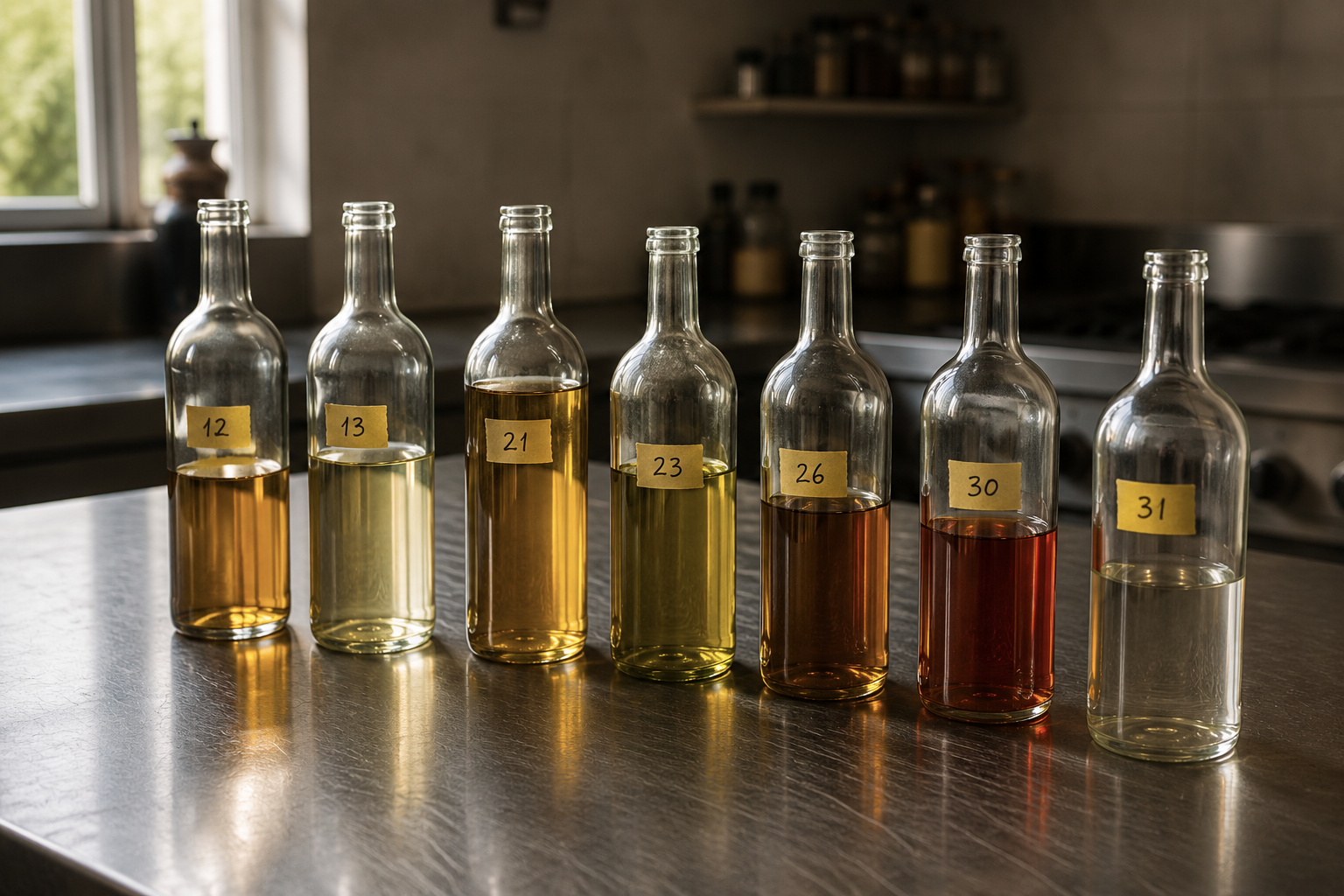
Oils — Flavor Carriers, Heat Mediums, and the Culinary Grammar of Fat
Oils are more than cooking fats. This Materia guide explores oils as flavor carriers, heat mediums, emulsifiers, preservatives, and active agents in culinary creativity.
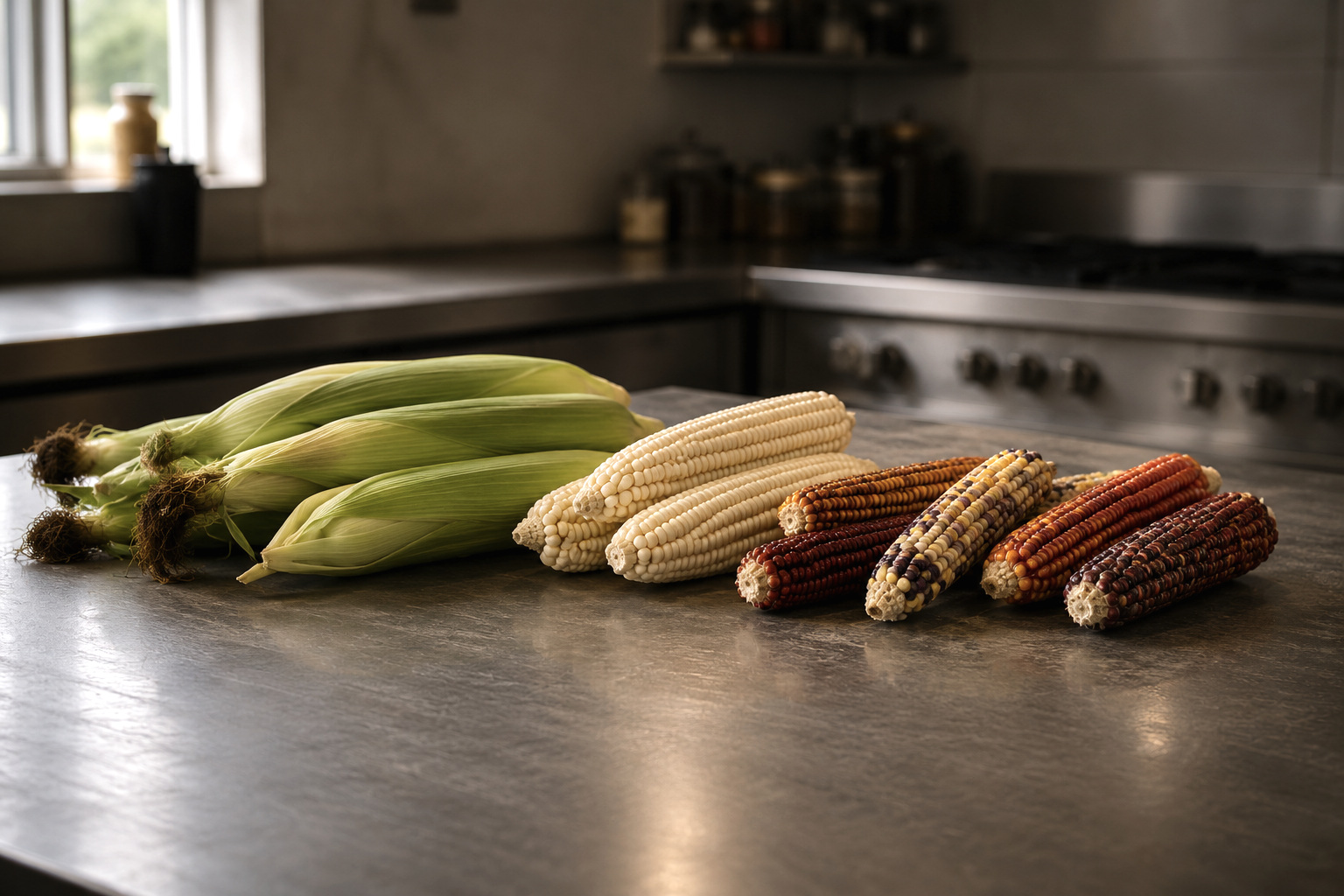
Corn — Masa, Memory, and the Culinary Foundation of Latin America
Corn is a foundational ingredient in Latin American cuisine. This Materia guide explores its origins, transformations, masa, drinks, nixtamalization, and culinary uses.
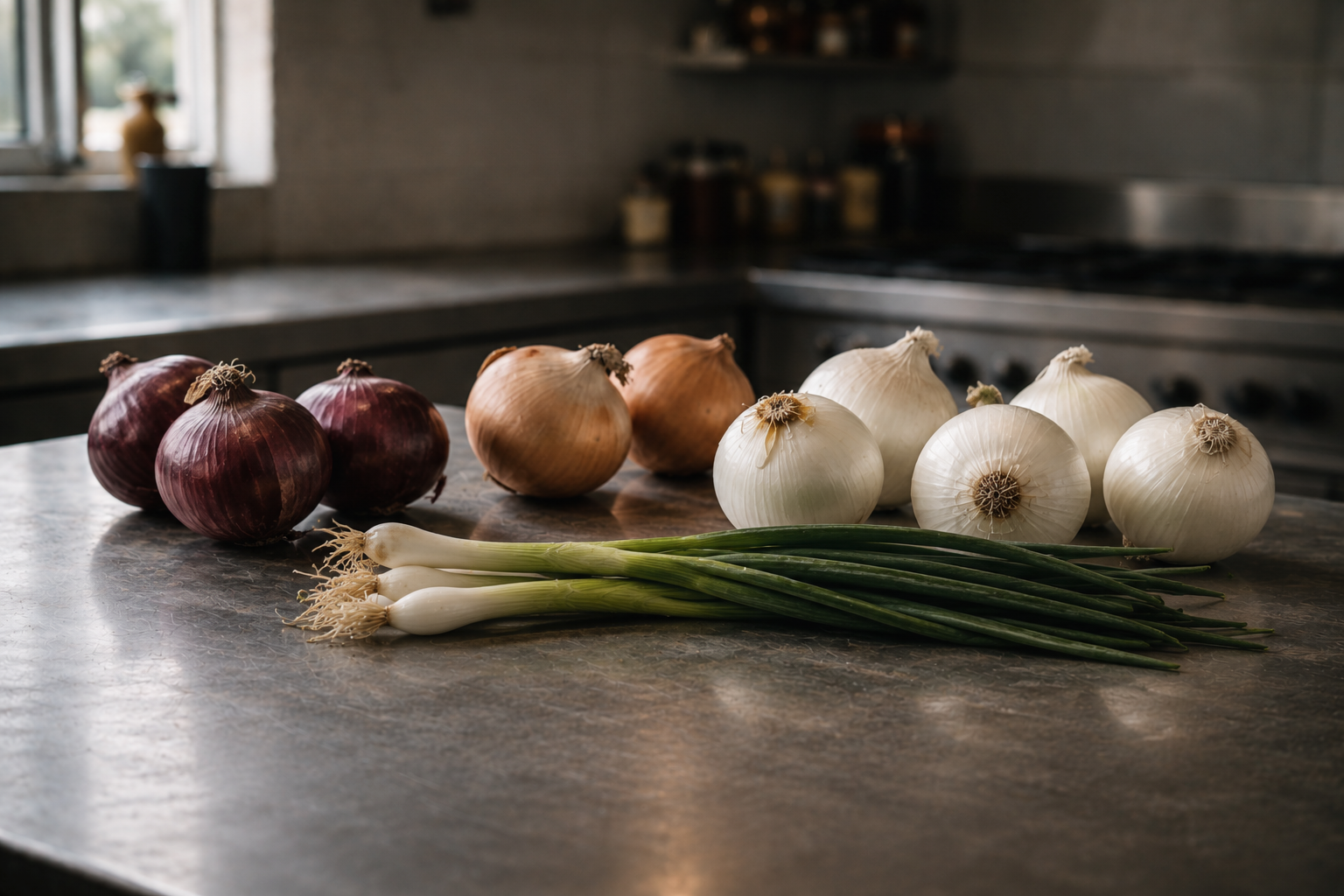
Onion — Aroma, Sweetness, and the Hidden Architecture of Flavor
Onion is one of the hidden foundations of cooking. This Materia guide explores onion types, flavor, storage, cooking techniques, and how onions shape dishes across cuisines.
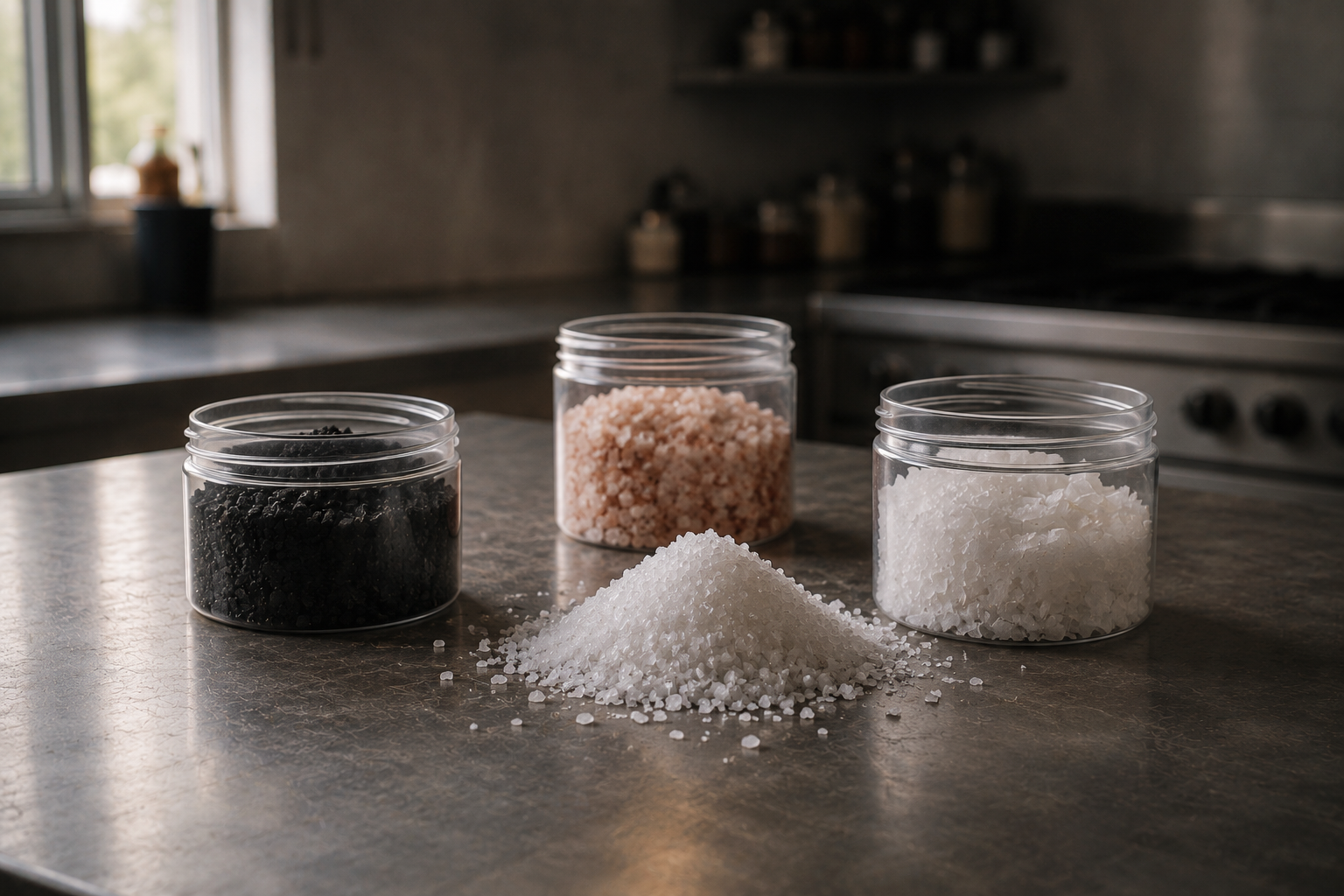
Salt — Salting With Intention, From Mineral Depth to Culinary Precision
Not all salts behave the same. This Materia guide explores salt types, mineral character, storage, safety, and how to season with intention.
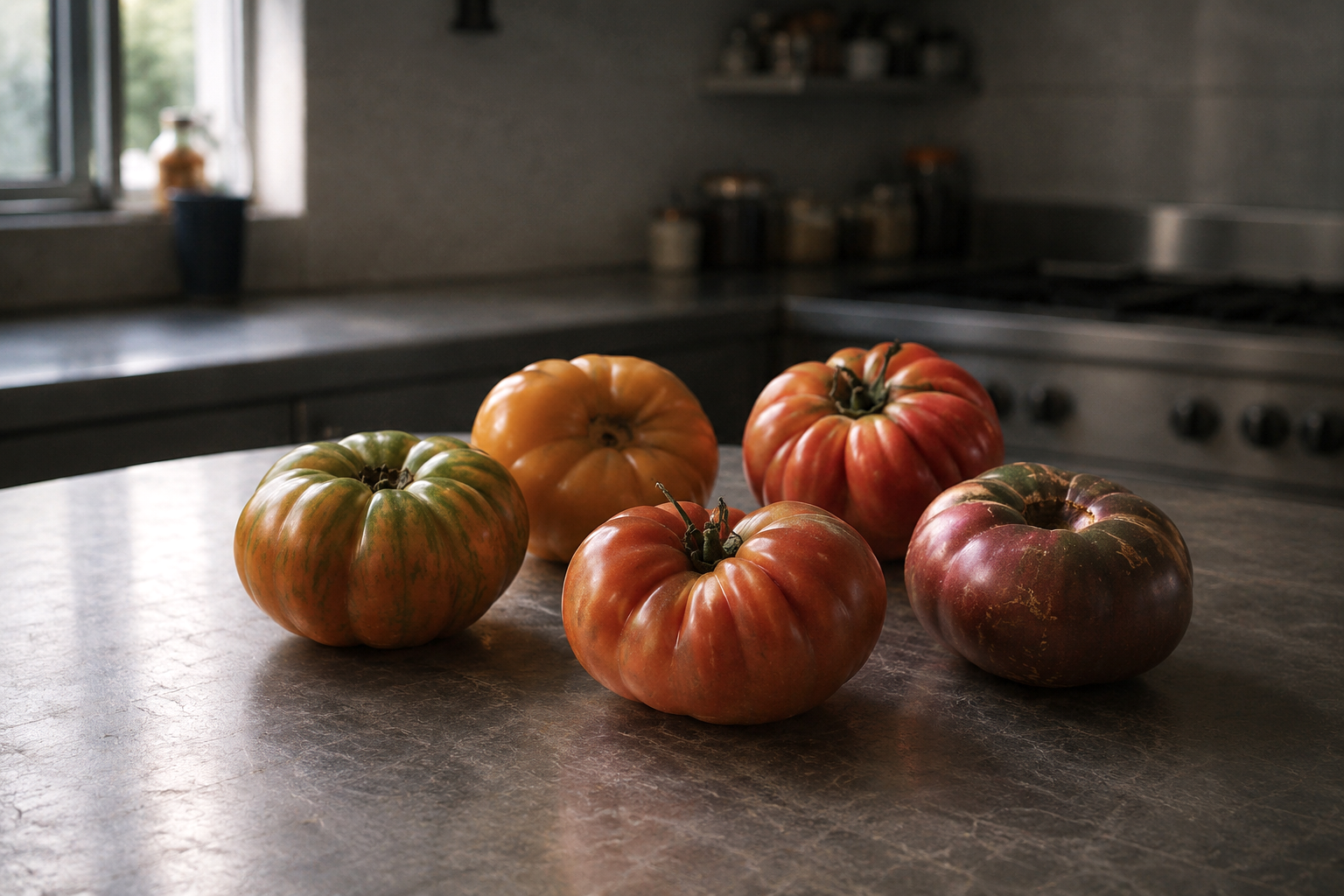
Tomatoes — Acidity, Umami, and the Global Journey of a Humble Fruit
Tomatoes are more than familiar produce. This Culinary Grammar guide explores their acidity, umami, global history, cooking techniques, and transformative culinary uses.

Black Garlic — The Quiet Alchemist of Umami & Transformation
Black garlic is a study in transformation—soft, sweet, and deeply umami. From its slow evolution under heat to its versatility across pastes, powders, and broths, this Materia exploration reveals how black garlic builds depth, balance, and complexity in modern plant-based and fusion cooking.

Seaweeds — Oceanic Umami, Mineral Depth & Culinary Possibilities
Seaweeds are foundational to Asian cooking, offering mineral depth, umami, and versatility. This Materia guide explores essential varieties, uses, and how to cook with seaweed.