
INSTRUMENTS
THE MECHANICS OF THE KITCHEN
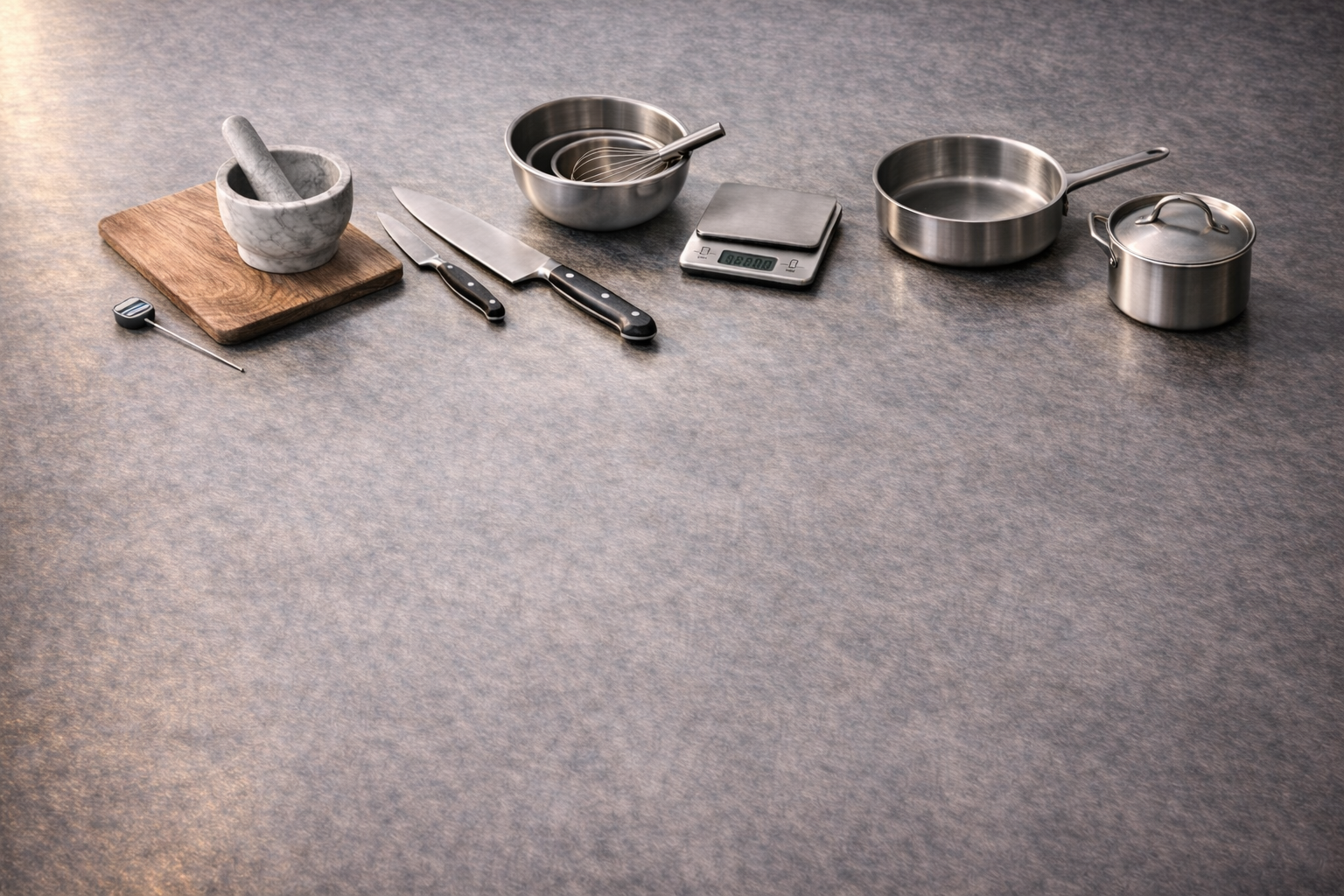
A structural study of the physical tools that shape our craft. Rather than focusing on brands or consumer reviews, this archive explores the mechanics, purpose, and functionality of essential kitchen equipment. From the blade geometry of a chef’s knife to the thermal dynamics of a heavy braiser, an instrument is only as effective as the cook's understanding of it. Explore the five foundational categories: Cutting, Heat, Measuring & Refinement, Mixing & Handling, and Texturizing & Extraction.
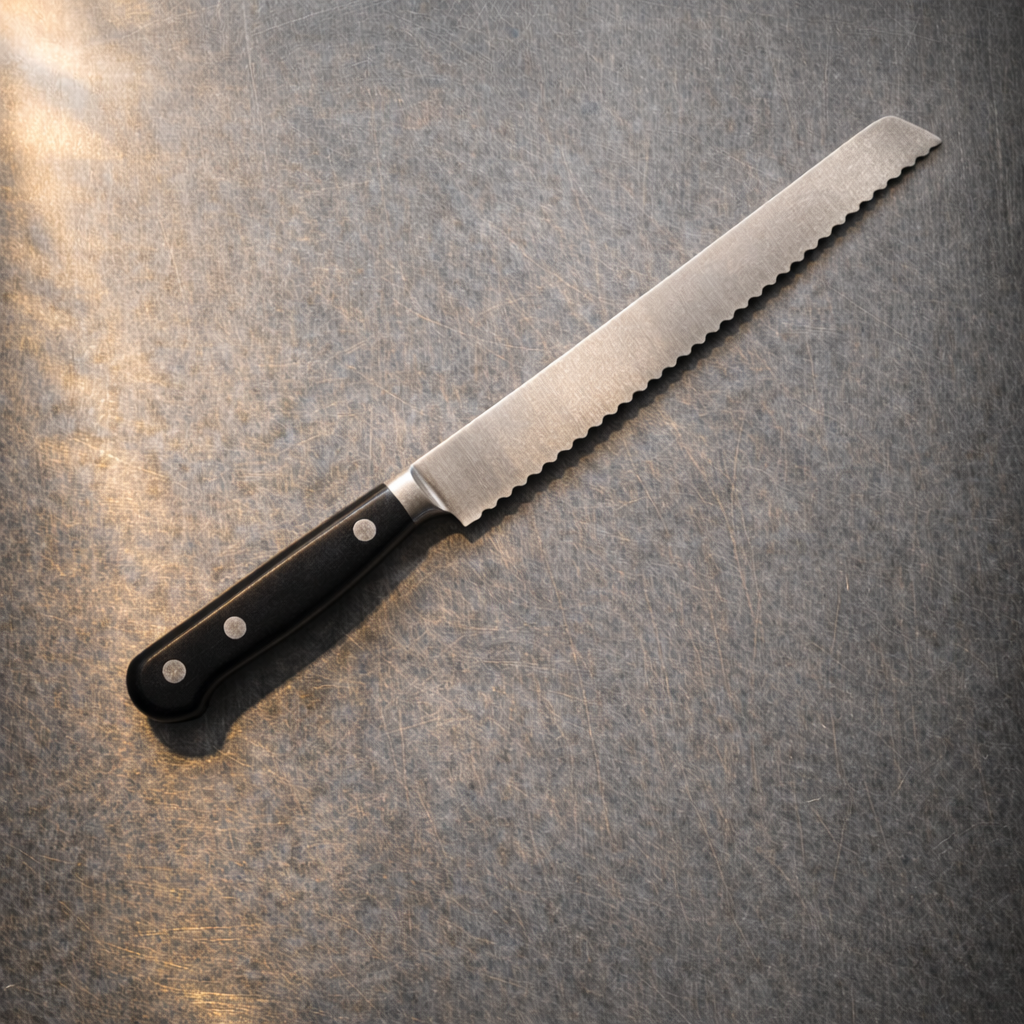
The Serrated Knife
Where smooth blades slide, the serrated edge grips and advances. Explore the blade geometry and mechanics designed to solve a specific structural problem: cutting fragile interiors protected by resistant surfaces.
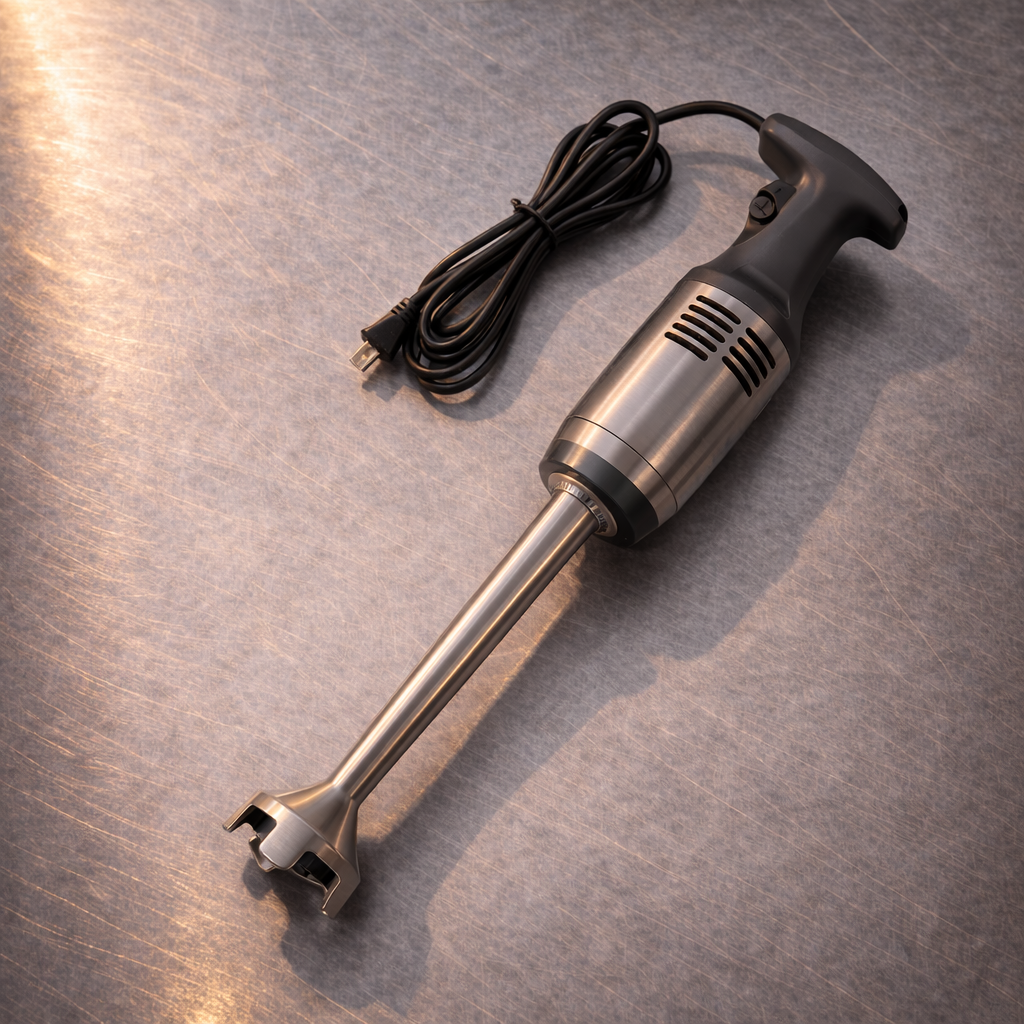
The Blender
Solid foods become liquids. Oils and waters combine. Explore the mechanics of high-speed shearing forces, liquefaction, and how the blender expands the range of textures available to the cook.
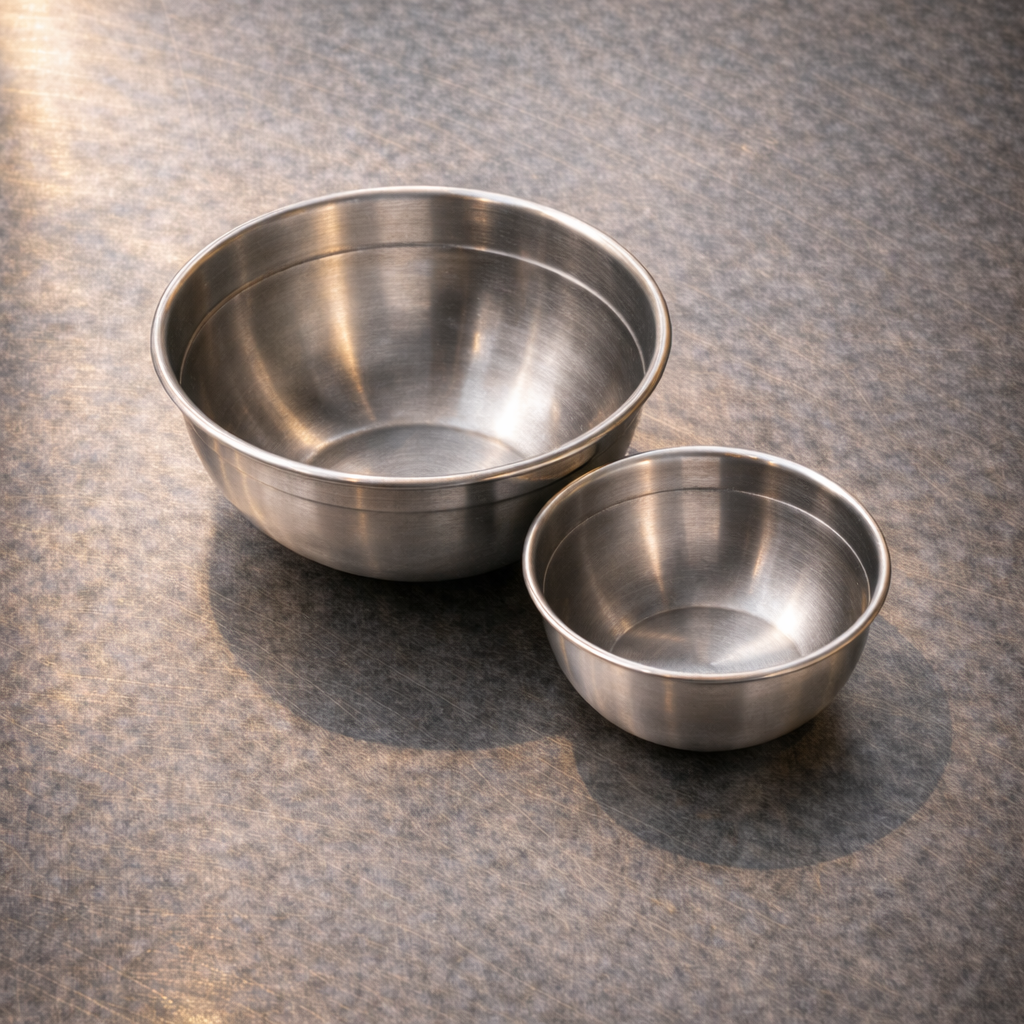
The Mixing Bowl
Before heat transforms ingredients, they must first be combined. Explore the geometric differences, material reactivity, and the structural role of the mixing bowl in standardizing culinary preparations.
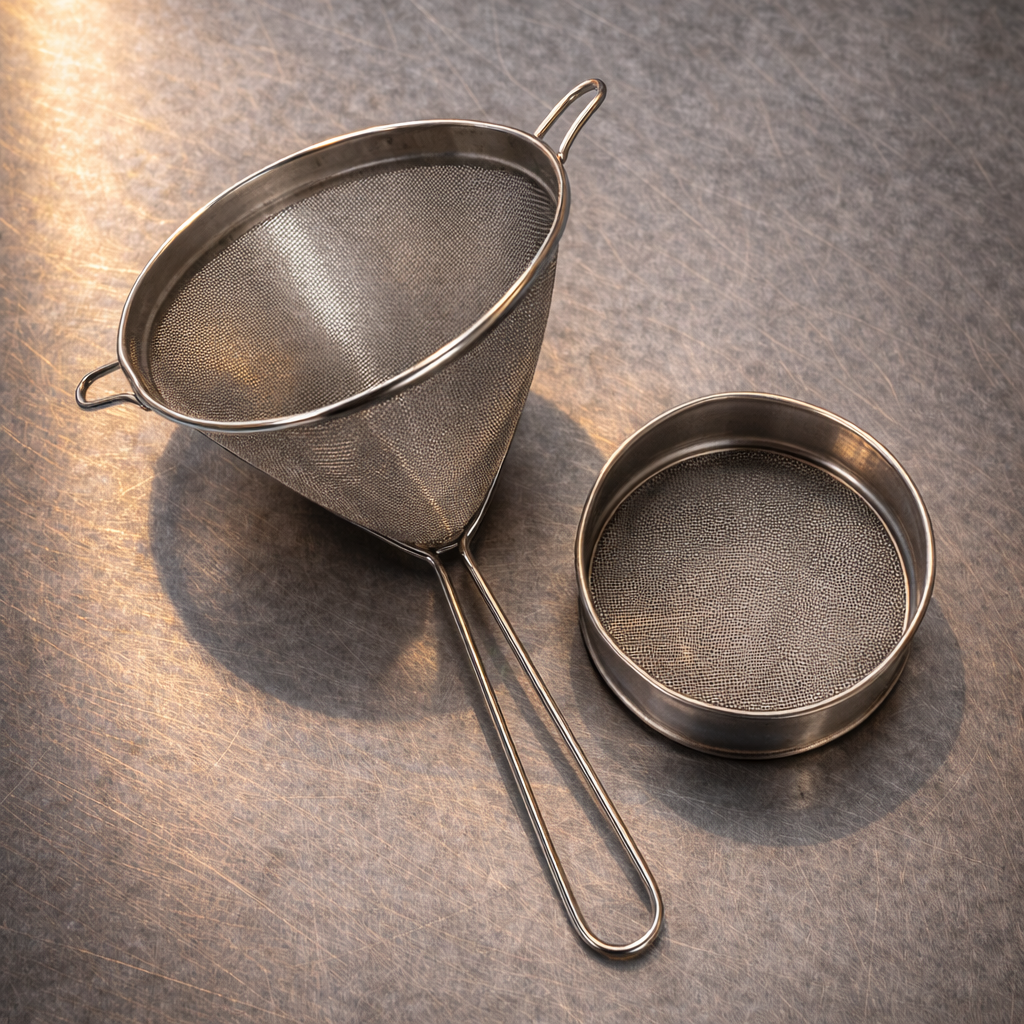
The Strainer & The Sieve
Not every preparation reaches its final form directly from the pot. Explore the mechanics of filtration, granulometry, and how the strainer and sieve refine texture with absolute structural precision.
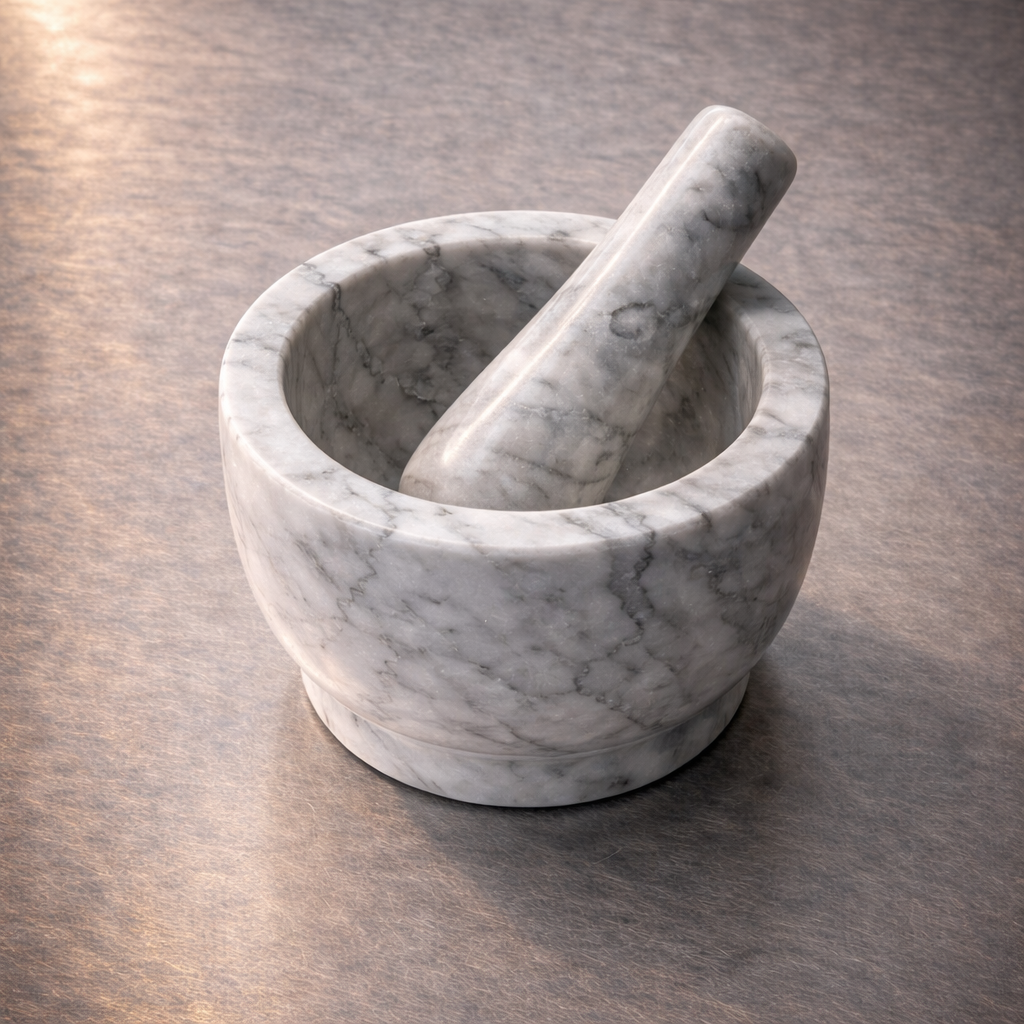
The Mortar & Pestle
Unlike high-speed blades that generate destructive heat, the mortar and pestle rely on gradual crushing and friction. Explore the mechanics of manual flavor extraction and the preservation of volatile aromatic oils.
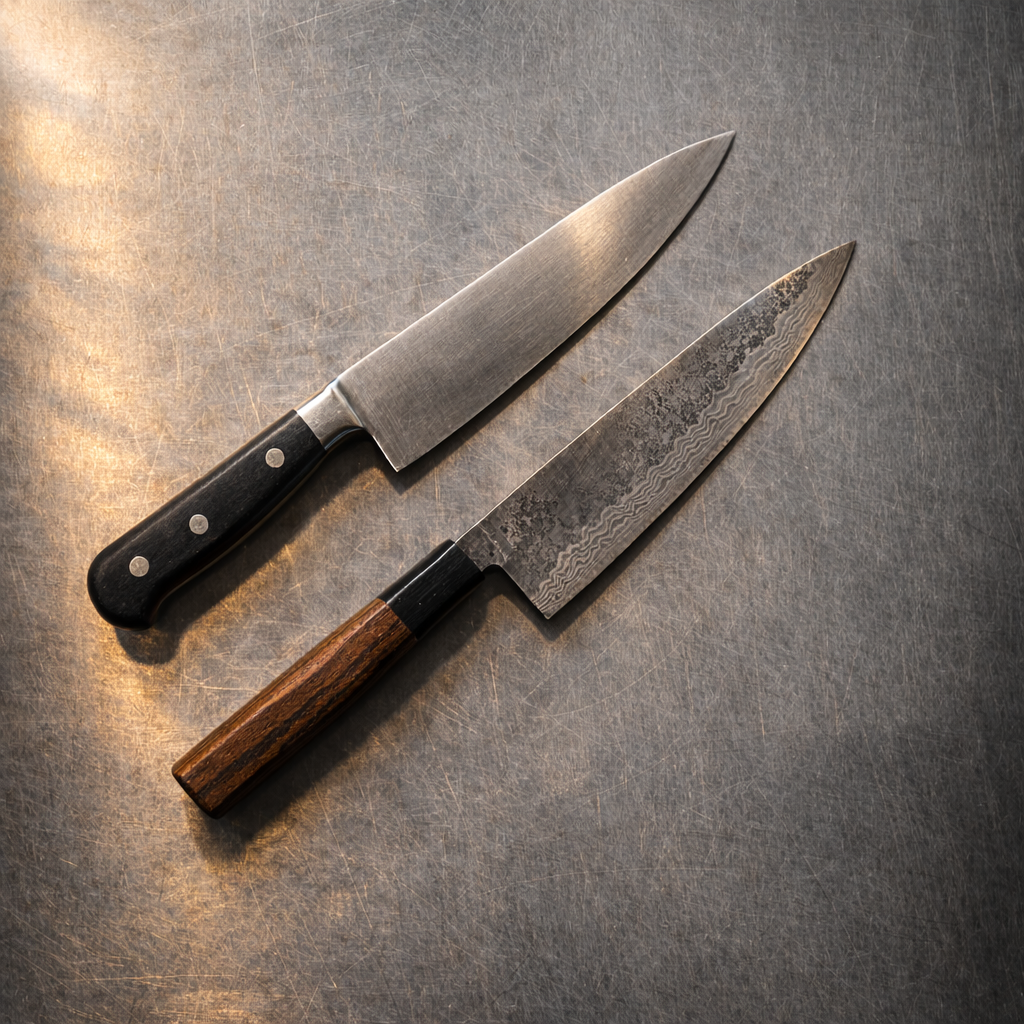
The Chef’s Knife
If a kitchen had to be reduced to a single knife, it would almost always be the chef's knife. Explore the geometry, steel profiles, and working methods of the central cutting instrument of the professional kitchen.