The Grill
The Dynamics of Radiant Heat
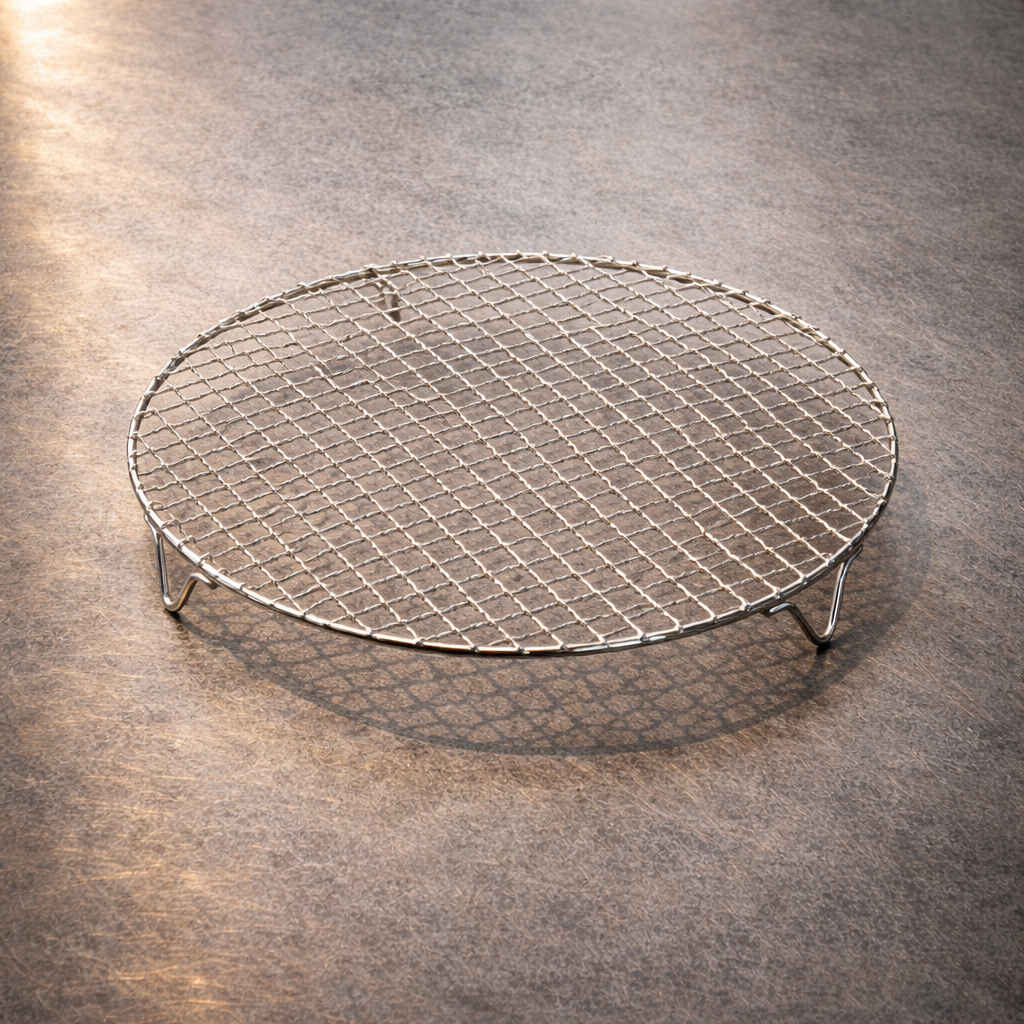
Among all cooking instruments, the grill brings the cook closest to the fire. Unlike the pan, which separates ingredients from the heat with a metal surface, or the pot, which cooks in liquid, the grill exposes ingredients directly to radiant heat rising from flames, charcoal, or embers. This direct exposure creates a distinct culinary language: smoke, char, caramelization, and the unmistakable marks of fire. Across cultures, the grill has been used for centuries to cook food quickly, intensely, and with minimal mediation between heat and ingredient.
The Function
The grill cooks through direct radiant heat combined with airflow. Heat rises from a flame or ember source and strikes the ingredient from below while air circulates around it.
This environment encourages:
• rapid browning
• surface caramelization
• smoky flavor development
• partial dehydration of the exterior
Because the ingredient is elevated above the heat source, fat can drip away, reducing the likelihood of frying and allowing grilling to remain a relatively clean heat method.
The Geometry
The defining feature of the grill is the grid structure. Parallel metal bars support the ingredient while allowing heat, smoke, and flame to pass through the openings. This design produces two important effects:
Direct heat exposure
Ingredients receive intense heat through the gaps between the bars.
Grill marks
Where the metal bars contact the ingredient, strong caramelization occurs, producing the characteristic lines associated with grilling.
Variations Across Cuisines
Grilling tools appear in many culinary traditions.
Open Grilling Grate
The most common form of grill is the metal grate placed over charcoal or open flame. This configuration is widely used in outdoor cooking and allows large quantities of ingredients to be grilled simultaneously.
Stovetop Grill Plate
Stovetop grills replicate some aspects of grilling using raised ridges on a heavy metal surface. While they cannot reproduce the same smoky airflow of an open grill, they allow cooks to achieve similar caramelization and grill marks indoors.
Skewer Grilling
Many cultures grill ingredients using skewers.
Examples include:
• Japanese yakitori
• Middle Eastern kebabs
• Southeast Asian satay
Skewers allow small pieces of food to be rotated easily over the heat source.
Beyond Grilling: Secondary Uses
The grill is also useful in several secondary kitchen functions.
Because its structure allows air circulation, it is often used for:
• cooling baked goods
• elevating hot trays from surfaces
• dehydrating ingredients
• steaming foods when placed above liquid in a pot
In these situations, the grill acts as a support structure rather than a cooking surface.
Choosing the Tool
When selecting a grill, several factors matter. First consideration would be its main purpose; other important considerations include:
• bar thickness and spacing
• material durability
• stability over the heat source
• ease of cleaning
Heavier grills retain heat better and produce stronger grill marks, while lighter grills heat quickly but may cool faster during cooking.
Common Misconceptions
A common misconception is that grilling is simply another form of frying. In reality, grilling works through radiant heat rather than contact heat. Because the ingredient is elevated above the flame, heat reaches it indirectly via radiation and airflow rather than by conduction through a pan.
Safety Considerations
Grilling introduces the additional risks associated with open flame. Fat dripping onto fire can cause sudden flare-ups, and grill surfaces often reach extremely high temperatures. Proper tools such as tongs and heat-resistant gloves help reduce the risk of burns.
Closing Reflection
The grill represents one of the oldest cooking instruments known to humanity. Long before metal cookware existed, humans cooked food by placing it above fire. Modern grills retain this same essential principle: the ingredient suspended above flame, exposed to heat, smoke, and air. In this environment, cooking becomes elemental again, guided by the rhythm of fire rather than the precision of enclosed vessels.
Related Instruments
Pan
Pot
Braiser
Tongs