Peruvian Cuisine — 23 Departure Points for Coast, Andes, Ají, and Migration
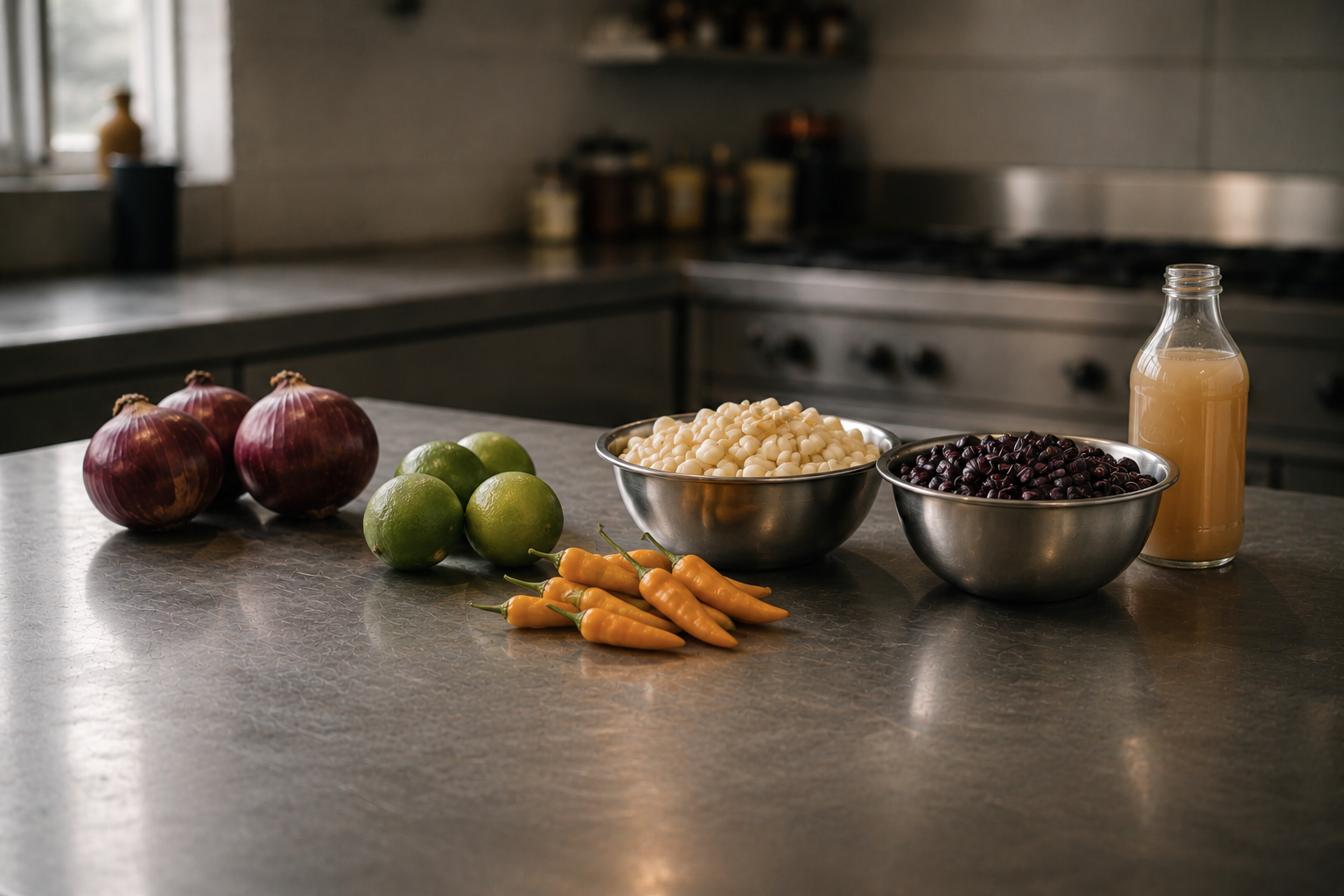
Peruvian cuisine is one of the clearest examples of how geography and history shape a culinary language. It is built between coast, mountains, jungle, and city; between Indigenous ingredients, colonial exchange, African influence, Chinese migration, Japanese technique, and contemporary innovation.
Its pantry is vast: potatoes, corn, quinoa, ají peppers, seafood, herbs, fermented corn drinks, dried tubers, peanuts, and native fruits. Its techniques are equally varied: citrus-marination, earth-oven cooking, stir-frying, slow stewing, charcoal roasting, layered cold dishes, and sauce-building through chiles, dairy, herbs, nuts, and starch.
This article gathers 23 Peruvian culinary materials, preparations, and techniques, organized into clusters so we can begin to see patterns, possibilities, and relationships. The goal is not to define Peruvian cuisine completely, but to offer a structured beginning for creative exploration.
Editorial note: Peruvian cuisine is highly regional, with deep Indigenous, coastal, Andean, Amazonian, African, Chinese, Japanese, and Spanish influences. This article is a selected introduction, not a complete map. Each dish and term deserves deeper study in its own cultural and regional context.
Departure Points is a Materia series built around creative exploration. Each article gathers 23 known or traditionally used applications of an ingredient, technique, region, or culinary material, then organizes them into clusters so cooks can see patterns, possibilities, and relationships. Each point of departure is a catapult for further inquiry: a reference, a context, and a question to carry back into the kitchen. What does this material do? How has it been used before? What changes when we alter the medium, the technique, the temperature, or the cultural context? From there, the work begins.
Cluster I: Coast, Citrus, and Raw Preparations
Peru’s Pacific coast gives the cuisine one of its most recognizable signatures: fresh seafood treated with acidity, chile, herbs, and speed. These preparations reveal how freshness, timing, and sharp seasoning can become technique.
1. Ceviche
Ceviche is one of Peru’s iconic dishes, made with fresh raw fish marinated in citrus juice, usually lime, with onion, cilantro, and ají. It is often served with sweet potato, corn, and cancha. As a departure point, ceviche teaches acidity as transformation, but also the importance of freshness, timing, and restraint.
2. Tiradito
Tiradito is often described as a meeting point between Peruvian ceviche and Japanese sashimi influence. The fish is sliced thinly and dressed with a spicy citrus-based sauce rather than mixed and marinated heavily. It teaches precision, slicing, and sauce as immediate seasoning.
3. Choros a la Chalaca
Choros a la chalaca are mussels served cold with a bright salsa of onion, tomato, corn, cilantro, ají, and lime. This preparation shows how seafood can become a platform for acidity, crunch, freshness, and color.
4. Chupe de Camarones
Chupe de camarones is a rich shrimp chowder associated with Arequipa, made with shrimp, potatoes, milk, corn, cheese, and ají amarillo. It reveals another side of coastal seafood: not raw and sharp, but warm, creamy, structured, and generous.
Cluster II: Ají, Sauces, and Chile-Based Identity
Ají peppers are not simply heat. They bring fruitiness, color, aroma, bitterness, sweetness, and regional identity. Many Peruvian dishes begin by understanding which ají is being used and what kind of warmth it contributes.
5. Ají
Ají refers to Peruvian chile peppers, including ají amarillo, ají panca, ají limo, and rocoto. Each has a different profile: fruity, smoky, floral, earthy, or sharply hot. Ají teaches the cook to think of chile as flavor architecture, not only spice.
6. Papa a la Huancaína
Papa a la Huancaína is made with boiled potatoes covered in a creamy sauce of ají amarillo, queso fresco, milk, and crackers or bread. It is a study in how chile, dairy, starch, and fat can become a sauce with body and brightness.
7. Ocopa
Ocopa is related in spirit to Huancaína but distinct, often made with peanuts, huacatay, cheese, ají amarillo, and other ingredients. It brings nuttiness, herbal depth, and creamy structure to potatoes or vegetables.
8. Huacatay
Huacatay, often called black mint, is a Peruvian herb with a strong, complex aroma. It appears in sauces, marinades, and stews, especially ocopa. It teaches how a single herb can define the identity of a sauce.
9. Rocoto Relleno
Rocoto relleno is a dish from Arequipa featuring rocoto peppers stuffed with minced meat, onions, olives, raisins, spices, and often baked with cheese. It shows chile as vessel, not only seasoning.
Cluster III: Andean Foundations, Potatoes, Corn, and Ancient Starches
Peruvian cuisine is inseparable from the Andes, where potatoes, corn, tubers, and grains form a deep culinary foundation. These ingredients create structure, nourishment, and identity.
10. Causa
Causa is a cold layered dish made with mashed yellow potatoes, lime juice, ají amarillo, and fillings such as chicken, tuna, avocado, shrimp, or vegetables. It teaches potato as structure: a seasoned starch that can hold layers, acidity, fat, and filling.
11. Tacu Tacu
Tacu tacu is made from rice and beans, often leftovers, seasoned and pan-fried into a crisp-edged patty. It teaches reuse, texture, and transformation: soft leftovers become structure, crust, and a new dish.
12. Carapulcra
Carapulcra is an Andean stew made with dried potatoes, pork or chicken, peanuts, ají panca, and spices. It teaches the power of dried tubers, slow cooking, and nut-thickened sauces.
13. Pachamanca
Pachamanca is a traditional Andean earth-oven preparation in which meats, potatoes, corn, and other ingredients are cooked with hot stones, herbs, and leaves. It teaches cooking as landscape: earth, heat, stone, steam, and time.
Cluster IV: Migration, Stir-Fry, and Urban Fusion Systems
Peruvian cuisine has absorbed and transformed global influences, especially through Chinese and Japanese migration. These foodways are not external additions; they are now part of Peru’s culinary identity.
14. Lomo Saltado
Lomo saltado is a Peruvian stir-fry made with beef, onions, tomatoes, ají amarillo, soy sauce, and vinegar, usually served with rice and French fries. It is one of the clearest expressions of Chinese-Peruvian chifa influence, combining wok technique with Peruvian ingredients.
15. Chifa
Chifa refers to Peruvian-Chinese cuisine, including dishes like arroz chaufa and tallarines saltados. It teaches how migration can create a new culinary system, not simply a hybrid dish.
16. Pollo a la Brasa
Pollo a la brasa is Peruvian-style rotisserie chicken, marinated with spices, vinegar, soy sauce, and other seasonings, then roasted over charcoal or in rotisserie ovens. It shows how marinade, smoke, spice, and urban food culture can create a national classic.
Cluster V: Slow Stews, Braises, and Deep Sauce Traditions
These dishes show the depth of Peruvian cooking beyond bright ceviches and sauces. Here, flavor develops through long cooking, chile pastes, herbs, fermented beverages, nuts, and reduction.
17. Ají de Gallina
Ají de gallina is a creamy chicken stew made with shredded chicken, ají amarillo, walnuts, cheese, milk, and bread. It teaches how chile, dairy, nuts, and starch can create a soft, rich sauce with depth and comfort.
18. Seco
Seco is a slow-cooked stew made with meat such as lamb, beef, or chicken, cilantro, ají, and often chicha de jora. It teaches herb-driven braising, where cilantro becomes more than garnish; it becomes the body of the sauce.
19. Adobo de Cerdo
Adobo de cerdo, especially associated with Arequipa, is a pork stew marinated with chicha de jora, ají panca, garlic, and spices, then slow-cooked until tender. It teaches fermentation, chile, and slow heat as a braising system.
20. Anticuchos
Anticuchos are grilled skewers, traditionally made with marinated beef heart, seasoned with garlic, spices, vinegar, and ají panca. They teach offal, marinade, smoke, and street food as a precise flavor system.
Cluster VI: Drinks, Sweets, and Purple Corn
Peruvian cuisine also has a strong language of beverages and sweets, many built around corn, fruit, spices, and starch. Purple corn, in particular, becomes both drink and dessert material.
21. Chicha Morada
Chicha morada is a non-alcoholic drink made from purple corn, pineapple, cinnamon, cloves, and sugar, served chilled. It teaches how maize can become beverage, color, aroma, and refreshment.
22. Mazamorra Morada
Mazamorra morada is a sweet purple corn pudding flavored with cinnamon, cloves, fruit, and sometimes served with arroz con leche. It teaches starch as dessert structure and purple corn as both color and flavor.
23. Salchipapas
Salchipapas is a popular street food made with sliced hot dogs and French fries, served with sauces such as ketchup, mayonnaise, mustard, ají, or other condiments. It may seem simple, but it reveals the urban side of Peruvian food: casual, popular, sauce-driven, and deeply social.
What Peruvian INGREDIENTS Teach the Cook
Peruvian cuisine teaches us that a culinary system can hold many geographies at once. The coast brings fish and acidity. The Andes bring potatoes, corn, tubers, and earth ovens. Migration brings stir-fry, soy sauce, slicing techniques, and new urban forms. Sauces bring color, heat, starch, and body.
Across these 23 departure points, several patterns emerge:
citrus as transformation
ají as color, heat, and aroma
potatoes as structure
corn as drink, starch, and ritual material
herbs as sauce foundations
Chinese and Japanese influence as Peruvian identity
earth ovens and charcoal as deep cooking systems
dairy, nuts, and bread as sauce architecture
street food as social grammar
The creative lesson is clear: Peruvian cuisine is not diverse by accident. It is diverse because geography, history, migration, and technique have been continuously folded into one of the world’s most expressive culinary languages.
Creative Exploration Prompt
Choose one Peruvian logic and apply it to a small preparation.
For example:
ceviche logic: acid + chile + freshness
causa logic: seasoned starch + layered filling
chifa logic: wok heat + soy sauce + local ingredients
pachamanca logic: earth, steam, herbs, and slow heat
ají sauce logic: chile + dairy or nuts + starch
Ask yourself:
What is the base structure?
What brings brightness?
What brings heat?
What carries cultural memory?
What technique transforms the ingredient?
Document how the preparation changes when you adjust acidity, chile, starch, sauce, or heat.
From there, the work begins.