Cajun Cuisine — 23 Departure Points for Roux, Smoke, Rice, and Bayou Cooking
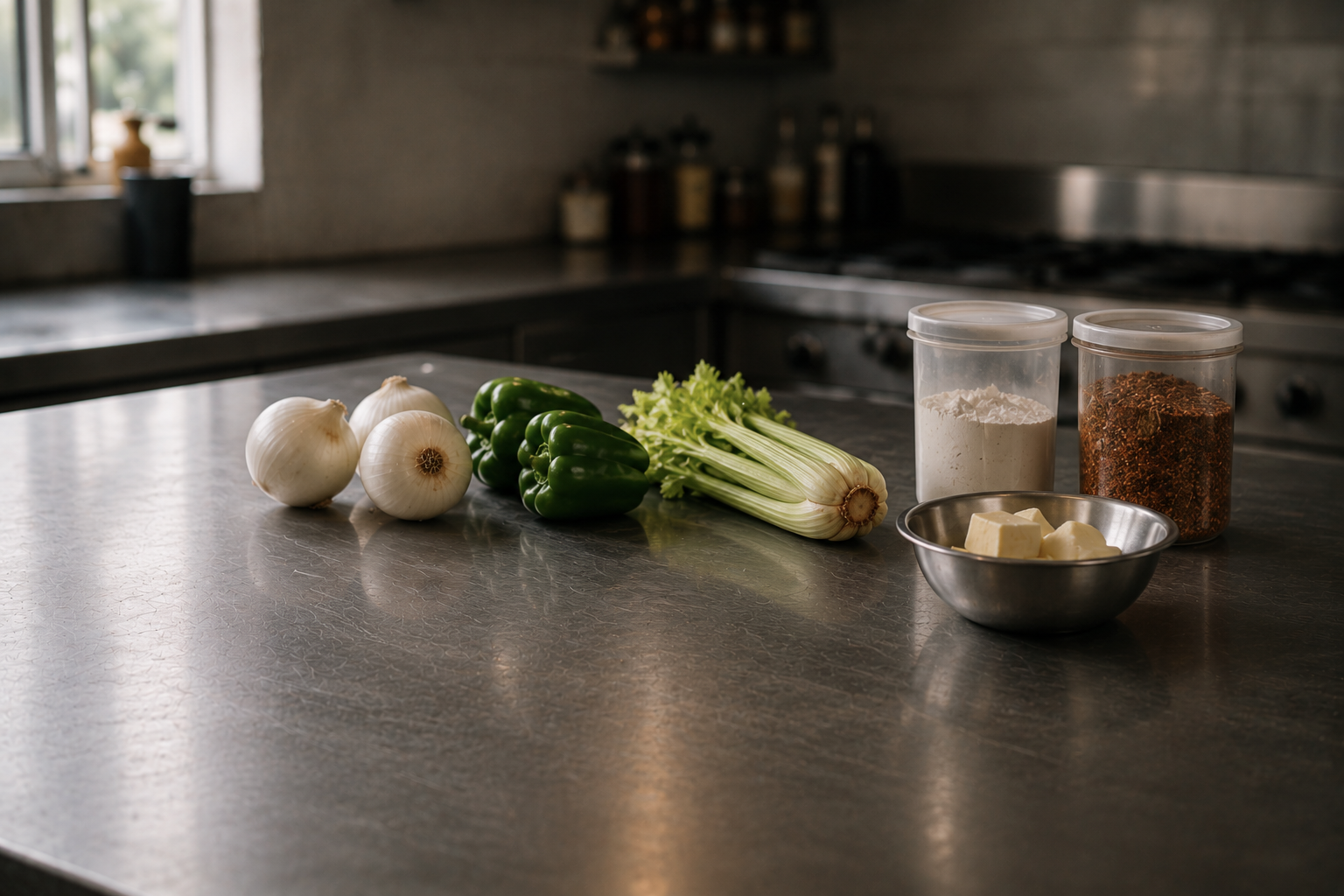
Cajun cuisine is a culinary language shaped by migration, adaptation, landscape, and necessity. Rooted in the foodways of the Acadian people who settled in Louisiana, it developed through contact with Indigenous, African, Spanish, French, Caribbean, and broader Southern traditions. It is rustic, resourceful, deeply seasoned, and tied to place: bayous, rivers, rice fields, smokehouses, seafood boils, home kitchens, and communal tables.
At the center of Cajun cooking is transformation through patience and heat. Flour and fat become roux. Onion, bell pepper, and celery become the holy trinity. Sausage and smoked meats season entire pots. Rice becomes structure. Seafood becomes feast. Peppers, herbs, and spices bring warmth, while slow cooking creates depth.
This article gathers 23 Cajun culinary materials, dishes, and techniques, organized into clusters so we can begin to see patterns, possibilities, and relationships. The goal is not to define Cajun cuisine completely, but to offer a structured beginning for creative exploration.
Editorial note: Cajun and Creole cuisines are distinct but deeply connected within Louisiana food culture. Some entries here, such as po’boys, Creole mustard, and court-bouillon, may belong more broadly to Louisiana cuisine or overlap with Creole traditions. They are included because they help map the larger culinary field around Cajun cooking.
Departure Points is a Materia series built around creative exploration. Each article gathers 23 known or traditionally used applications of an ingredient, technique, region, or culinary material, then organizes them into clusters so cooks can see patterns, possibilities, and relationships. Each point of departure is a catapult for further inquiry: a reference, a context, and a question to carry back into the kitchen. What does this material do? How has it been used before? What changes when we alter the medium, the technique, the temperature, or the cultural context? From there, the work begins.
Cluster I: Roux, Trinity, and Sauce Architecture
Cajun cooking often begins with foundations that are built slowly. Roux, vegetables, stock, and seasoning form the architecture of many dishes. These are not background steps; they are where the flavor is constructed.
1. Roux
Roux is a mixture of flour and fat cooked together until it becomes a thickening and flavor-building base. In Cajun cooking, roux can range from pale to deep brown, with darker roux bringing nuttier, more roasted flavor. It is essential in gumbo, étouffée, and other sauces or stews.
2. The Holy Trinity
The holy trinity refers to onion, bell pepper, and celery, the foundational aromatic base of Cajun and Creole cooking. Like mirepoix in French cuisine, it gives structure to sauces, stews, rice dishes, and braises. Its flavor is vegetal, sweet, savory, and deeply practical.
3. Étouffée
Étouffée means “smothered” and usually refers to shellfish, such as crawfish or shrimp, cooked in a roux-based sauce with onions, bell peppers, celery, and spices. Served over rice, it teaches how a sauce can become both coating and body.
4. Crawfish Étouffée
Crawfish étouffée is one of the most emblematic versions of the technique. Crawfish tails are folded into a thick, spicy, aromatic sauce built from roux and trinity. It is a study in restraint and depth: the sauce must support the crawfish without burying its sweetness.
5. Court-Bouillon
Court-bouillon in Louisiana cooking often refers to a tomato-based fish or seafood stew, different from the lighter French poaching liquid of the same name. It teaches how borrowed culinary language changes when adapted to local ingredients, fish, spice, tomato, and regional cooking habits.
Cluster II: Smoke, Sausage, Pork, and Deep Seasoning
Smoke is one of the great engines of Cajun flavor. Sausages, cured pork, smoked shoulder, cracklins, and seasoned meats add depth to pots of rice, beans, gumbo, and stews.
6. Andouille
Andouille is a smoked pork sausage seasoned with garlic, pepper, and spices. In Cajun cooking, it is not only a sausage; it is a seasoning system. It gives gumbo, jambalaya, red beans, and rice dishes smoke, fat, and savory depth.
7. Tasso
Tasso is a highly seasoned, smoked pork shoulder used as a flavoring ingredient. It is often added in small amounts to gumbo, jambalaya, beans, greens, and sauces. It teaches how smoked meat can function like a concentrated condiment.
8. Boudin
Boudin is a sausage made with pork, rice, liver, onions, and seasonings. It is often eaten as a snack, formed into balls, or served casually. It teaches the Cajun logic of stretching ingredients into something portable, flavorful, and complete.
9. Cracklins
Cracklins are fried pieces of pork skin and fat, crisp on the outside and chewy inside. They are a snack, a texture, and a reminder that Cajun cooking often values every part of the animal.
Cluster III: Rice, Beans, and One-Pot Systems
Rice is one of the structural anchors of Cajun cuisine. It absorbs sauces, stretches proteins, holds stews, and becomes the body of one-pot dishes.
10. Gumbo
Gumbo is a rich stew often made with roux, the holy trinity, stock, and proteins such as chicken, sausage, seafood, or game. Served over rice, it teaches layering: roux, smoke, vegetables, spice, stock, and time.
11. Jambalaya
Jambalaya is a one-pot rice dish cooked with meat, seafood, vegetables, seasoning, broth, and sometimes tomatoes depending on the regional style. It teaches how rice can absorb flavor while becoming part of the cooking process, not just a side.
12. Dirty Rice
Dirty rice is cooked with ground meat, chicken livers or gizzards, aromatics, and spices, giving the rice its dark, savory appearance. It teaches how offal, seasoning, and rice can create depth from humble materials.
13. Red Beans and Rice
Red beans and rice is a classic Louisiana dish made with red kidney beans slow-cooked with smoked sausage, ham hock, tasso, aromatics, and spices, then served over rice. It teaches patience, smoke, starch, and the power of a pot cooked low and long.
Cluster IV: Seafood, Boils, and Bayou Ingredients
Cajun cuisine is deeply connected to Louisiana’s waterways. Crawfish, shrimp, crab, fish, and wild ingredients all shape the cooking of the bayou and coastal regions.
14. Crawfish
Crawfish are freshwater crustaceans central to Cajun food culture. They are boiled, smothered, folded into pies, added to étouffée, or served in communal crawfish boils. They bring sweetness, delicacy, and a strong sense of place.
15. Cajun Boil
A Cajun boil is a communal cooking method where crawfish, shrimp, crab, sausage, potatoes, corn, and seasoning are cooked together in a large pot. It teaches abundance, timing, spice management, and shared eating.
16. Bayou
Bayou is not a dish, but it is a culinary landscape. It refers to slow-moving waterways and marshy ecosystems that provide fish, crawfish, wild game, and cultural identity. Including it reminds us that cuisine is shaped by geography, not only recipes.
17. Mirliton
Mirliton, also known as chayote, is used in Cajun and Louisiana cooking, often stuffed with seafood or meat, baked in casseroles, or added to stews. It brings mild sweetness, softness, and a vegetable structure that absorbs seasoning well.
Cluster V: Spice, Heat, and Surface Transformation
Cajun cooking is famous for bold seasoning, but its spice logic is more complex than heat alone. It uses paprika, cayenne, garlic, onion, herbs, pepper, mustard, and smoke to build layers.
18. Cajun Seasoning
Cajun seasoning typically includes paprika, garlic powder, onion powder, cayenne, black pepper, oregano, thyme, and other spices depending on the blend. It can season meats, fish, vegetables, rice dishes, sauces, and fried foods.
19. Blackening
Blackening is a cooking technique where fish, chicken, or other proteins are coated in spices and seared in a very hot skillet to create a dark, flavorful crust. It teaches surface transformation through spice, fat, heat, and timing.
20. Creole Mustard
Creole mustard is a coarse, stone-ground mustard made with vinegar and spices. Though strongly associated with Louisiana cuisine broadly, it works beautifully in Cajun-adjacent sauces, dressings, marinades, and sandwiches, adding acidity, heat, and texture.
Cluster VI: Breads, Sandwiches, and Everyday Forms
Cajun and Louisiana food culture also lives in portable foods, breads, sandwiches, and casual forms that carry flavor beyond the stew pot.
21. Po’Boy
A po’boy is a Louisiana sandwich made with French bread and fillings such as fried seafood, roast beef, sausage, or other meats. Often dressed with lettuce, tomato, pickles, and mayonnaise, it teaches texture: crisp bread, hot filling, cool garnish, sauce, and acidity.
22. Maque Choux
Maque choux is a corn dish made with corn, bell peppers, onions, tomatoes, and sometimes cream or meat. It reflects Indigenous, French, and regional influences, turning corn into a sweet, savory, aromatic side dish.
23. Béchamel
Béchamel is a French white sauce made from roux, butter, flour, and milk. It is not uniquely Cajun, but French sauce traditions helped shape parts of Louisiana cooking. In this context, béchamel becomes a reminder of how French technique enters local kitchens and adapts to regional ingredients.
What Cajun Culinary Ingredients Teach the Cook
Cajun cuisine teaches us how to build flavor from the bottom of the pot upward. It is a cuisine of roux, rice, smoke, spice, water, patience, and practical transformation.
Across these 23 departure points, several patterns emerge:
roux as flavor and structure
trinity as aromatic foundation
smoke as seasoning
sausage and pork as depth
rice as absorber and architecture
crawfish and seafood as landscape
spice as crust, heat, and identity
one-pot cooking as efficiency and abundance
communal eating as culinary form
The creative lesson is clear: Cajun cooking is not only bold because it is spicy. It is bold because it understands how to layer flavor through heat, smoke, starch, fat, vegetables, and time.
Creative Exploration Prompt
Choose one Cajun cooking logic and test it with a different ingredient.
For example:
roux logic: flour + fat + time
trinity logic: onion + bell pepper + celery
blackening logic: spice + fat + high heat
gumbo logic: roux + stock + protein + rice
boil logic: spice + water + timing + shared table
Ask yourself:
What builds the base?
What brings smoke?
What thickens the dish?
What absorbs the sauce?
What makes it communal?
Document how the dish changes when you adjust roux color, spice level, smoke, starch, or cooking time.
From there, the work begins.