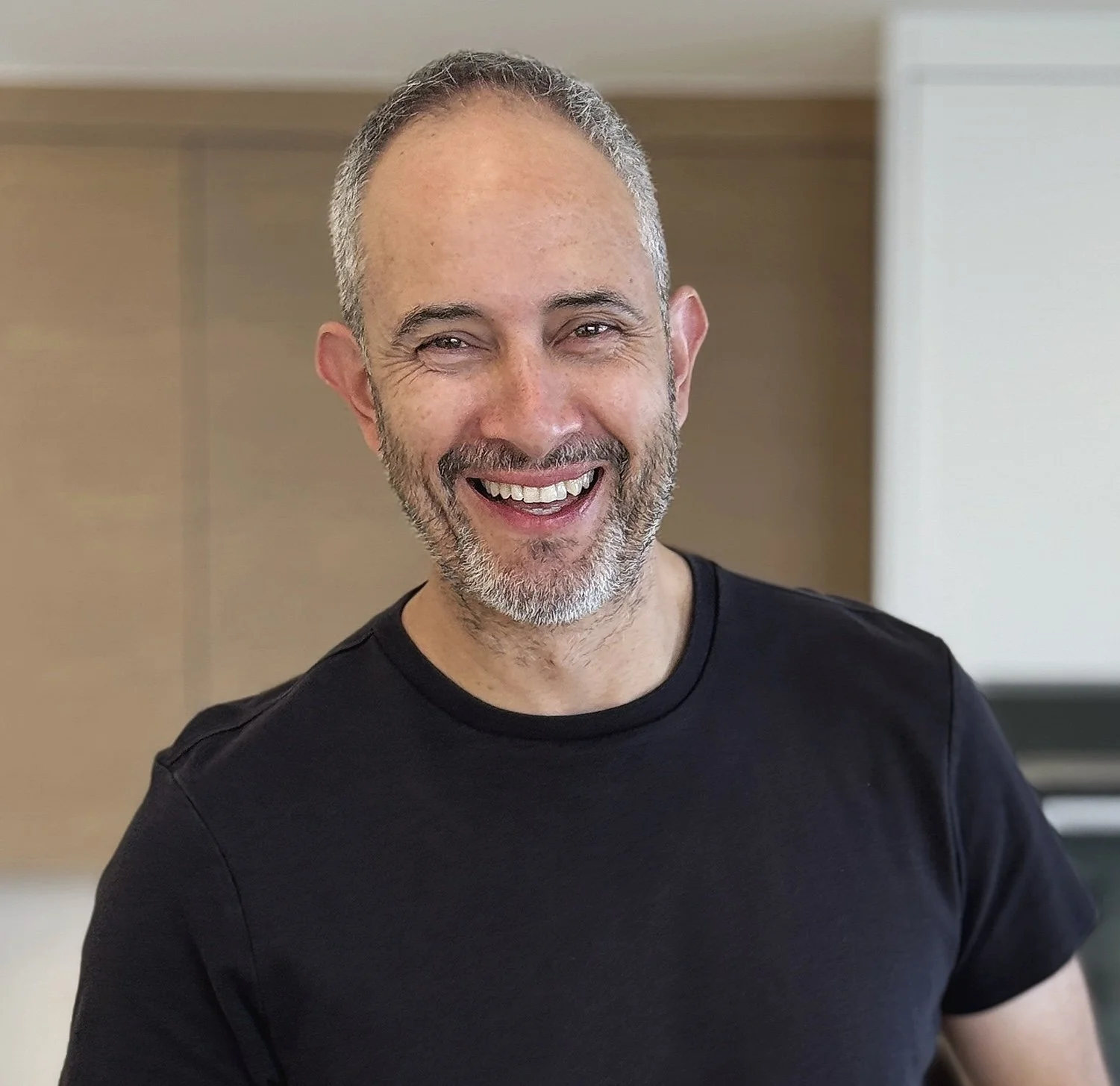
When the Chef Runs the Whole Restaurant: The Risks of Becoming Chef, Owner, and Manager

There is a particular restaurant dream that begins with independence. You want to cook your own food. You want to build your own menu, create your own atmosphere, choose your own team, and make the decisions that other people once made for you. You no longer want to ask permission to change a dish, improve an ingredient, reorganize a station, or move the restaurant in a direction you believe is better. So you open your own place. And in the beginning, you become almost everything. The chef. The owner. The manager. The purchaser. The person who speaks to suppliers. The person who interviews cooks. The person who answers the bank. The person who solves the reservation problem. The person who decides what happens when the refrigerator stops working.
This figure appears throughout the restaurant world. Sometimes it is a young chef opening a first small restaurant with limited capital. Sometimes it is a cook taking over an existing business. Sometimes it is a family operation where one person gradually becomes responsible for most of the decisions. Sometimes it is an experienced chef who wants complete authorship over a project. The model can work. Many good restaurants began this way. But it is one of the most demanding positions a person can create for themselves, because the title is singular while the work is multiple. You are not only opening a restaurant. You are combining several professions inside one body.
Three Roles, Different Responsibilities
The chef thinks about food. The menu. Ingredients. Recipes. Quality. Prep. Service. Training. Taste. Presentation. The development of the kitchen. The manager thinks about the operation. Schedules. Suppliers. Maintenance. Inventory. Staff problems. Communication. Reservations. Reports. Procedures. Whether the restaurant will be ready to open on time. The owner thinks about the business. Capital. Debt. Rent. Payroll. Taxes. Marketing. Legal responsibilities. Long-term direction. The possibility of growth. Whether the restaurant can survive. These roles overlap, but they are not the same. That is where the challenge begins. The chef may want a better ingredient. The manager sees that the supplier is unreliable. The owner sees that the food cost cannot support the purchase. All three voices belong to you. You have to listen to each one.
A chef-owner-manager who listens only to the chef may build beautiful food inside a fragile business. One who listens only to the owner may gradually damage the food in pursuit of short-term savings. One who remains trapped in management may spend every day solving operational problems and lose contact with the reason the restaurant was opened. The work is not simply doing more. It is holding several perspectives at once. That requires structure. One of the best ways to make this model come true is to begin with the menu. Before thinking about the final kitchen, staff, equipment, room, branding, or promotional campaign, understand what the restaurant is actually going to serve. Not a fantasy list of every dish you would enjoy cooking. A working menu. What kind of restaurant does this menu belong to? What equipment does it require? How many people are needed to prepare it? How much refrigerated and dry storage will it demand? How many suppliers? How many hours of preparation before service? Which dishes depend on your personal presence, and which can be taught to someone else? How much does the food cost? How much can realistically be charged? The menu begins to reveal the business.
Perhaps you imagined a small restaurant operated with a compact team, but the menu contains too many components, techniques, and last-minute preparations. Perhaps the food requires more storage than the space provides. Perhaps every dish depends on you tasting, finishing, and plating it personally. That is not only a menu problem. It is a capacity problem. The menu has to belong to the model you can actually operate. This connection is crucial for a chef-owner-manager because every unnecessary complication eventually returns to you. Another garnish becomes another item to purchase, prep, store, teach, monitor, and replace when it runs out. Another menu section becomes another set of recipes, ingredients, equipment needs, and service decisions. Complexity is not limited to the plate. It multiplies through the business. A clear menu gives the whole operation a center. It helps you decide what the restaurant needs and, just as importantly, what it does not need.
Build for Your Real Capacity
Many restaurant projects begin by overestimating what one person can sustain. During development, this may already become visible. You are working on the menu, finding a location, building the kitchen, dealing with permits, choosing equipment, meeting suppliers, hiring staff, costing recipes, developing the identity, and thinking about the opening. The restaurant is not yet operating, but you are already exhausted. That is information. It does not necessarily mean the idea is wrong. It may mean the model is too heavy. Perhaps the menu needs to become smaller. Perhaps the space is too ambitious. Perhaps another person needs to join the business. Perhaps certain responsibilities should be contracted out. Perhaps the opening schedule is unrealistic.
A restaurant should not be built around your maximum possible effort on your best day. It should be built around a level of work that can be repeated. There will be difficult weeks. Staff will call in sick. Equipment will fail. Deliveries will be late. A private event will appear. Someone will resign. Something will cost more than expected. Even with careful planning, surprises are part of the business. Your model needs enough space to absorb them. If every hour of every day is already committed before opening, the first unexpected problem will have nowhere to go. It will enter your rest, your finances, your judgment, or the quality of the restaurant. Usually all four.
Time is one of the least visible expenses in a restaurant plan. You calculate ingredients. Equipment. Rent. Furniture. Labor. Utilities. Insurance. Marketing. But how much time will the restaurant require from you? Not only during service. Who writes the schedule? Who reviews inventory? Who answers emails? Who meets the accountant? Who handles maintenance? Who reviews costs? Who develops the next menu? Who trains the new cook? Who speaks to the supplier after a weak delivery? Who looks at sales reports? Who plans the promotional campaign? These tasks do not disappear because you spent twelve hours in the kitchen. They wait. Often until the restaurant closes.
This creates one of the central dangers of the chef-owner-manager role. The visible work fills the day, and the invisible work fills the night. Then the person begins to make decisions while tired. Reports are postponed. Equipment maintenance is delayed. Purchasing becomes reactive. Staff conversations happen too late. Marketing becomes irregular. Creative work disappears entirely because every available hour is consumed by immediate operations. Time planning therefore cannot mean filling every available hour efficiently. It has to include unassigned time. Time for the unexpected. Time to review the business rather than merely work inside it. Time to think. If the restaurant cannot provide that space, then someone else needs to take responsibility for part of the operation.
A good restaurant does not automatically become a visible restaurant. This is one of the common traps. The chef focuses on the food. The room looks good. Service improves. The menu has been tested. Everyone involved in the project knows how much effort has gone into it. Then the doors open. And not enough people come. Marketing is not something that happens after all the real work is finished. It is part of the real work. Who is the restaurant for? How will those people hear about it? What story will the menu communicate? Who will photograph the food? Who will maintain the website? Who will respond to media, events, collaborations, and inquiries? Who will send the newsletter, manage reservations, and ensure that the restaurant remains visible beyond a few social media posts?
The chef-owner-manager often answers: “I will do it.” But when? Before prep? During service? After payroll? On the day off? Marketing becomes intermittent because the urgent operation always wins. This is another place where delegation or outside support may be necessary. The person does not have to surrender the restaurant’s voice, but someone must translate that voice into consistent public communication. A restaurant can be excellent and still remain unknown. Quality creates the reason to return. Marketing creates the first chance to arrive. Both are necessary.
Pay Yourself for the Work
Money becomes particularly complicated when the owner is also doing two full jobs inside the business. There is a common and questionable idea that the owner should take whatever remains. In the early stages, that may mean very little. The restaurant needs cash. Debts must be paid. The operation is fragile. The owner delays personal reward because the business needs support. That may be necessary for a defined period. But the financial model should still recognize the labor being performed. If you are the chef, the business should account for the cost of a chef. If you are also the manager, it should account for the cost of management. Perhaps you do not withdraw both full salaries immediately. But those positions still have a value in the payroll. One day, if you stop performing either role, someone else will have to be hired and paid.
If the restaurant appears profitable only because the owner is performing two or three jobs without proper compensation, then the model is giving a false result. The business is not truly carrying its labor cost. It is being subsidized by the owner’s unpaid time. This becomes a serious problem when the owner eventually tries to step away. Suddenly, hiring a chef makes the restaurant unprofitable. Hiring a manager makes the numbers collapse. The owner discovers that the business only worked while one person absorbed several salaries. That is not scaleability, it is codependency. The financial plan should therefore distinguish between wages and ownership return. You are paid for the job you perform, and you should take a check home. Later, if the business generates sufficient profit, you may also receive a return as an owner. These are different forms of compensation. Being the owner does not justify free labor.
Ownership Has to Be Worth the Risk
Opening a restaurant usually involves financial risk. Savings. Loans. Guarantees. Debt. Personal exposure. Years of work before stability appears. That risk should have a purpose. I have seen owners carrying the ultimate responsibility of the business while earning close to the same amount as their highest-paid employees. Sometimes less, once unpaid hours are considered. The question becomes unavoidable: Why carry all the ownership risk if the business cannot eventually provide a meaningful return? This is not greed. It is an economic reality. A restaurant may take time to reach profitability. An owner may choose to reinvest for years. But the model should show a believable route toward compensation that reflects the responsibility being carried. Otherwise, ownership becomes a permanent state of sacrifice. And sacrifice is not a business strategy.
The chef-owner-manager has to be especially clear about this because emotional attachment can hide financial weakness. The restaurant is personal. The food is personal. The team depends on you. Guests know you. Leaving or changing the model feels like abandoning something. That attachment can make a person tolerate conditions they would never accept as an employee. The numbers should therefore be reviewed without sentimentality. Is the business paying for the labor it uses? Is debt decreasing? Is the owner building equity or merely surviving? Is there enough margin to hire support? Can the model continue without consuming the person at its center? These questions protect the restaurant because they protect the person carrying it.
Perhaps the most exhausting part of running the whole restaurant is not the physical work. It is dealing with the amount of decisions involved in it. Should the sauce have more salt? Can we use this product to clean the kitchen floor? The extraction fan sounds strange. Should we call the technician now? The bank needs another document for the loan. Someone wants to host a birthday dinner for thirty people. The printer has not delivered the new menus. A cook wants Friday off. The supplier has changed the price. The reservation system is not working. The bartender needs more glassware. The refrigerator temperature is rising. Each question may be manageable alone. Together, they occupy the mind continuously.
Small decisions interrupt larger ones. A strategic conversation about debt is interrupted by a question about herbs. A menu-development session stops because no one knows where the spare key is. A serious staffing decision remains unresolved while ten smaller matters demand immediate answers. This is decision fatigue. And it affects the clarity and the quality of your decisions. A tired mind becomes reactive. It chooses the fastest answer. It postpones difficult decisions. It becomes irritable. It loses the ability to distinguish what is important from what is merely loud. The solution is not to become better at answering everything. It is to reduce the number of decisions that require you. Protocols do this. Budgets do this. Defined roles do this. A clear menu does this.
If one person is responsible for menu printing, that person does not ask every time. If the manager has authority to call a technician below a certain cost, the fan does not wait for the owner’s permission. If suppliers, substitutions, discounts, staff meals, and maintenance requests have procedures, dozens of daily questions disappear. The chef-owner-manager should reserve attention for decisions that genuinely require ownership. Everything else should gradually move into the system. Many people who build their own restaurants have difficulty delegating. The restaurant exists because they cared enough to do things personally. They know how they want the food seasoned, how the dining room should feel, how guests should be received, and how ingredients should be handled.
Handing part of that responsibility to someone else can feel dangerous. “What if they do it wrong?” They may. At first. Delegation requires training, documentation, observation, and correction. It is not the act of throwing a responsibility toward another person and hoping for the best. But without delegation, the restaurant cannot mature. Everything remains dependent on one person. The chef cannot leave the kitchen. The owner cannot take a day away. The manager cannot make a decision without permission. The team waits for answers. Small problems accumulate whenever the central person is absent. That is not control. It is a bottleneck.
Delegation means deciding what must remain with you and what can become the responsibility of someone else. Perhaps the menu direction remains yours, while purchasing moves to a trained sous chef. Perhaps the financial review remains yours, while scheduling moves to the manager. Perhaps you approve the marketing direction, but someone else produces and publishes the material. Authority should travel with responsibility. If someone is accountable for maintaining menus, that person needs the budget and permission to print them. If someone manages equipment, that person needs a process for requesting repairs. If a sous chef is responsible for service, that person needs authority to correct the team. Delegation without authority creates more questions. Good delegation removes them.
The Business Must Organically Outgrow Your Hands
At the beginning, being everywhere may be necessary. Later, it becomes a limitation. Growth requires another structure. A chef de cuisine. A general manager. A financial administrator. A purchasing system. A training structure. A marketing person. People who can make decisions without waiting for the founder. This does not mean the founder disappears. The role changes. The person may become a culinary director, creative director, executive chef, or owner overseeing the larger direction. The work moves from carrying every task to building the people and systems that carry the restaurant. That transition can be emotionally difficult. The founder may feel that no one will care as much. Probably no one will care in exactly the same way.
When the chef, owner, and manager are the same person, everyone watches that person. The cooks. The servers. The managers. Suppliers. Guests. Investors. They watch how you respond when something goes wrong. This does not mean you cannot become tired, frustrated, or upset. You are human. But the person at the center of the restaurant cannot repeatedly transfer emotional instability into the operation without consequence. I once worked in a restaurant founded by three owners. One was responsible for much of the dining room and guest interaction. He was charming with customers, but frequently arrived suffering from the effects of the previous night. He forgot things. He would enter the kitchen with a request and then realize he could no longer remember exactly what the guest had asked for. His personal condition became an operational problem. Another owner worked in the kitchen. He was nearly always angry. Tense. Aggressive. Everything seemed to irritate him. The team had to manage not only the service, but also his emotional state. The third owner was different. He remained calm. Problems happened. Service became difficult. The restaurant carried the normal pressure of the business. But he did not add panic to any situation, he was always the guy with the solutions.
Nearly twenty years later, he is the one still running the restaurant. It remains successful. And people who have worked or interned there continue to speak well of him. That is not accidental. Keeping your cool is not a question of personality alone. It is a leadership practice. When the central person panics, the whole restaurant contracts. People hide mistakes. Communication becomes incomplete. Small problems grow because no one wants to bring them forward. Decisions become emotional. When the leader remains steady, the team can keep thinking. Calmness does not mean passivity. The owner can still correct, demand, refuse, and make hard decisions. But the response should remain proportionate to the problem. A broken plate is not a betrayal. A late delivery is not a personal insult. A weak service is not proof that everything has failed. The restaurant needs the leader to preserve perspective.
You Cannot Lead From Permanent Exhaustion
The chef-owner-manager often treats personal endurance as part of the role. You work longer because it is your business. You cover the missing shift. You arrive first and leave last. You answer messages from home. You think about the restaurant while trying to sleep. For a period, this may be unavoidable. As a permanent operating model, it is dangerous. Exhaustion affects taste, patience, judgment, memory, communication, and decision-making. The very qualities the restaurant depends on begin to deteriorate. This is not only a personal wellness issue. It is a business-continuity issue. If the restaurant cannot function when you rest, become sick, or step away for several days, then the business has concentrated too much risk on one person.
The owner is the main pillar. A pillar also needs support. Build another person capable of opening. Train someone to close. Make supplier information accessible. Document passwords and essential procedures securely. Create authority for emergencies. Make sure someone else can run the service. The goal is not to become unnecessary. It is to stop being the only point through which everything must pass. Research the operation. Observe the work. Study the sales. Understand the guest. See where time is going. Learn what the staff needs. Examine what the menu requires. Experiment carefully. Change one system. Delegate one responsibility. Test a new schedule. Simplify one part of the menu. Bring in training. Adjust the purchasing process.
Document what happens. What has improved? What became worse? What did the change cost? What was learned? Which task returned to you because the handover was unclear? Then refine. Strengthen what worked. Correct what did not. Make the new process understandable and repeatable. This prevents the restaurant from being managed only through reaction. It creates a way to improve the business without trying to repair everything at once. The chef-owner-manager does not need to have all the answers. The person needs a method for finding them.
Running the entire restaurant can be deeply satisfying. You see the connection between the idea and the plate, between the plate and the guest, between the guest and the business. You are not only cooking food. You are building a place that communicates your vision. That is a powerful form of authorship. But authorship is not the same as doing every task forever. The restaurant should express your direction without consuming your entire capacity. That requires a menu aligned with the operation. A financial model that recognizes your labor. Time for the unexpected. A serious plan for visibility. Protocols that reduce unnecessary decisions. People who can carry authority. And the emotional discipline to remain steady when the business becomes difficult.
The role can be done. Many people do it, and have done it well since restaurants exist. But those who sustain it do not simply work harder than everyone else. Over time, they build a structure that keeps the restaurant from depending only on their effort. That is the real evolution of the chef-owner-manager. At first, you run the whole show because no one else can. Then you train, document, delegate, and refine until the restaurant can continue to express your vision without requiring you to hold every part at once. The goal is not to abandon the restaurant. It is to build a restaurant strong enough that you are finally able to lead it.
When the Chef Runs the Whole Restaurant: The Risks of Becoming Chef, Owner, and Manager