
FORMULA LOG
DOCUMENTING FLAVORS, TEXTURES AND AROMAS
Formula Log is where Culinary Collector demonstrates how to turn experimentation into record.
The entries gathered here are not recipes in the conventional sense. They are documented preparations: blends, pastes, infused fats, botanical blends, herb bases, rimmers, condiments and flavor systems developed research, through testing, observation and refinement.
Each formula begins with a material question towards transformation.
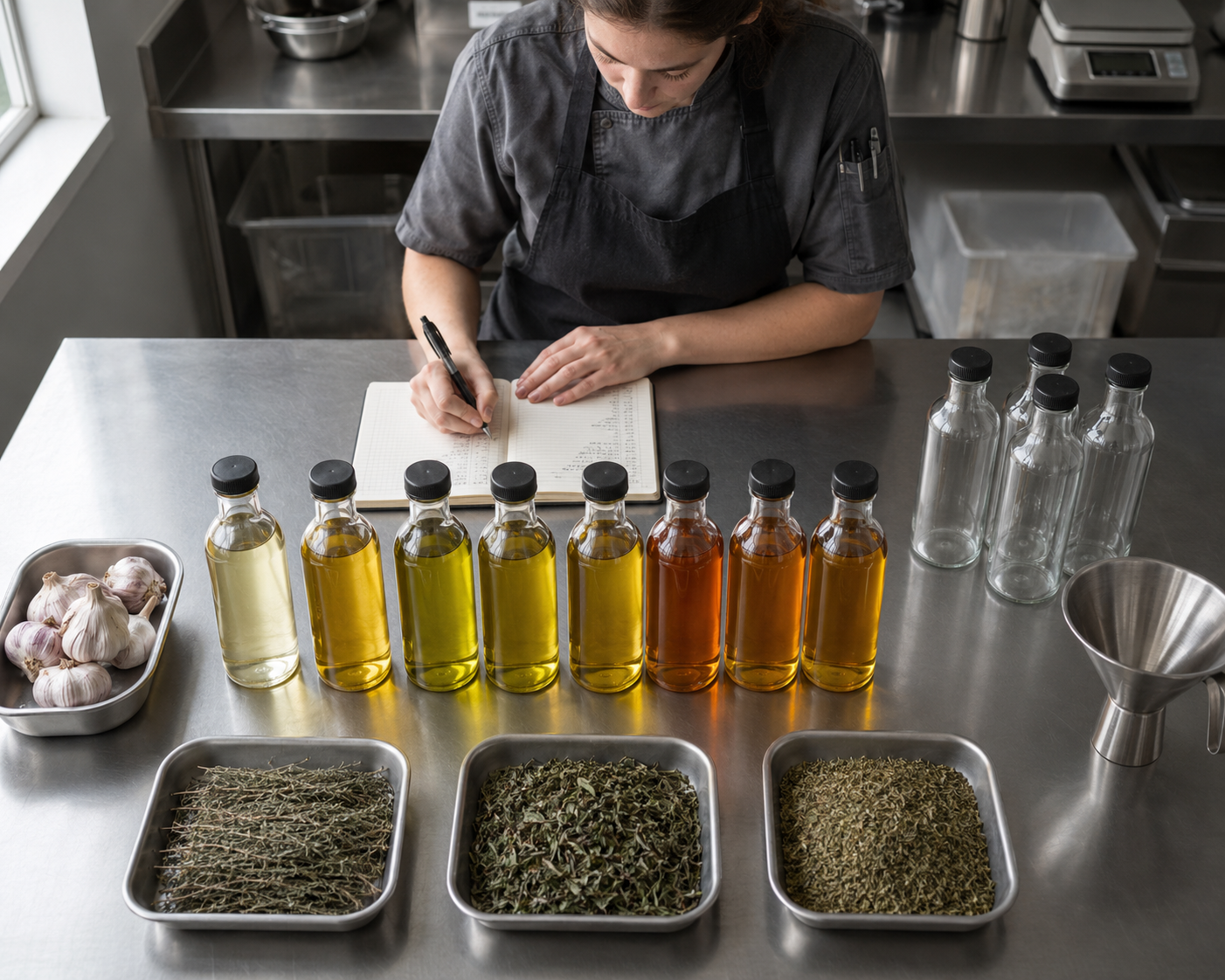
What happens when salt is treated not only as seasoning, but as a mineral structure? How does black garlic behave when it is transformed into a flavor base, then carried through ghee or coconut oil? What changes when fresh herbs become a paste that can move toward curry, dressing, marinade or spread? These entries follow those questions through exact weights, process notes, storage guidance, sensory maps and application contexts.
*The formulas published here are intended for culinary study, kitchen use and creative exploration. They may be adapted, tested and used as learning tools. Commercial production, white-label use, resale or institutional training based on these formulas requires permission from Culinary Collector Recipe-Lab. For collaboration, product development or R&D work, please contact us directly.
The Formula Log is organized through the consistent use of templates because creativity needs a structure to become useful.
Each entry includes classification, flavor and aroma mapping, a full formula, method, storage, applications, notes, experimental uses and visual observation. This allows a cook to study the preparation not only as something to copy, but as something to understand through a recorded structured process. The goal is not simply to reproduce a result, but to recognize how ingredients behave together.
These formulas are intended as points of departure. They are written with exact measurements because precision makes experimentation possible, but they are not meant to close the subject. As a cook you can study the ratio, adjust the granulometry, change the carrier, test another acidity, shift the application and document the result. This is where the culinary creative process becomes visible: research, experimentation, documentation and refinement, placed into a working culinary archive.
Search Formula Log
The search bar is the primary tool for moving through the Formula Log. Search by ingredient, such as black garlic, salt, cilantro, lime, hibiscus, chile, etc. Search by function, such as flavor base, infused fat, rimmer, finishing salt, marinade, dressing or cocktail. Search by application, such as grilled fish, rum cocktails, cheese, vegetables, bread or sauce.
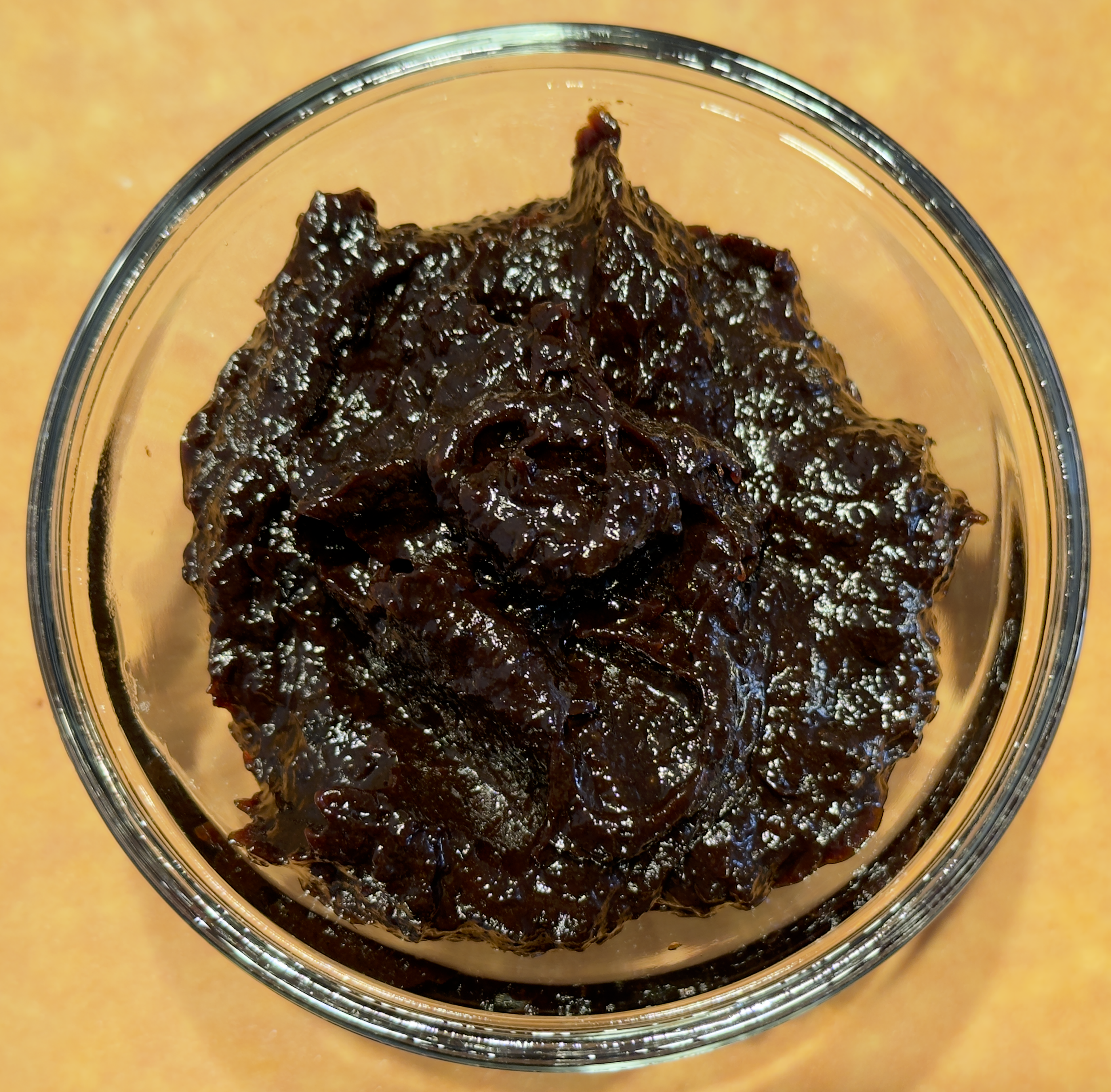
BLACK GARLIC PASTE — FLAVOR BASE No.1 // Prunes, Honey & Rum — Sweet Deep Umami
A deep, sweet-savory black garlic flavor base designed to enrich sauces, meats, and complex culinary preparations.
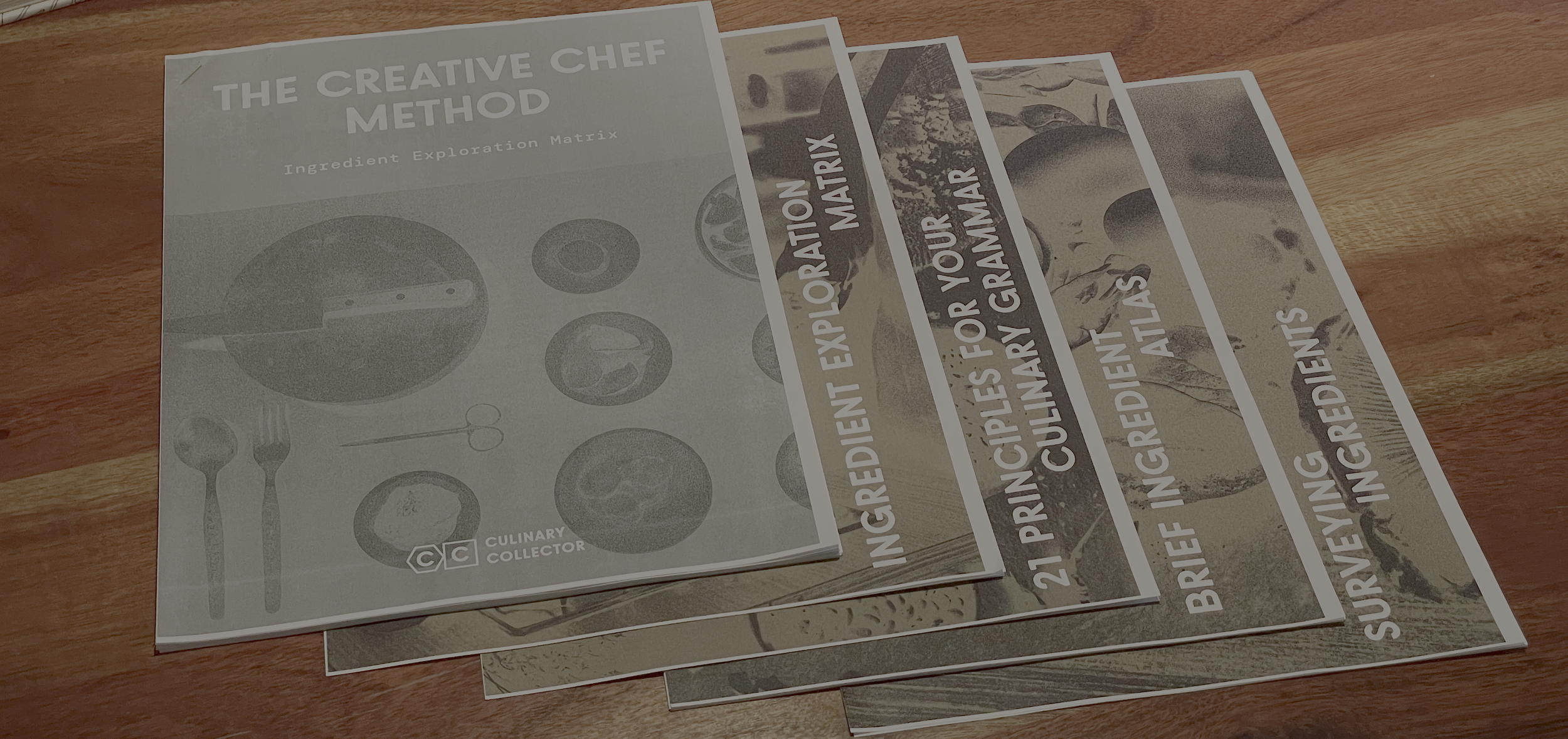
Download the Ingredient Exploration Matrix
A complimentary Culinary Collector tool for ingredient research, creative exploration, and culinary R&D.
Enter your email below to receive the full PDF set.
What to Expect from the Download //
This downloadable set is composed of four parts, it is designed to support and accompany your ingredient exploration journey. Print the guides, and make multiple copies of the template. Use them to make notes, sketch, compare, and begin building your culinary R&D archive.
Learn how to observe ingredients before combining them. This document introduces the five universes of the matrix — Texture, Flavor, Aroma, Technique, and Heritage — and helps you understand ingredients through character, behavior, origin, and context.
01// Surveying Ingredients
02// 21 Principles for your Culinary Grammar
A compact set of creative principles for thinking through flavor, texture, aroma, balance, and transformation. Use these ideas as points of departure when developing pairings, formulas, sauces, garnishes, or new culinary concepts.
A curated ingredient atlas designed to spark discovery. Browse global ingredients, study their profiles and applications, then track your progress as you taste, trial, and map them through the matrix.
03// Brief Ingredient Atlas
04// Ingredient Exploration Matrix
The working template of the guide. Print it, choose one ingredient, map it through the five universes, and use the notes page to build your own archive of taste, observations, pairings, and creative directions.