Sweetness in Cooking — Sweeteners, Balance, Caramelization, and Culinary Depth
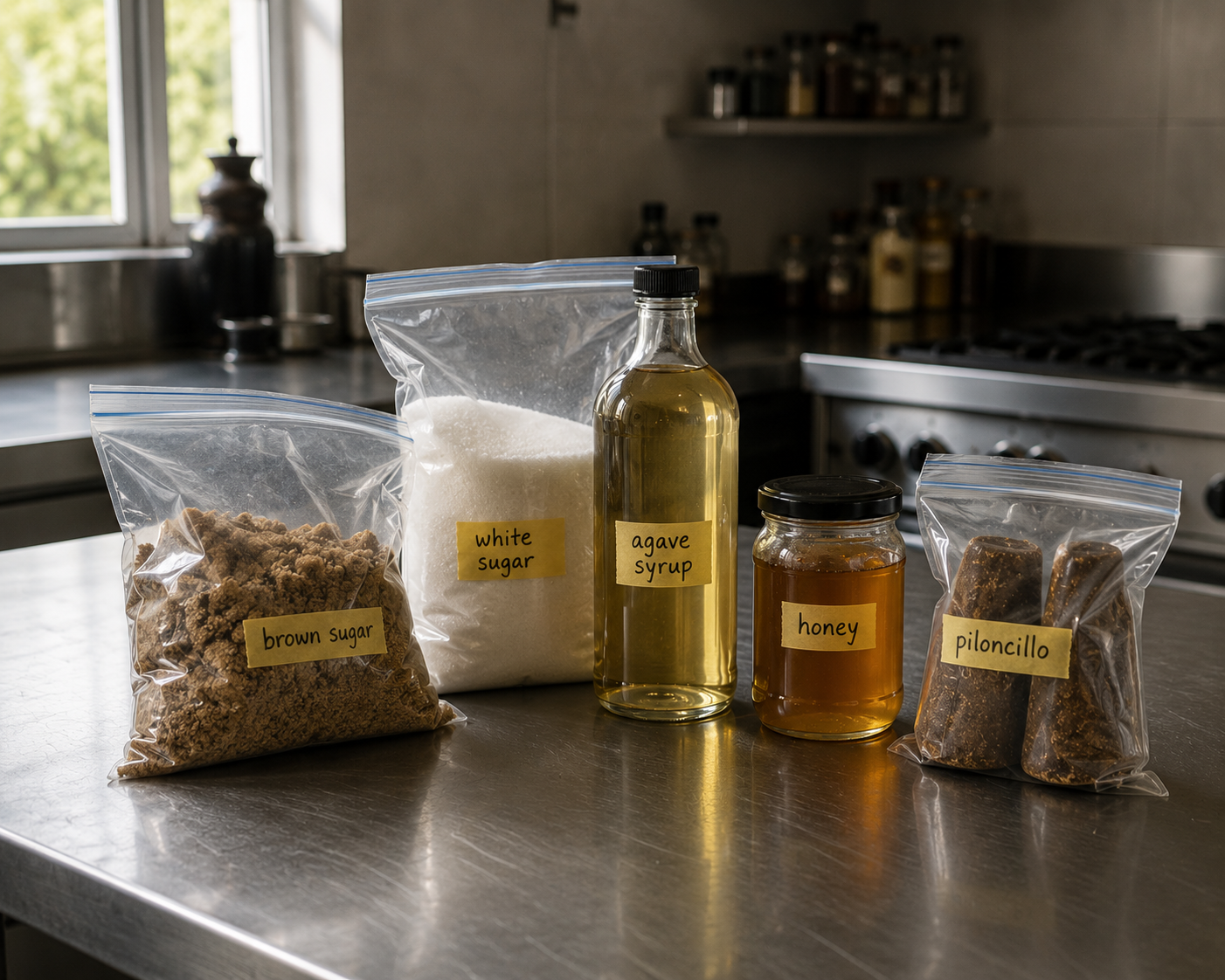
Sweetness is often misunderstood because it is too quickly sent to the world of desserts. When many people hear “sweet,” they think of cakes, pastries, chocolate, ice cream, syrups, and finished sweets. That association is not wrong, but it is incomplete. Sweetness is one of the central forces of cooking. It balances acidity, softens bitterness, rounds salt, supports spice, feeds fermentation, encourages caramelization, and gives body to flavors that might otherwise feel sharp, thin, or unfinished.
A tomato sauce may need a small amount of sugar not to become sweet, but to control acidity. A pickle brine may need sweetness to make vinegar more complete. A dressing may need honey to bring fat, acid, salt, and mustard into balance. Carrots, pumpkin, corn, onions, and roasted roots may need only a small touch of sweetness to reveal what is already inside them. A marinade with sugar may brown quickly over fire. A fermented preparation may depend on sugars as fuel. A sauce may use syrup because liquid sweetness integrates more easily than granulated sugar.
Sweetness is not only a flavor. It is a tool. To understand sweetness in cooking is to understand when it should be visible, when it should disappear into balance, when it should caramelize, when it should preserve, when it should feed fermentation, and when it should be avoided because it will burn, flatten, or push a dish in the wrong direction. Sweetness should can be used by cooks to learn how to round flavor without necessarily making food taste sweet.
What Sweetness Is — Taste, Ingredient, and Effect
Sweetness can come from many sources.
It may come from processed sugars such as cane sugar, beet sugar, brown sugar, powdered sugar, or raw sugars. It may come from less refined sweeteners such as piloncillo, panela, jaggery, muscovado, palm sugar, maple sugar, or coconut sugar. It may come in liquid form through honey, maple syrup, agave syrup, molasses, fruit syrups, simple syrup, rich syrup, date syrup, glucose syrup, or reduced juices.
But sweetness can also come from ingredients themselves.
Onions become sweet when cooked slowly. Carrots carry sweetness. Pumpkin and squash become sweeter when roasted. Corn has natural sweetness. Tomatoes can become sweet through reduction. Dairy can carry a soft sweetness. Grains may taste sweet when toasted or chewed. Fruits bring sweetness with acidity, aroma, fiber, and water. Dried fruits concentrate sweetness through dehydration.
This distinction matters.
Adding sugar to a dish is not the same as reducing onions until they become sweet. Honey is not the same as white sugar. Molasses is not the same as maple syrup. Piloncillo is not the same as simple syrup. Sweet corn does not behave like a spoonful of sugar.
Sweetness is a field of materials, not one substance.
The cook must ask: where should this sweetness come from?
Why Sweetness Matters — Rounding, Revealing, and Balancing
Sweetness has the ability to round flavor.
This is one of its most important culinary functions. A small amount of sweetness can soften harsh acidity, make bitterness more pleasant, support aromatic spices, and help salty flavors feel more complete. It can bring body to sauces, make vegetables taste fuller, and allow sour or spicy elements to sit more comfortably on the palate.
This does not always mean the dish should taste sweet.
In many savory preparations, sweetness works almost like a condiment. It is added in small amounts to reveal something already present. A tomato sauce with high acidity may need a little sugar so the tomato tastes more like itself. A carrot soup may need a touch of sweetness to emphasize the carrot’s natural profile. A squash purée may need honey, maple, or brown butter to deepen its roundness. A dressing may need sweetness to make vinegar feel intentional instead of sharp.
Sweetness can also make aromas easier to perceive. Many aromatic spices, fruits, roasted vegetables, and fermented ingredients become more generous when supported by a small amount of sugar or syrup.
Sweetness can lift what is hidden.
But it can also cover too much.
A dish that is over-sweetened may lose detail. Acid becomes dull. Bitterness disappears. Spice becomes sticky. Salt feels confused. Umami becomes heavy. The cook’s task is not to sweeten everything, but to understand where sweetness gives structure.
Sweetness as Condiment
Sugar can function as a condiment.
This does not mean sprinkling sugar carelessly over savory food. It means using sweetness in small, controlled amounts to season, balance, and reveal flavor. In this sense, sugar sits closer to salt than to dessert.
A pinch of sugar in tomato sauce.
A little honey in mustard dressing.
A spoonful of syrup in a chile marinade.
A small amount of sugar in pickling liquid.
A touch of maple in roasted carrots.
A little piloncillo in a mole or chile sauce.
A trace of sugar in a vinaigrette for bitter greens.
In these cases, sweetness is not the main flavor. It is a balancing force.
This is important for cooks because sweetness is often judged too bluntly. A dish can use sugar without becoming sweet. A sauce can include honey without becoming dessert-like. A pickle brine can contain sugar because vinegar needs structure. A marinade can contain syrup because browning and balance are part of the cooking plan.
The question is not: is there sugar?
The question is: what is the sugar doing?
Sweetness and Natural Sugars
Many ingredients contain natural sugars, and cooking changes how those sugars are perceived.
Carrots, onions, pumpkin, squash, corn, beets, sweet potatoes, tomatoes, fruits, dairy, grains, and some legumes all carry sweetness in different ways. Heat can concentrate, develop, or reveal that sweetness.
Slow cooking onions transforms sharpness into sweetness. Roasting carrots concentrates their sugars and creates caramelized edges. Corn becomes sweeter through heat and salt. Tomatoes become rounder through reduction. Pumpkin becomes deeper when roasted or cooked with fat and spice.
Sometimes a small added sweetener can amplify these natural sugars.
This is different from imposing sweetness from the outside. It is more like adjusting the volume of a flavor already present. A pinch of sugar in a tomato sauce, a touch of honey in roasted carrots, a little maple in squash, or a trace of palm sugar in a coconut curry can bring forward the ingredient’s own direction.
The cook should learn to distinguish between added sweetness and revealed sweetness.
One covers.
The other clarifies.
Sweeteners — Different Materials, Different Voices
Sweeteners are not interchangeable.
They differ in flavor, color, aroma, sweetness intensity, moisture, acidity, mineral content, viscosity, caramelization behavior, and cultural use.
White sugar
Clean, direct, neutral. Useful when sweetness is needed without additional flavor.
Brown sugar
Adds molasses notes, moisture, color, and deeper aroma.
Raw sugars
Can bring more mineral, caramel, or earthy tones depending on processing.
Piloncillo, panela, and jaggery
Less refined cane sweeteners with deep, rustic, molasses-like character. Useful in sauces, drinks, marinades, desserts, and regional preparations.
Palm sugar
Round, caramel-like, often used in Southeast Asian cooking to balance sour, salty, spicy, and bitter elements.
Honey
Floral, aromatic, complex, and variable depending on source. Useful in dressings, marinades, glazes, preservation traditions, desserts, and savory balances.
Maple syrup
Woody, caramel, mineral, and aromatic. Useful with roots, grains, pork, squash, nuts, dairy, and dressings.
Molasses
Dark, bitter, mineral, intense. Useful in marinades, sauces, baked goods, barbecue-style preparations, and deep glazes.
Agave syrup
Liquid, easily dissolving, relatively neutral compared with honey or maple, useful in drinks, dressings, and cold preparations.
Date syrup and fruit syrups
Sweetness with fruit body, darkness, acidity, and regional identity.
Simple syrup and rich syrup
Liquid sugar formats designed for easy integration, especially in drinks, dressings, glazes, and cold preparations.
Each sweetener brings more than sweetness.
It brings direction.
Forms of Sweetness — Granulated, Liquid, Reduced, and Concentrated
The format of a sweetener changes how it behaves.
Granulated sugar dissolves into liquids, but may not integrate immediately into cold preparations. Liquid sweeteners disperse more easily in dressings, marinades, cocktails, sauces, and glazes. Syrups bring sweetness and water. Honey brings viscosity. Molasses brings density and bitterness. Dried fruit brings sweetness with fiber and chew. Reduced juice brings sweetness with acidity and fruit concentration.
This matters technically.
A dressing may be easier to balance with honey or syrup than with granulated sugar. A marinade may need a liquid sweetener to coat evenly. A pickle brine may use granulated sugar because it dissolves into hot vinegar. A glaze may need syrup because it clings. A dessert sauce may need caramelized sugar because the flavor of browned sugar is the point.
Sweetness can be added as:
granulated sugar
syrup
honey
fruit reduction
dried fruit
caramel
molasses
sweet paste
sweet vegetable purée
sweet fermented condiment
The cook chooses not only the sweetener, but the form.
Sweetness and Caramelization
Sweetness changes under heat.
Sugars can caramelize, brown, deepen, and become more complex. They can also burn. This makes sweetness powerful in roasting, sautéing, grilling, baking, glazing, frying, and marinating.
Caramelization creates bitterness, nuttiness, depth, color, and aroma. It is one reason onions become more complex when cooked slowly, and why a little sugar can help create color in certain preparations. A cook may add a small amount of sugar to onions not only to sweeten them, but to help them brown and develop roundness at a particular moment in cooking.
In marinades and glazes, sugar can encourage browning. It can help create lacquered surfaces, sticky edges, and caramelized crusts. But it can also burn quickly, especially over high heat, open flame, broilers, grills, or hot pans.
This is one of the major risks of sweet marinades.
A miso-honey glaze, barbecue sauce, teriyaki-style marinade, tamarind-palm sugar sauce, or chile-syrup coating can become beautiful under controlled heat. Under too much heat, it can blacken before the ingredient cooks.
The cook must manage timing.
Sometimes sugar belongs in the marinade.
Sometimes it belongs in the glaze near the end.
Sometimes it belongs after cooking.
Sometimes it should be reduced or omitted because the cooking method is too aggressive.
Sweetness and heat require attention.
Sweetness and the Maillard Question
Cooks often use the word caramelization broadly when food browns, but different browning processes can be involved.
Caramelization refers to the browning of sugars. The Maillard reaction involves amino acids and reducing sugars interacting under heat, creating complex roasted, nutty, savory, and browned flavors. In practical cooking, both may contribute to the final taste and appearance of roasted vegetables, seared meats, baked goods, fried foods, and sautéed ingredients.
For the cook, the practical lesson is this:
Sugar affects browning.
It can accelerate color. It can deepen crust. It can support roasted aromas. But it can also burn faster than the ingredient cooks through.
This is especially important with onions, sauces, marinades, glazes, and high-heat cooking. A small amount of sugar can help create the final point of color and roundness. Too much sugar can make the surface dark, sticky, bitter, or scorched.
Sweetness is not only flavor.
It changes the cooking process.
Sweetness in Dressings, Pickles, and Marinades
Sweetness is one of the major balancing tools in dressings, pickles, and marinades.
Dressings
A dressing made with oil, vinegar, mustard, and salt may need honey, sugar, maple, fruit, or syrup to soften the acid and connect the structure. Bitter greens often need a little sweetness. Tahini dressings may need honey or date syrup. Yogurt dressings may need a small sweet element if the acidity is sharp.
Pickles
Pickling liquids often use sugar to balance vinegar. The pickle may still taste sharp, but the sugar gives roundness. In fruit pickles, chutneys, relishes, and sweet-sour preparations, sweetness may become more visible.
Marinades
Sweeteners can balance acid, salt, spice, and bitterness. They can also support browning. But because marinades often meet heat, the sugar level must be considered carefully.
A marinade with honey or sugar may need lower heat, shorter exposure to direct flame, wiping before cooking, or glazing only toward the end.
Sweetness inside a preparation must be designed according to what happens next.
Sweetness and Fermentation
Fermentation needs sugars.
Microorganisms feed on sugars and transform them into acids, alcohols, gases, aroma compounds, and other flavor changes depending on the process. This is central to bread, fermented drinks, vinegars, lacto-ferments, fruit ferments, hot sauces, and many preserved preparations.
Sugar can be natural or added. Fruits bring their own sugars. Grains offer starches that can be converted. Vegetables contain varying levels of sugars. Honey, cane sugar, palm sugar, or syrups may be added in some processes.
But sugar also creates risk.
Where there is sugar, moisture, warmth, and time, fermentation can begin even when the cook did not intend it. A sweet marinade left too long at the wrong temperature, a syrup held improperly, fruit mixed with salt and herbs, a dressing with sweetener and fresh ingredients, or a condiment left unrefrigerated can begin changing in unwanted ways.
This does not mean sugar is dangerous by itself.
It means sugar participates in life processes.
The cook must manage time, temperature, cleanliness, salt, acidity, and storage. Sweet preparations require observation, especially when they contain fresh fruit, herbs, garlic, water, or fermented ingredients.
Sweetness can feed flavor.
It can also feed spoilage.
Sweetness and Preservation
Sugar can preserve when used in sufficient concentration and proper technique.
Jams, jellies, syrups, candied fruits, fruit preserves, chutneys, honey preserves, confitures, and certain sweet pickles use sugar as part of preservation logic. Sugar binds water, concentrates flavor, changes texture, and creates environments where spoilage is slowed when handled correctly.
Honey has long been used in preservation and medicinal food traditions because of its density, low water activity, and antimicrobial qualities, though it must still be handled properly in culinary preparations. Fruits preserved in syrup, citrus peels candied in sugar, or chutneys cooked with sugar and acid all show how sweetness can hold flavor over time.
But as with acid and fat, preservation requires discipline.
A little sugar does not make something shelf-stable. A sweet sauce is not automatically preserved. A syrup can ferment if diluted or contaminated. A jam needs proper sugar, acid, cooking, jars, and storage. A honey-based preparation can still spoil if water and fresh ingredients are introduced.
Sugar preserves only when the process is designed for preservation.
Sweetness and Acid
Sweetness and acid are one of the great balancing relationships in cooking.
Acid gives sharpness, brightness, and appetite. Sweetness gives roundness, body, and softness. Together they create sweet-sour sauces, pickles, shrubs, gastriques, chutneys, fruit dressings, tamarind sauces, citrus desserts, and many marinades.
A tomato sauce shows this clearly. If the tomatoes are too acidic, a small amount of sugar can round the sauce. But the goal is not to make the sauce sweet. The goal is to allow the tomato to taste complete.
In pickling, sugar gives vinegar structure. In tamarind sauces, sweetness makes sourness more usable. In citrus dressings, honey can prevent acid from becoming too sharp. In fruit-based sauces, acid prevents sweetness from becoming heavy.
The cook should taste for tension.
Too much acid becomes harsh.
Too much sweetness becomes dull.
Together, they can create appetite.
Sweetness and Salt
Salt and sweetness reveal each other.
Salt can make sweetness taste more vivid. Sweetness can make salt feel rounder. This is why salted caramel works, why fruit with salt can taste brighter, why a tomato sauce may need both salt and sugar, and why many marinades or sauces rely on the two together.
In savory cooking, this relationship is often subtle. A pinch of sugar and proper salt can make vegetables taste more complete. A sweet soy-style glaze depends on salt and sweetness working together. A pickle brine uses salt, sugar, and acid as a triangle. A barbecue-style sauce may rely on salt, sweet, smoke, acid, and spice.
Salt prevents sweetness from floating away.
Sweetness prevents salt from becoming blunt.
Together, they create roundness.
Sweetness and Bitterness
Sweetness can soften bitterness, but it should not always erase it.
Bitter greens, charred vegetables, coffee, cacao, citrus peel, radicchio, endive, burnt sugar, molasses, and toasted spices all show how bitterness can become beautiful when balanced. Sweetness can make bitter elements more accessible while preserving their structure.
A dressing for bitter greens may need honey. Chocolate needs sugar to reveal its complexity. Coffee can take sweetness differently depending on roast and extraction. Grapefruit may need salt or sugar. Charred carrots may become more complete with honey and vinegar.
But sweetness can also flatten bitterness if overused.
Bitterness gives maturity. Sweetness should shape it, not remove it.
Sweetness and Spice
Sweetness changes the experience of spice.
It can soften chile heat, reveal fruitiness in dried chiles, make pungent spices feel warmer, and help balance sharp condiments. Many chile sauces, glazes, curries, marinades, chutneys, and hot sauces use sweetness to support heat.
Palm sugar with chile and lime.
Honey with mustard and pepper.
Piloncillo with dried chiles.
Fruit with habanero.
Maple with smoked chile.
Sugar with ginger and vinegar.
Sweetness can make spice feel generous instead of aggressive.
But it can also make spice sticky and heavy if not balanced with acid, salt, or bitterness. Sweet heat works best when the sweetness has a job beyond pleasing the palate. It should carry spice, not bury it.
Sweetness and Umami
Sweetness can support umami by giving it roundness and length.
Tomatoes, onions, mushrooms, soy sauce, miso, roasted vegetables, browned meats, seafood, and fermented ingredients often benefit from a controlled sweet element. This is why many umami-rich sauces also include sweetness: not necessarily to become sweet, but to complete the depth.
Miso can pair with honey. Soy sauce can pair with sugar. Tomato can pair with a pinch of sugar. Roasted onions can sweeten broths. Dried fruits can deepen stews. Molasses can support smoky, savory sauces.
Sweetness can make umami feel fuller.
But too much sweetness can make umami heavy. Acid, bitterness, spice, or herbs may be needed to keep the dish alive.
Cultural Palates and Sweetness
Sweetness is cultural.
Some cuisines use sweetness openly in savory cooking. Others use it quietly. Some build sweet-sour structures. Some use fruit with meat. Some use sugar in marinades, sauces, pickles, or braises. Some avoid obvious sweetness in savory dishes but still rely on natural sugars from onions, tomatoes, carrots, or grains.
A few examples show the range:
Tomato sauces may use sugar to balance acidity.
Many Southeast Asian preparations use palm sugar to balance sour, salty, spicy, and bitter elements.
Barbecue traditions often use molasses, brown sugar, honey, or fruit to build glaze and smoke balance.
Mexican sauces may use piloncillo, fruit, chocolate, or dried fruits in relation to chiles and spices.
Pickling traditions around the world use sugar differently, from barely perceptible balance to strong sweet-sour profiles.
North African and Mediterranean dishes may pair dried fruits with meats, legumes, spices, and preserved ingredients.
Japanese and Korean preparations often use sweetness in sauces, marinades, and glazes with soy, rice wine, vinegar, or fermented pastes.
The cook should not judge sweetness only by personal preference. It must be understood within a palate system.
Sweetness can be subtle, bold, structural, ceremonial, preserving, or comforting depending on culture and context.
Application — When to Add Sweetness
Timing matters.
Before cooking
Sweetness can enter marinades, brines, cures, and doughs. It can balance, feed fermentation, or prepare browning. Risk: burning, unwanted fermentation, or excessive surface darkening.
During cooking
Sweetness can help build sauces, caramelize onions, balance tomato acidity, deepen reductions, or develop glazes. Risk: scorching or over-concentration.
Near the end
Sweetness can correct acidity, bitterness, salt, or spice without long cooking. Risk: it may feel disconnected if not dissolved or integrated.
At service
Honey, syrups, sweet dressings, fruit preserves, or sweet condiments can finish dishes. Risk: obvious sweetness may dominate if the dish lacks acid or salt.
The right moment depends on the desired effect: balance, browning, preservation, fermentation, aroma, texture, or final contrast.
Practical Notes — Common Mistakes
Assuming sweetness means dessert
Sweetness is also seasoning, balance, preservation, fermentation, and texture.
Adding too much too soon
Sugar can burn, especially in marinades, glazes, and high-heat cooking.
Ignoring natural sugars
Onions, carrots, tomatoes, corn, squash, and fruits may already carry sweetness.
Using the wrong sweetener
White sugar, honey, molasses, maple, palm sugar, and piloncillo do not behave the same way.
Forgetting acid
Sweetness often needs acid to stay alive.
Forgetting salt
Salt helps sweetness become precise.
Confusing balance with sweetness
A dish can contain sugar without tasting sweet.
Ignoring fermentation risk
Sugar, moisture, warmth, and time can produce unwanted fermentation if not controlled.
Assuming sugar preserves automatically
Preservation requires proper concentration, method, cleanliness, and storage.
Creative Exercise — One Ingredient, Four Sweetness Strategies
Choose one ingredient: tomatoes, carrots, onions, pumpkin, corn, mushrooms, cabbage, or chiles.
Prepare four small tests.
1. No Added Sweetener
Cook the ingredient with salt and fat only.
2. Direct Sugar
Add a small pinch of white or brown sugar.
3. Liquid Sweetener
Use honey, maple, agave, or simple syrup.
4. Developed Sweetness
Use reduction, roasting, caramelized onion, dried fruit, or a sweet vegetable purée.
Taste and document.
Which version tasted sweetest?
Which tasted most balanced?
Which browned fastest?
Which had the best aroma?
Which felt artificial?
Which revealed the ingredient’s natural sweetness?
Which needed acid?
Which needed salt?
Which would work in a dressing, marinade, pickle, sauce, or soup?
This exercise teaches sweetness as a decision, not an assumption.
Closing — Sweetness as Structure
Sweetness is not necessarily confined to dessert. It belongs to sauces, dressings, pickles, marinades, ferments, glazes, stews, roasted vegetables, condiments, beverages, and preservation. It can be direct or hidden, added or developed, refined or rustic, liquid or crystalline, natural or transformed. To cook well with sweetness is to understand its role:
Does the dish need balance?
Does acidity need softening?
Does bitterness need structure?
Does spice need support?
Does the surface need browning?
Does fermentation need fuel?
Does preservation require sugar?
Does the ingredient already contain sweetness that can be revealed?
Sweetness is not simply pleasure. It is a way to round, deepen, preserve, transform, and complete flavor.