Chiles — Heat, Fruit, Smoke, and the Culinary Grammar of Fire
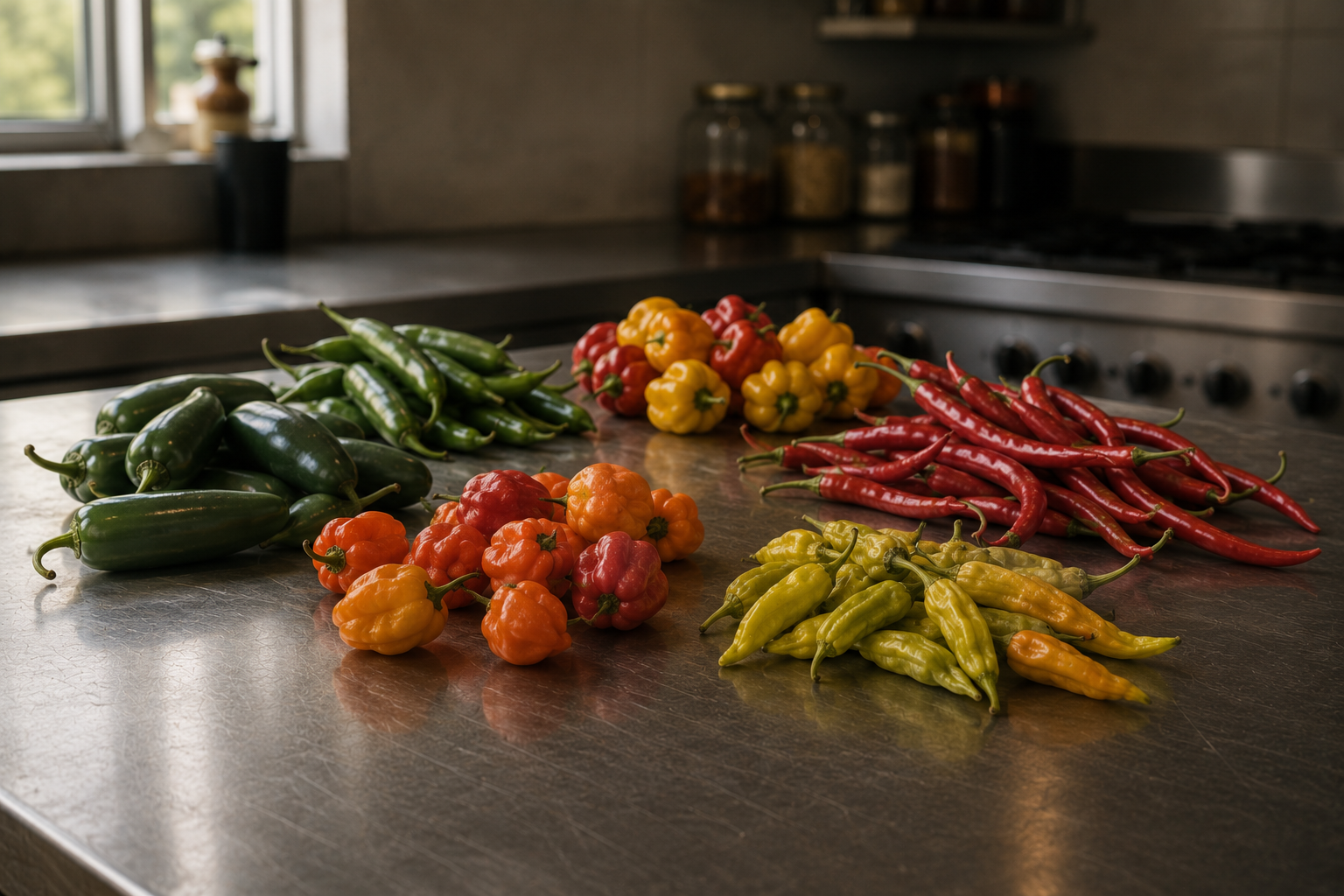
Chiles are often reduced to one idea: heat.
But heat is only the doorway. A chile can be fruity, grassy, floral, smoky, bitter, sweet, sharp, fermented, earthy, or almost raisin-like. It can enter a dish at the beginning, cooked slowly into a sauce or stew, or arrive at the very end, added fresh, powdered, pickled, or fermented by the person eating.
To understand chiles is to understand one of the most expressive ingredients in the kitchen. They can season, preserve, color, perfume, provoke appetite, create rhythm, and define identity. In some cuisines, they are background warmth. In others, they are the central architecture of flavor.
This article is not an absolute guide to every chile in the world. That would be impossible. It is an introduction to the culinary grammar of chiles, with particular attention to two vast areas where they have become deeply embedded in daily cooking and cultural identity: Latin America, especially Mesoamerica and the Andean region, and Asia, especially Southeast Asia, Korea, China, and South Asia.
The goal is to understand chiles not only as ingredients, but as materials of transformation.
What Chiles Are — Fruit, Fire, and Flavor
Chiles are fruits from plants in the Capsicum genus. Their heat comes primarily from capsaicin, a compound concentrated in the inner membranes and, to a lesser degree, around the seeds. But the culinary value of chiles is not limited to capsaicin.
Each chile has its own profile. Some are bright and vegetal when fresh. Some become smoky when dried over fire. Some become sweet and leathery through drying. Others become sharp and alive through fermentation. A fresh jalapeño and a dried chipotle may come from the same pepper, but they behave almost like different ingredients.
This is why chiles should be approached through several lenses:
Freshness: green, red, ripe, raw, cooked
Processing: dried, smoked, powdered, fermented, pickled
Heat level: mild, medium, hot, extreme
Flavor: fruity, grassy, floral, bitter, smoky, sweet, earthy
Function: base, seasoning, condiment, garnish, preservation tool
A chile is not just “spicy.” It is a flavor system.
Why Chiles Matter — Culture, Appetite, and Identity
Chiles have a deep relationship with place.
In Mesoamerica, chiles were central long before they traveled across the world. They became part of salsas, moles, recados, adobos, stews, tamales, drinks, and everyday table condiments. In Mexico, the diversity of chiles is foundational to the cuisine. In Guatemala, chiles appear in recados, sauces, pickles, and regional preparations. In Peru and the Andean world, ají varieties bring fruitiness, color, and identity to dishes such as ají amarillo sauces, rocoto preparations, and seafood condiments.
After the Columbian exchange, chiles traveled widely and transformed cuisines across Asia, Africa, Europe, and beyond. In Asia, they became essential to dishes, condiments, and fermented pastes: Thai curry pastes, Vietnamese dipping sauces, Korean gochujang, Chinese chile oils, Sichuan doubanjiang, Indian masalas, sambals across Southeast Asia, and countless regional preparations.
This is one of the great lessons of culinary history: an ingredient can leave its place of origin and become deeply rooted somewhere else. Chiles are not only a Mesoamerican inheritance. They are also part of how many cuisines now define themselves.
To study chiles is to study movement, adaptation, and the way cultures make an ingredient their own.
The Variables — Fresh, Dried, Powdered, Fermented
Fresh Chiles
Fresh chiles bring brightness, moisture, and immediate aroma. They can be grassy, citrusy, fruity, vegetal, or floral. They are useful for raw salsas, dipping sauces, quick pickles, stir-fries, soups, salads, and garnishes.
Fresh chiles often behave like herbs or vegetables. Their texture matters. Their color matters. Their crunch, juiciness, and sharpness can lift a dish at the end.
Common uses: raw salsa, ceviche, herb sauces, stir-fries, fresh relishes, pickled garnishes.
Dried Chiles
Drying changes the chile completely. Moisture leaves, sugars concentrate, skins toughen, and the flavor deepens. Dried chiles can taste like smoke, tobacco, raisins, prunes, leather, cocoa, or toasted fruit.
They often need to be toasted, soaked, blended, fried, or simmered. In Latin American cooking, dried chiles become the backbone of moles, adobos, recados, marinades, soups, and sauces. In many Asian cuisines, dried chiles are fried in oil, ground into powders, simmered into pastes, or used whole to perfume a dish.
Common uses: adobos, moles, chile oils, broths, braises, rubs, spice blends.
Chile Powders
Chile powder is convenient, but quality matters enormously.
A chile that was recently dried and ground will carry aroma, color, and complexity. A chile powder that has been sitting for too long, exposed to air, heat, and light, may retain heat but lose much of its personality.
This is why tasting your chile powder matters. Smell it before using it. If it smells flat, dusty, or stale, it will not bring much to your dish.
Best practice: buy small amounts, store airtight, keep away from light and heat, and replace regularly.
Fermented Chiles
Fermentation gives chiles a different kind of depth. It softens their raw sharpness and introduces acidity, funk, and complexity. Fermented chile preparations can be fresh and bright, or deep and aged.
Examples include lacto-fermented hot sauces, Korean gochujang, Chinese doubanjiang, certain sambals, fermented chile pastes, and house-made brined chile condiments.
Not all chile sauces are fermented. Some are cooked. Some are vinegar-based. Some are raw. Some are sweetened. Understanding the difference helps the cook use them with more precision.
Fermented chile logic: heat + salt + time + microbial transformation.
Selected Chiles from Latin American Traditions
This is not a complete list. It is a selected orientation to help build awareness.
1. Jalapeño
Fresh, green, grassy, medium heat. Used raw, pickled, roasted, or smoked into chipotle.
2. Serrano
Sharper and often hotter than jalapeño. Excellent in raw salsas, herb sauces, and fresh condiments.
3. Poblano
Mild, vegetal, and broad in flavor. Often roasted, peeled, stuffed, or used in rajas.
4. Chipotle
Smoked dried jalapeño. Deep, sweet, smoky, and excellent in adobos, marinades, beans, and sauces.
5. Ancho
Dried poblano. Mild, dark, fruity, with notes of raisin and cocoa. Foundational in moles and adobos.
6. Guajillo
Bright red, moderately mild, fruity, slightly tannic. Often used in Mexican sauces, marinades, and broths.
7. Pasilla
Dark, earthy, complex, with dried fruit notes. Excellent in sauces, soups, and slow-cooked preparations.
8. Chile de Árbol
Small, hot, direct, and sharp. Useful in oils, salsas, toasting, and finishing heat.
9. Ají Amarillo / Rocoto
Important in Andean cuisines, especially Peru. Ají amarillo is fruity and golden; rocoto is thick-fleshed, aromatic, and hot.
Selected Chiles and Chile Preparations from Asian Traditions
Again, this is a starting point, not a complete map.
1. Thai Bird’s Eye Chile
Small, intense, sharp, and bright. Used fresh in Thai salads, pastes, dipping sauces, and stir-fries.
2. Prik Chee Fah
A larger Thai chile, often used for color, aroma, and moderate heat in curries and garnishes.
3. Korean Gochugaru
Sun-dried Korean chile flakes or powder. Fruity, red, moderately hot, essential for kimchi and gochujang.
4. Gochujang
Korean fermented chile paste made with chile powder, glutinous rice, fermented soybean components, salt, and sweeteners. Sweet, spicy, fermented, and deeply savory.
5. Sichuan Er Jing Tiao / Facing Heaven Chiles
Chinese chiles often used in Sichuan cooking for fragrance, color, and heat, especially in oils and stir-fries.
6. Doubanjiang
A fermented paste from Sichuan, often made with broad beans, chiles, salt, and fermentation. Salty, spicy, fermented, and intense.
7. Kashmiri Chile
Known for brilliant color and mild to medium heat. Often used in Indian cooking for warmth and red color.
8. Dried Indian Red Chiles
A broad category used in tempering, spice blends, chutneys, and masalas. Their role depends heavily on variety and regional use.
9. Sambal-Based Chile Pastes
Common across Indonesia, Malaysia, Singapore, and surrounding regions. Sambals may be raw, cooked, fermented, sweet, sour, shrimp-based, or purely chile-forward.
Application — When Chiles Enter the Dish
One of the most important questions is not only which chile, but when.
At the Beginning
Chiles cooked early become part of the structure of the dish. They infuse oil, season sauces, deepen stews, and merge with aromatics.
Examples: curry paste fried in oil, dried chiles toasted for mole, chile oil base, sofrito with chile.
In the Middle
Chiles added during cooking can shape the body of a sauce or broth. They integrate, but still retain some identity.
Examples: braised chile sauces, simmered sambals, chile-tomato bases, stews.
At the End
Chiles added at the end remain sharper, fresher, and more personal. This is common in table condiments, raw salsas, fresh sliced chiles, chile oils, and pickled chiles.
Examples: lime-chile relish, fresh herbs with chile, chile crisp, pickled jalapeños, sambal on the side.
This difference matters. A chile cooked into a dish and a chile added at the table do not have the same role. One becomes architecture. The other becomes accent.
Flavor Relationships — What Chiles Need Around Them
Chiles rarely work alone. Their force becomes more interesting when placed in relation to other flavor elements.
Chile + Salt
Salt sharpens chile and makes heat feel more direct. This is why chile salts, tajín-style seasonings, salted sambals, and fermented chile pastes are so effective.
Chile + Sweetness
Sweetness softens heat and extends fruitiness. Think mango with chile, honey-chile glazes, sweet soy with chile, piloncillo, palm sugar, or sweet fermented pastes.
Chile + Acidity
Acid brightens heat. Lime, vinegar, tamarind, citrus, fermented brines, and sour fruits make chile feel more alive.
Chile + Fat
Fat carries capsaicin and rounds the impact. Oils, nuts, seeds, dairy, coconut milk, avocado, and animal fats can soften or extend chile intensity.
Chile + Umami
Soy sauce, miso, mushrooms, seaweed, fish sauce, fermented beans, tomato, and aged ingredients make chile feel deeper and more complete.
Chile + Bitterness
Bitterness can make chile more adult, complex, and restrained. Cacao, coffee, charred vegetables, toasted spices, and some dried chiles create this darker register.
Nutrition and Appetite
Chiles are not only flavor agents. They also carry nutritional value. Fresh chiles can contain vitamin C, carotenoids, and other plant compounds. Their color often signals antioxidant potential, especially in red and orange varieties.
Capsaicin can stimulate appetite, circulation, and sensory awareness, although tolerance varies widely. This is important in cooking: heat is not a competition. It is a design choice.
A good chile preparation does not simply burn. It opens appetite, creates focus, and invites another bite.
Practical Notes — Handling Chiles With Care
Chiles require respect.
Capsaicin can remain on the skin and transfer to the eyes, nose, mouth, cutting boards, towels, or other foods. Strong chiles should be handled carefully, especially when cutting large quantities.
Best Practices
Use gloves when handling very hot chiles.
Avoid touching your face while working.
Wash knives, boards, and hands thoroughly.
Remove inner membranes if you want less heat.
Toast dried chiles carefully; burning them creates bitterness and harsh fumes.
Store dried chiles and powders away from heat, light, and moisture.
Taste gradually. You can always add more heat, but it is difficult to remove.
Heat should be intentional, not accidental.
Creative Expansion — Building Your Chile Vocabulary
To build fluency with chiles, choose one fresh chile, one dried chile, one powder, and one fermented chile paste. Taste each one in a simple preparation.
Try this:
fresh chile in a raw salsa
dried chile in a cooked sauce
chile powder in a dry rub
fermented chile paste in a dressing or marinade
Document what changes.
Ask yourself:
What kind of heat does it bring?
Is it sharp, slow, smoky, fruity, bitter, or sweet?
Does it work better raw or cooked?
Does it need acid, fat, salt, or sweetness?
Does it belong inside the dish, or on the table?
This is how chile knowledge becomes culinary grammar.
Closing — Fire as Language
Chiles are one of the great instruments of flavor. They carry fire, but also fruit, smoke, color, acidity, bitterness, sweetness, and memory. To cook with chiles well is not simply to make food spicy. It is to understand how heat moves through a dish, how cultures have shaped that heat into identity, and how the cook can use it with intention. Chiles teach us that fiery is not only a force. It is a language.