Menu Matters: The Invisible Architecture Behind Every Meal
From a casual picnic to a formal dinner, a menu is the structural blueprint of the dining experience
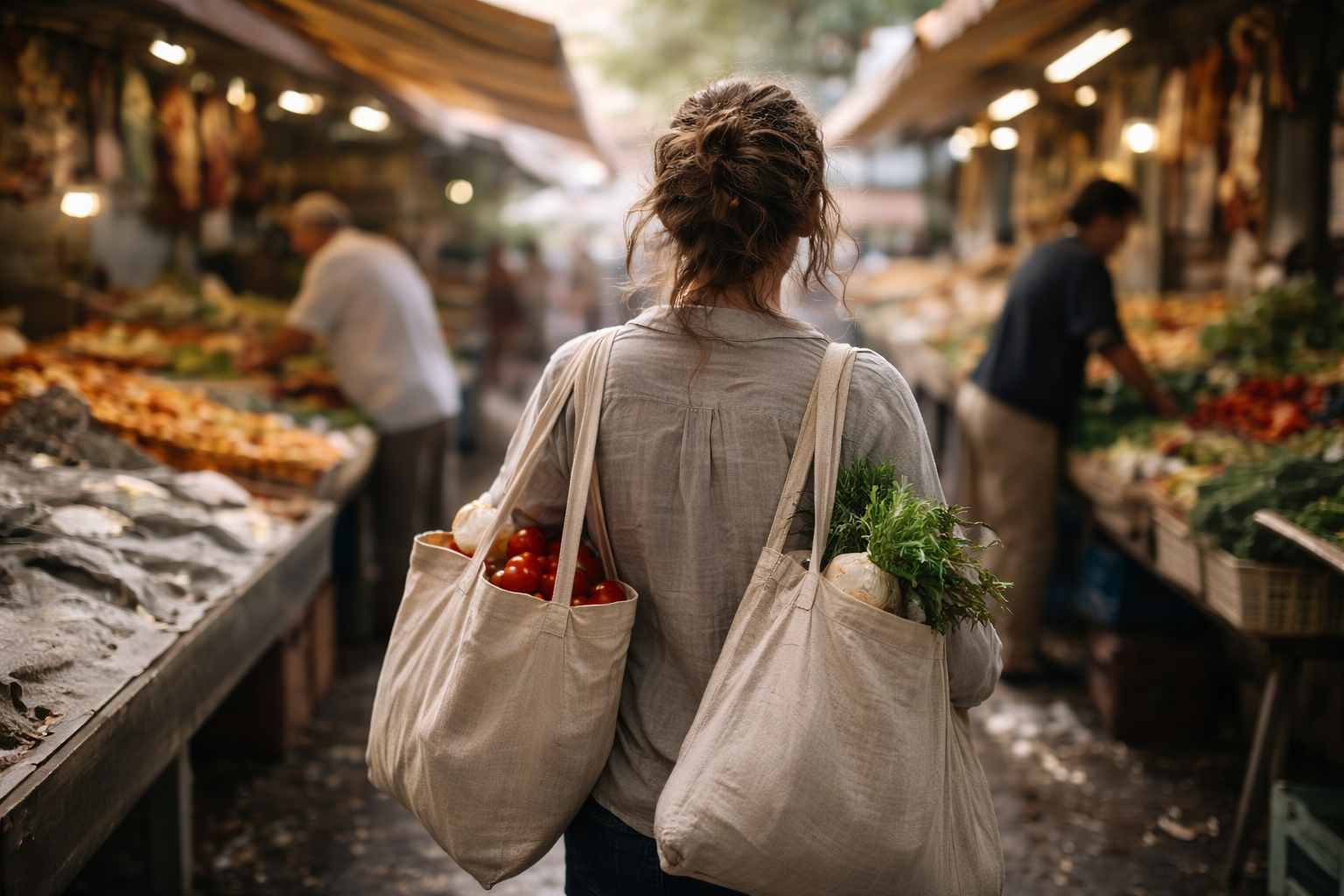
I know I am designing a menu long before I step into the kitchen. It begins at the market. Standing in front of crates of produce, I feel the first tension. If I take the fennel, what will it sit next to? If I choose tomatoes, how many ways can I let them speak without exhausting them? If I commit to grilling fish, what will cool it down? What will sharpen it? What will anchor it? The basket begins to fill, and with it, a sequence starts forming in my mind. It seems that there is a common misunderstanding about menus: most people think a menu is just a list. It isn’t. A menu is a structure. It is the invisible architecture behind what you are about to eat.
We encounter menus more often than we realize. The lunchbox you pack before work — sandwich, fruit, something sweet — that is a menu. The casual “spaghetti and salad tonight” is a menu. The picnic wrapped in paper, designed to be eaten on a bench without ceremony, is a menu. Even the question, “What’s for dinner?” is an invitation to reveal one. A menu is not about complexity. It is about coherence. When someone you invite over insists on bringing a random salad to “help,” you feel kind of awkward, because it is not about control. It is about architecture. You have imagined a sequence.
Menus operate at multiple levels simultaneously. They manage appetite. Too much repetition dulls the senses. Tomato juice, tomato soup, tomato pasta, tomato dessert — even if each dish is good, together they collapse into monotony. They manage temperature. A cold starter awakens differently from a warm one. A heavy dish early in the sequence reshapes everything that follows. Menus manage space. A bowl of soup assumes a table and a spoon. A banh mi wrapped in paper invites a bench and a napkin. The menu quietly dictates posture.
Menus manage logistics. When dinner is announced at a wedding, and hundreds rise at once, that, too, is orchestration. Timing, volume, sequence — they are not romantic details. They are structural necessities. And they also manage imagination. Before the first bite arrives, the menu has already begun cooking in the guest's mind. The words activate memory. Anticipation builds. Appetite organizes itself around expectation. That is why menu matters. It is the moment when ingredients stop being isolated possibilities and become a narrative.
When I fill my basket at the market, I am not just buying vegetables and fish for preparing a meal. I am designing an experience that must make sense as a whole. Not just in flavor, but in movement. The serious cook understands this instinctively. The professional cook must deliberately refine it. A menu is not a collection of good ideas. It is a conversation between them. And whether you are feeding two people at home or two hundred at an event, the architecture remains the same. Menu matters because it is the first act of orchestration. Everything else is execution.
Menu Matters: The Invisible Architecture Behind Every Meal