Horchata Journeys: From Chufa to Cacao
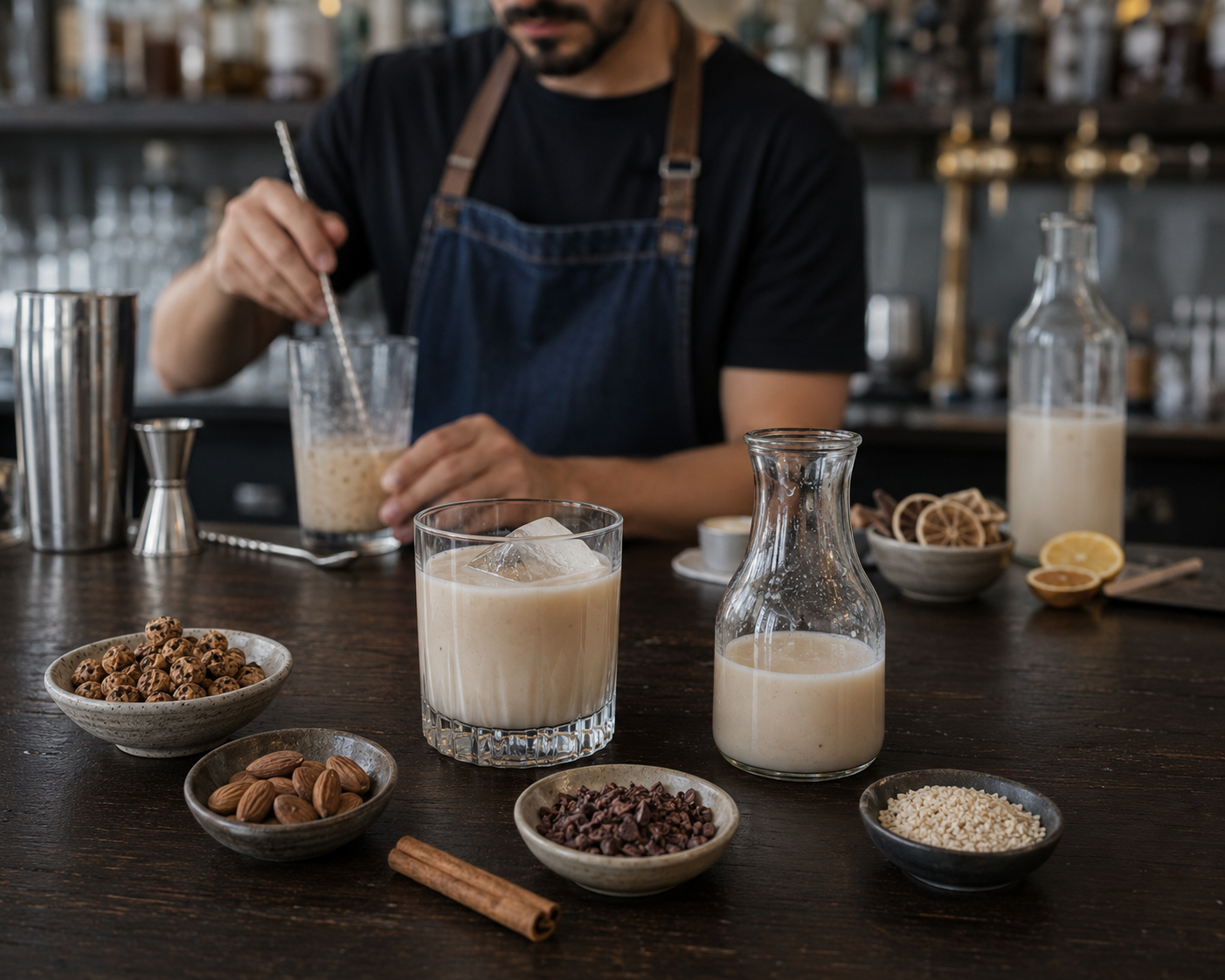
A Drink of Memory and Migration
Every region in the world has its way of cooling down under the sun, but few drinks tell a story of migration like the horchata. Born in the Mediterranean from the chufa (tiger nut) fields of Valencia, the drink traveled with colonizers and merchants to Mesoamerica, where maize, rice, almonds, peanuts, and sesame replaced chufa, and where cinnamon, vanilla, and sugarcane transformed it into something new.
From Guatemala to Mexico to El Salvador, each version carries its own rhythm, some thick and nutty, others light and spiced, and each a fresco of geography and imagination, an edible echo of how ingredients travel and adapt. Horchata is more than a drink. It’s a journey in a glass, from African roots and Mediterranean fields to Mesoamerican kitchens. It reminds us that recipes travel like rivers: absorbing, adapting, flowing. Every sip is a connection to centuries of exchange and a quiet moment of incredible sweetness, shared across time.
The Fusion Logic — Creaminess Meets Spice
Think of horchata as a canvas for texture and aroma. Its base can be water, milk, or plant milk. Its sweetness, a variable note. Its essence is always about balance; smooth and fragrant, rich yet refreshing.
Nine Horchatas for Every Imagination
1. Traditional Valencian Horchata de Chufa
Tiger nuts soaked overnight, blended with water, sugar, and lemon zest — the Mediterranean ancestor.
2. Mexican Rice & Cinnamon Horchata
Long-grain rice, cinnamon sticks, vanilla, milk, and ice — classic market style.
3. Salvadoran Morro Seed Horchata
Toasted morro seeds, sesame, peanuts, and cacao — intensely nutty and aromatic.
4. Guatemalan Coconut-Peanut Horchata
Coconut milk, ground peanuts, vanilla, and sugarcane — lush and tropical.
5. Matcha-Horchata Fusion
Japanese tea meets Mesoamerica — rice base with matcha and almond milk.
Earthy, green, meditative.
6. Chai-Horchata
Rice and oat milk infused with black tea, cardamom, and cinnamon.
A dialogue of spice routes.
7. Cacao-Almond Horchata
Toasted almonds and cacao nibs — served chilled, with a hint of orange zest.
8. Sesame-Honey Horchata
Sesame paste (tahini style) with honey and oat milk — creamy, fragrant, minimalist.
9. Coffee-Horchata Cocktail
Cold-brew coffee, rice milk, and vanilla rum over ice — where fresco meets aperitif.
Serving Ritual — From Jar to Glass
Horchatas are meant to be poured generously from heavy jugs into glass tumblers filled with ice, the sound of liquid meeting glass like a small act of joy.
Garnish with cinnamon dust, citrus peel, or crushed nuts. Serve in clay mugs or tall glasses, and if you wish to turn it into a cocktail, try adding mezcal, rum, or espresso liqueur, a fusion of refreshment.
Cultural Note — From Chufa Fields to Central American Kitchens
The Spanish horchata de chufa is ancient — a Moorish legacy made from soaked tiger nuts, strained and sweetened, sipped cold in the Mediterranean heat. When the recipe crossed the Atlantic, it met new worlds of grain and seed. Rice, almonds, and peanuts took the chufa’s place. Cacao and vanilla whispered in, and slowly, horchata became one of Mesoamerica’s most comforting drinks — offered at markets, birthdays, roadside stands, and family gatherings.
In El Salvador, you’ll find horchata made with toasted sesame and morro seeds. in Mexico, it’s pale white and rice-based, scented with cinnamon; in Guatemala, you might taste hints of cinnamon and roasted peanuts. It’s a drink of invention — never fixed, always personal.
Page-to-Plate Insights
Use them to spark action, refine your notes, and carry your creative process from the open page to a served table.
As you experiment with horchatas, write down how different grains change the body and mouthfeel. Try toasting one ingredient — rice, sesame, or coconut — to deepen flavor.
Explore your own version: What does home taste like in your horchata?