Restaurant Menu Development & Consulting
Whether you are opening a restaurant or trying to understand why an existing one is struggling, the menu is the first place I look.
Renato Osoy Chef, Restaurant Operator & Culinary Consultant
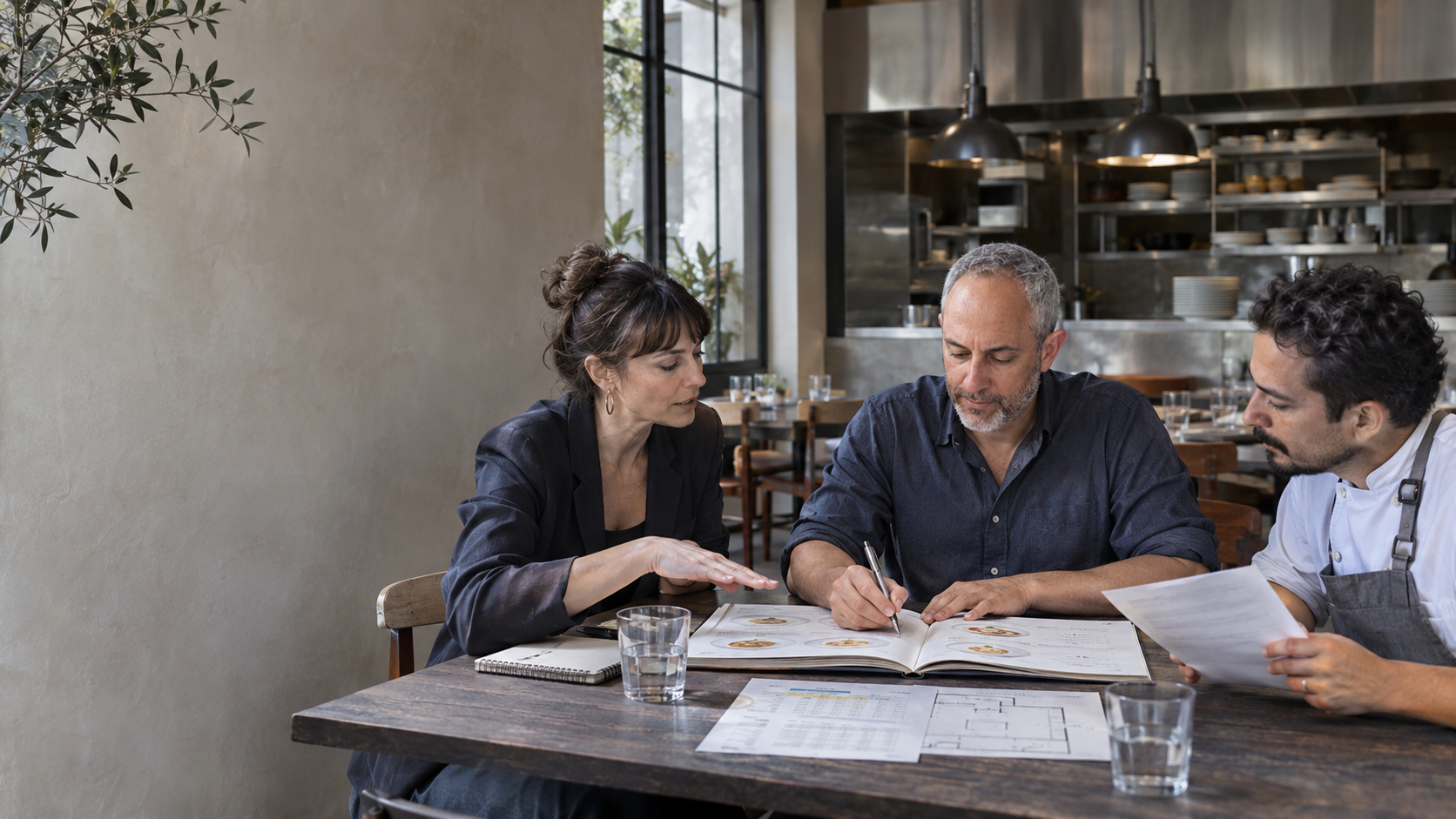
I help restaurant owners and culinary teams understand what their menu is doing, identify where it is creating pressure, and develop a menu the kitchen can execute and the business can sustain.
Does any of this sound familiar?
“The kitchen is working hard, but the numbers are not improving.”“We keep adding dishes, but the menu feels less coherent.”“Our most popular dishes are not necessarily helping the business.”“One station is always under pressure.”“Food cost keeps changing, and we cannot see exactly why.”“We know what kind of restaurant we want, but we still do not know what the menu should be.”“We are planning the kitchen before we have established what it needs to produce.”These may appear to be separate culinary, staffing, purchasing, pricing, or service problems. Often, however, they meet in the same place: the menu.
The restaurant begins with a working menu
A restaurant may begin as an idea, but the idea cannot be properly evaluated until it becomes a menu. The first menu does not need to be final. It needs to be concrete enough to question.
Who is this menu for?
What kind of kitchen does it require?
What must the restaurant purchase, prepare, and store?
How many people will be needed to execute it?
Where will production pressure accumulate?
What could it reasonably cost?
What could the restaurant earn from it?
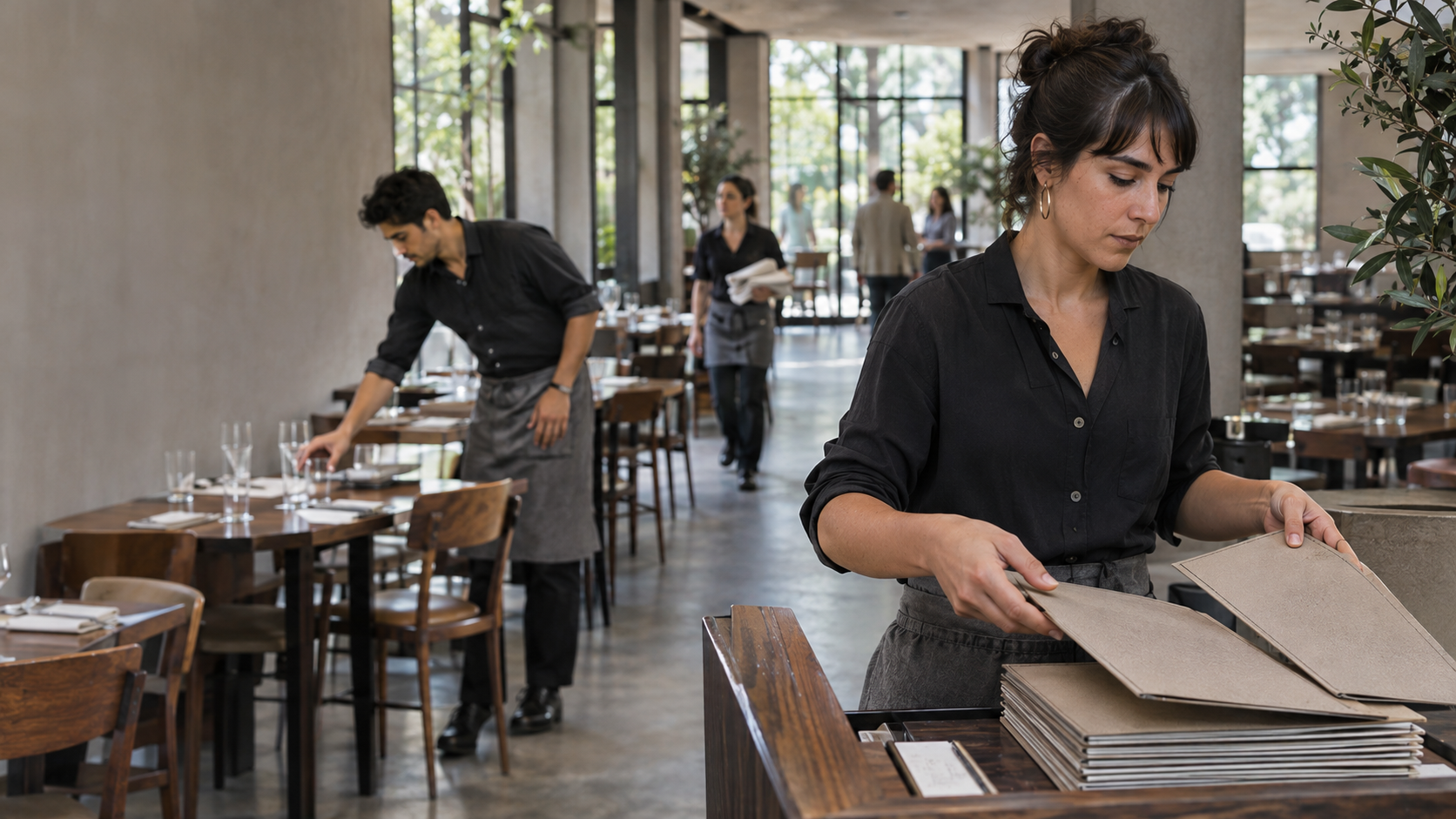
Your menu reaches further than the dining room
The menu is not what you create after designing the restaurant. It is what you use to design the restaurant.
Every dish added to a menu creates demands. It requires ingredients, storage, preparation, equipment, labor, communication, pricing, and consistent execution.
The question is not only whether the dish is good. The question is what it asks from the restaurant and what it contributes in return.
I examine the menu as a complete system
My approach is based on four connected forms of work: research, experimentation, documentation, and refinement. Depending on the project, these may involve reviewing an existing menu, observing kitchen practice, analyzing costs and ingredient use, testing alternatives, developing new menu directions, or preparing the restaurant for implementation.
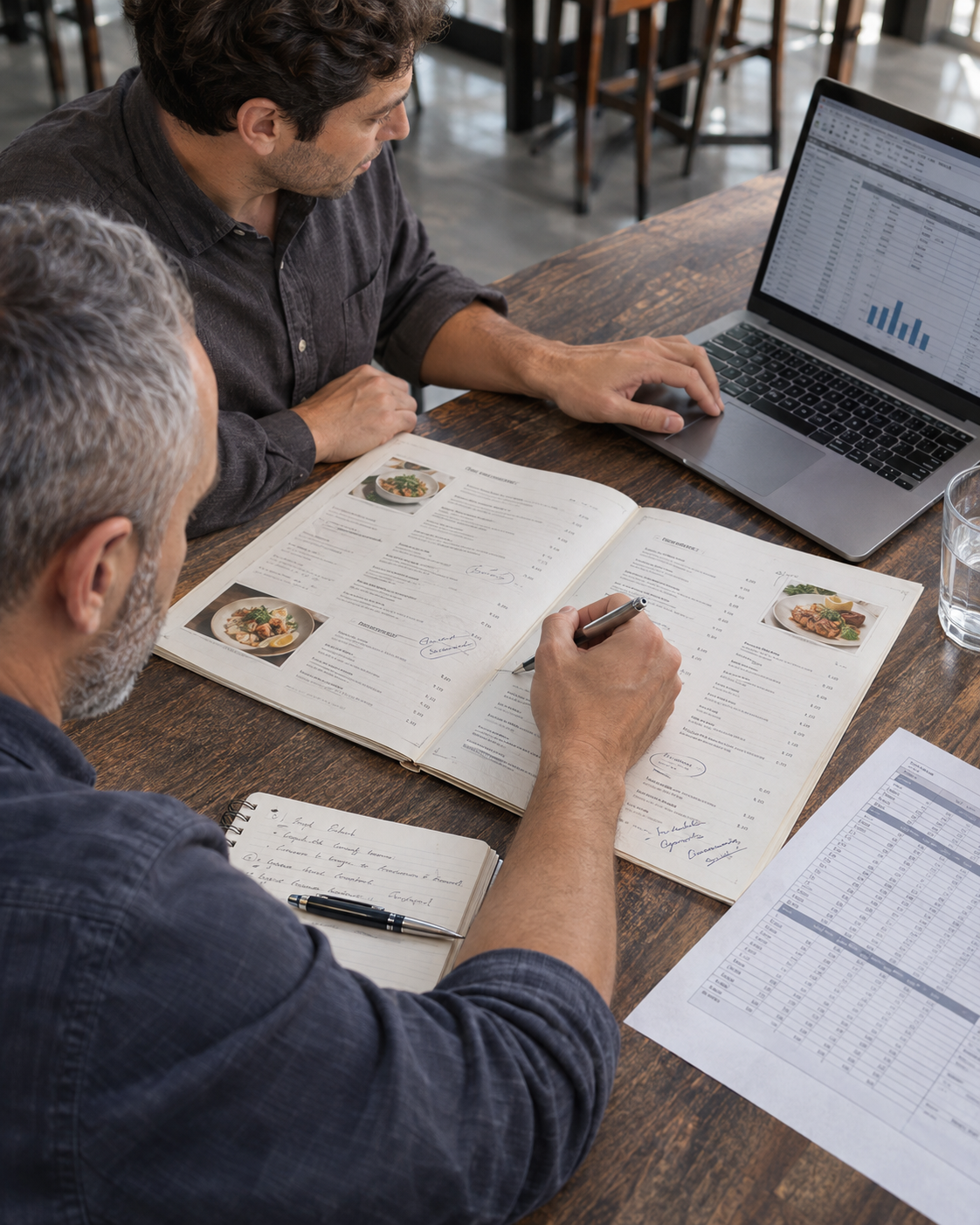
RESEARCH
Understand together the concept, audience, operation, ingredients, team, equipment, costs, and market
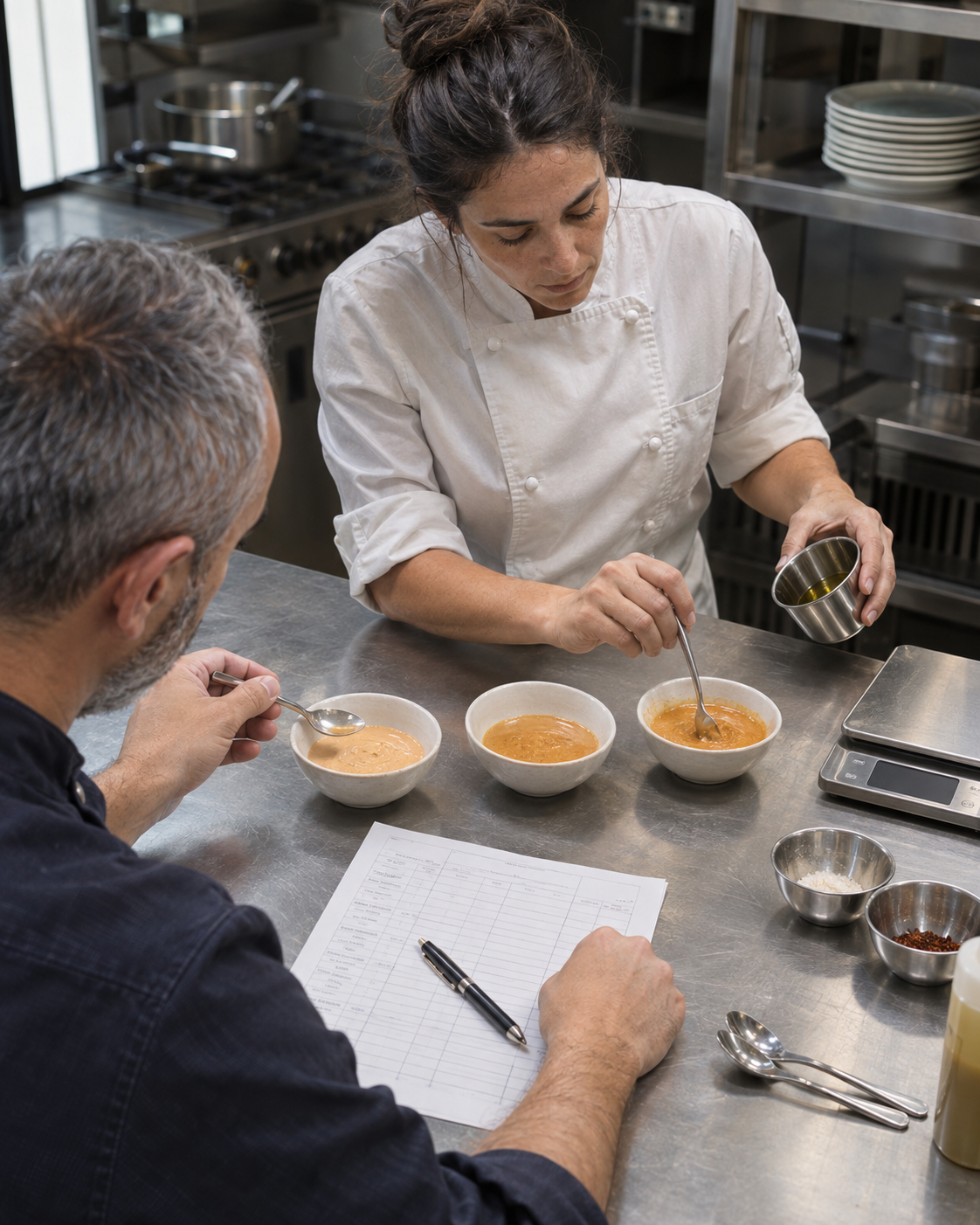
EXPERIMENTATION
Test dishes, portions, menu structures, production systems, and commercial alternatives with your team and kitchen
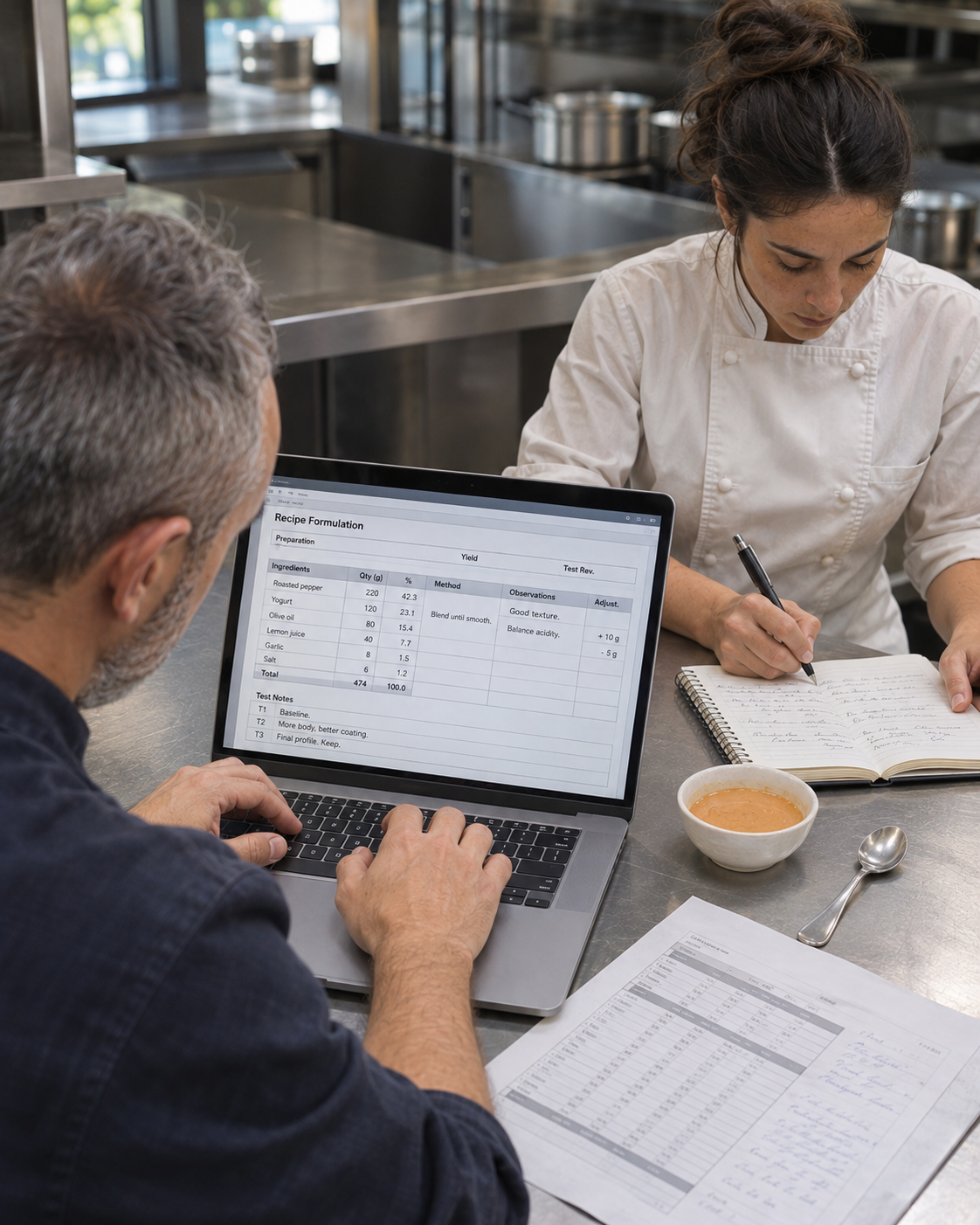
DOCUMENTATION
With my leadership, we create the working materials needed to evaluate, communicate, cost, and execute the menu
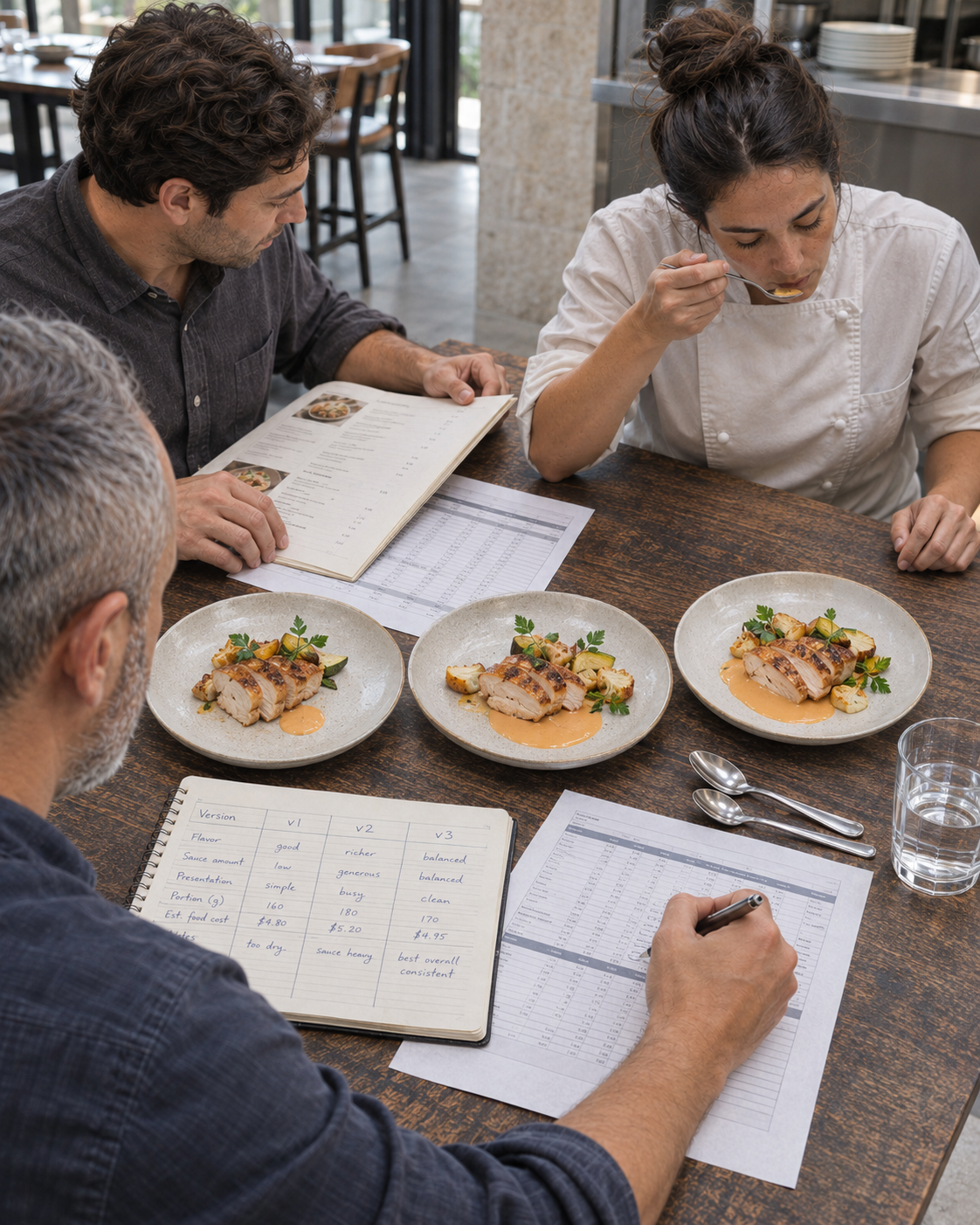
REFINEMENT
Through supervision and guidance we improve the menu through testing, observation, costing, feedback, and operational reality
Ways we can work together
The work begins with the menu you have, or the one you are trying to build
Menu Review
For an existing restaurant that needs an informed external perspective.
I review the menu to identify its immediate strengths, inconsistencies, risks, and opportunities.
Menu Audit & Refinement
For an established restaurant experiencing deeper culinary, operational, or commercial problems.
I examine how the menu performs across the kitchen, ingredient system, guest experience, pricing, and profitability, then develop a prioritized refinement plan.
New Menu Development
For an opening, repositioning, new concept, or substantial menu change.
I help develop a working menu around the restaurant’s culinary direction, intended audience, resources, operating capacity, and commercial reality.
The scope IS DETERMINED BY THE CONTEXT, IT is built around YOUR OPERATION
Direction
Working menu, menu development brief, culinary criteria, dish roles, and menu architecture.
Culinary and Operational Analysis
Ingredient use, recipe and portion review, station pressure, production requirements, equipment, and testing.
Commercial and Guest-Facing Analysis
Costing, pricing, menu balance, sales roles, language, hierarchy, physical format, and presentation.
Documentation and Action
Audit findings, prioritized recommendations, revised working documents, testing plan, and implementation plan.
*After the initial conversation, we define the scope. Not every restaurant needs every form of analysis or documentation.
The working menu, analysis, recipes, costing, and recommendations are not the final result. They are the tools required to begin changing what happens inside the restaurant.
GUIDED IMPLEMENTATION
The report is not the result. We put the menu into practice together.
A report can explain what should change. It cannot prepare a station, clarify a recipe, organize a service, or help a team respond when the first test reveals something unexpected.
My work does not end when the menu or recommendations are approved. I help translate those decisions into daily practice with the people who will be responsible for carrying them forward.
Depending on the project, we may validate recipes and portions, organize preparation and station responsibilities, create the working documents the team actually needs, brief and train kitchen and service staff, run trial services, observe the menu in operation, and make early adjustments.
I take the lead in guiding the transition, but we do the work together. Your team begins using the system while I am still there to answer questions, identify gaps, and correct what is not yet working.
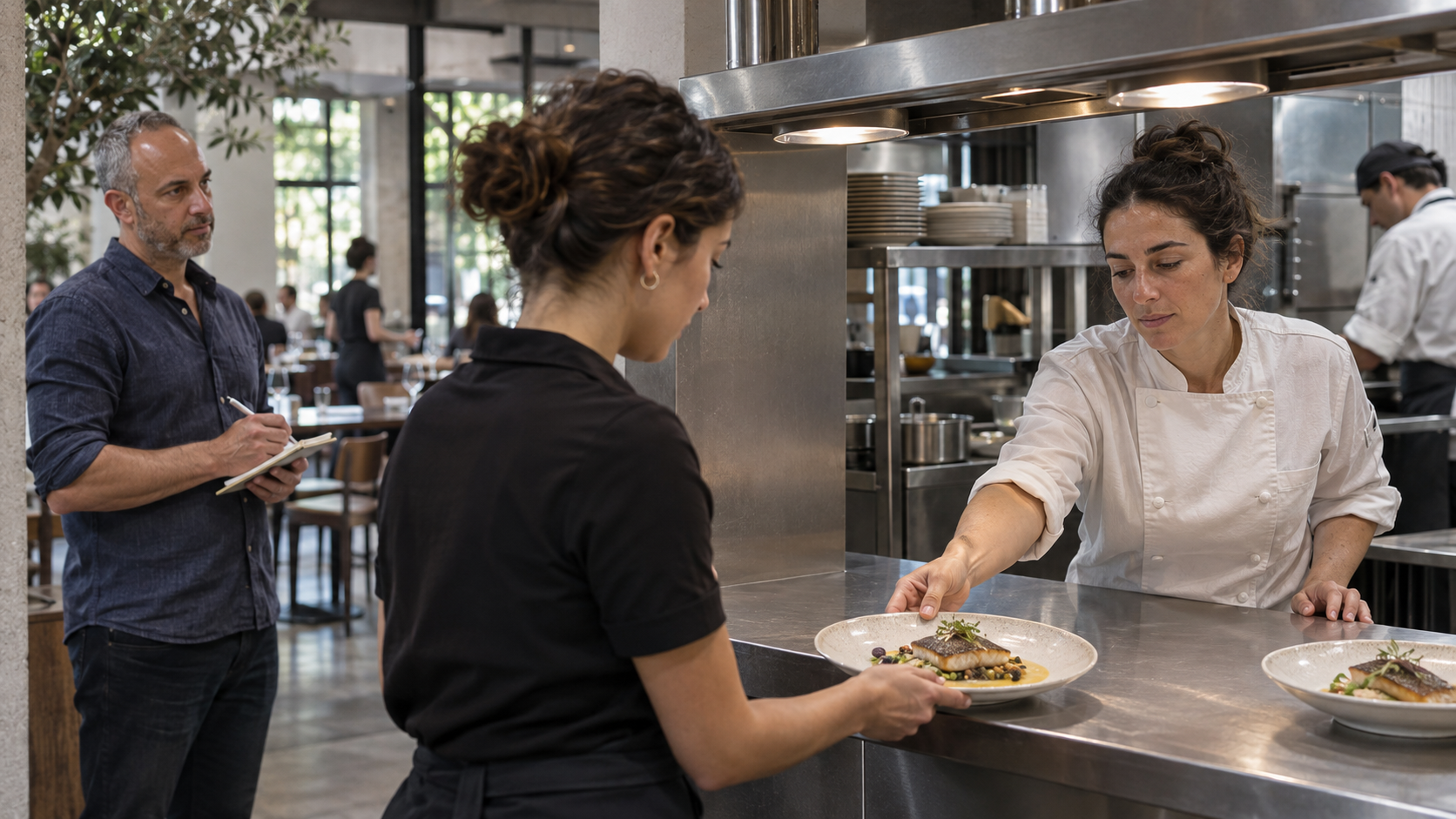
I lead the transition, Your restaurant owns the result
My objective is not to make the restaurant dependent on a consultant. It is to leave the team able to execute, evaluate, and continue refining the menu on its own.
Every dish added to a menu creates demands. It requires ingredients, storage, preparation, equipment, labor, communication, pricing, and consistent execution.
The question is not only whether the dish is good. The question is what it asks from the restaurant and what it contributes in return.
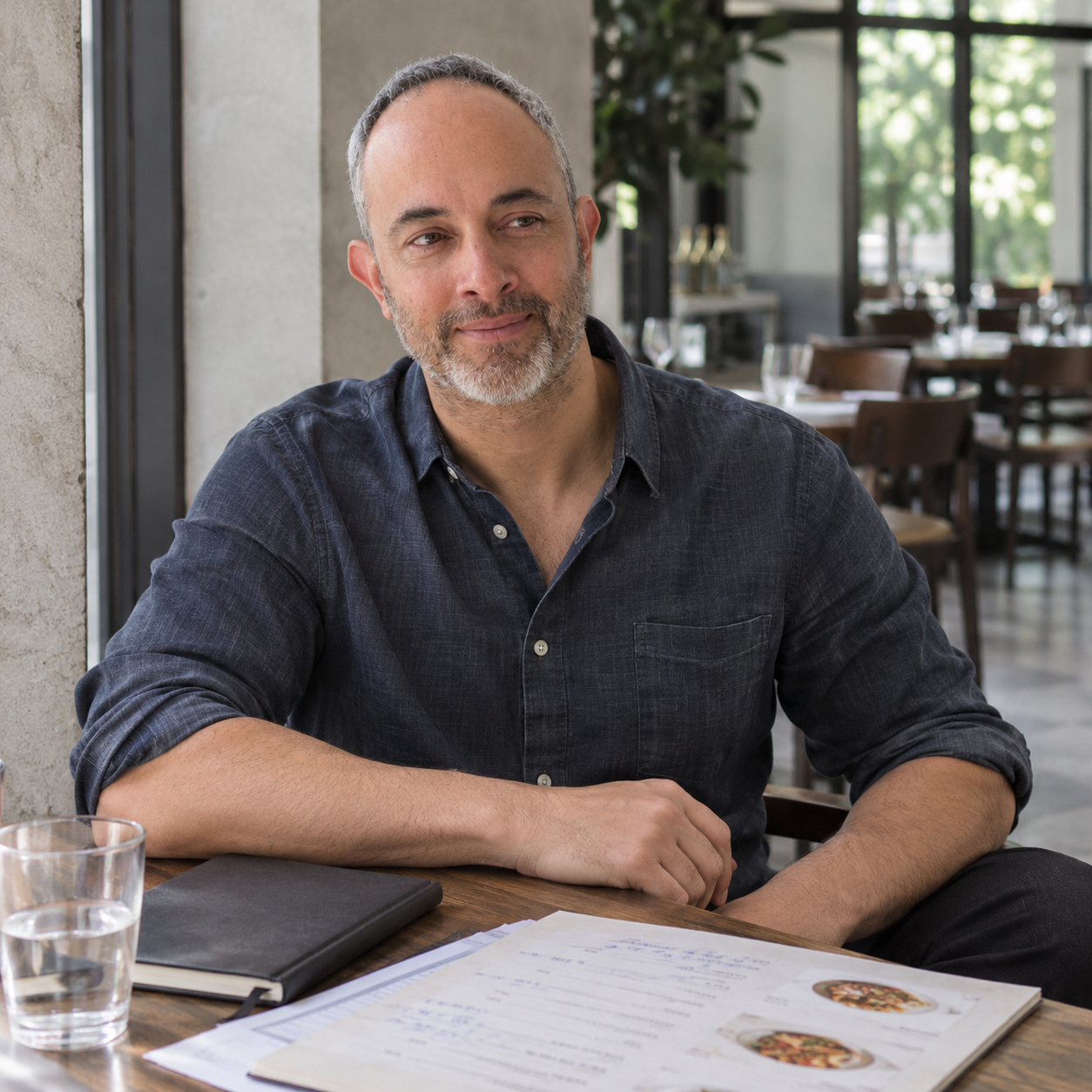
Tell me what is happening with your menu
You may have an existing menu, an early draft, or only the beginnings of a restaurant concept.
Tell me where the project stands and what is not yet working. I will use the initial conversation to understand the situation and determine whether I can help.
If you want to know more about my background and experience.
My approach comes from working not only with dishes, but with the operational conditions that allow them to exist… Read more about my approach to Menu Matters in the professional kitchen.
I have worked with menus from both sides of the pass
Let's discuss your menuComplete the form with contextual information regarding your challenges, timelines, and desired outcomes, I will respond promptly to address your challenges.