The Blank Plate: A Lesson in Culinary Composition
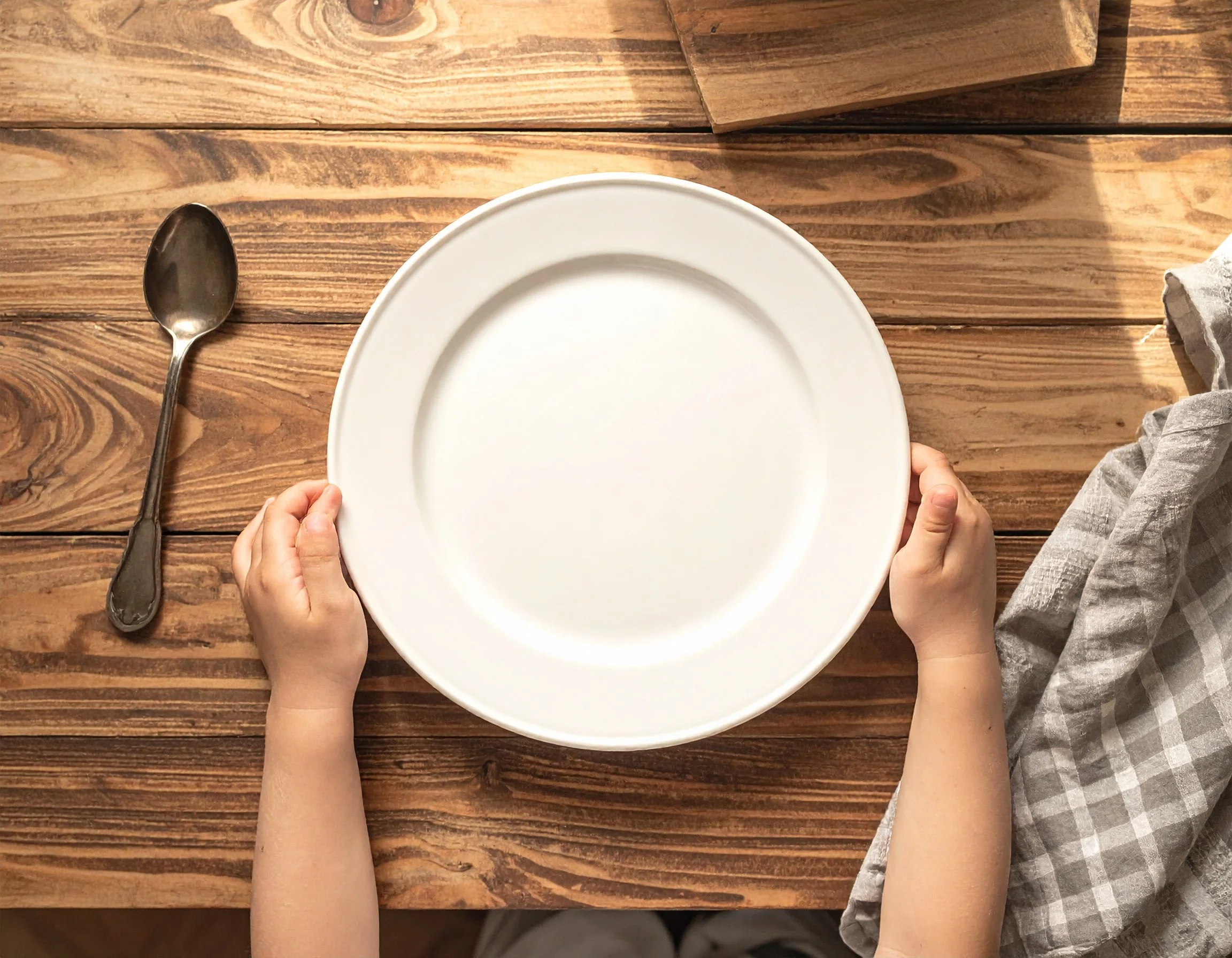
While still being a child back in Guatemala, I remember sitting at my aunt’s wooden table, my legs barely reaching the edge of the chair. In front of me, a blank ceramic plate. White. Empty. Waiting. She disappeared into the kitchen and returned with a pot of black bean soup, thick and dark, the kind that carries the smell of smoke and slow cooking. Without ceremony, she lifted the plate, brought it to the stove, and poured a generous scoop into the center. The white surface vanished under a deep, glossy black.
As I watched the serving spectacle, she grabbed a dented tin of olive oil, the kind with two holes punched into the lid — one for air, one for pouring. Without asking, she tilted it and let a thin thread fall onto the surface of the black beans on my plate. Not randomly. Intentionally. A loose ring, almost like she was drawing, that was something I had never seen before. After that, she took a block of hard white cheese (Queso Duro) and crushed it between her fingers, letting it fall like snow over the oil and the beans. The blank plate was transformed.
I had eaten black beans my whole life. Beans with tortillas. Beans with cheese. But never with olive oil. The smell reached me first — grassy, sharp, unfamiliar against the earthy depth of the soup. I was four, maybe five. I remember hesitating. Then tasting. It was strange. The olive oil did not belong there, at least not in the logic of tradition. It clashed. It interrupted the expected flavor. And yet, I liked it. Not because it was harmonious, but because it was different. That plate became a milestone in flavor awareness, and my first lesson in plating composition.
Architecture Before Flavor
Before flavor, there is form. Before seasoning, there is structure. The beans filled the plate. The oil created movement. The cheese added texture. It was not a recipe adjustment. It was a gesture. Years later, when I began cooking professionally, I realized that I approach every dish the same way I looked at that plate: first as space. Any good painter will tell you to respect the canvas before touching it and understand your plane of composition. Legendary painter Mark Rothko would sit for days in front of his blank canvases before starting to paint.
Composition determines everything in visual communication. Where the weight sits. Where the eye moves. Where tension lives. In the kitchen, most people begin making a dish thinking about flavor and texture—salt, acid, spice. Although that is of the essence in your recipe, it is otherwise how that comes to existence on a plate. I begin with architecture. Where will the density sit? Where does the lightness break? What interrupts the monotony? Flavor matters. But flavor without structure collapses. It becomes a mess.
When I worked in the kitchens of Barcelona, Ferran Adrià was the talk of the town; any relevant restaurant was aware of Adrià’s deconstructionist theories of recipes and their elements. His ideas certainly influenced how I see plating today. When I start with texture, I am building the skeleton. Crunch against cream. Silk against resistance. Fat cuts through earthy flavors. It is the physical choreography of the bite that interests me first. Only then does seasoning refine it.
The Logic of Fusion
That childhood plate taught me something I did not have the language for at the time: a dish is not just cooked. It is arranged. The blank plate is never truly blank. It is potentiality held in restraint. For the serious cook chasing “better flavor,” I would suggest looking at your plate before touching the salt. Ask yourself where the movement is. Where the contrast lies. Where the surprise will sit.
Sometimes innovation is not inventing something new. Sometimes it is a thin ring of olive oil on something you thought you already understood. That plate did not reject tradition. It recomposed it. And only much later did I understand what was actually happening on that table. Black beans and tortillas were part of my Mesoamerican inheritance. Olive oil carried the quiet echo of the Mediterranean. The hard white cheese sat somewhere in between. My aunt was not performing “fusion cuisine.” She was cooking the way she liked to eat.
There was no anxiety about authenticity. No debate about purity. No theoretical framework. Just instinct. That moment was my first encounter with culinary cultures meeting each other without conflict. The oil did not erase the beans. The beans did not reject the oil. They coexisted on the same plate, each one altering the other slightly. Fusion, at its best, is not a collision. It is a conversation. It is not about disrespecting tradition. It is about acknowledging that tradition has always been porous.
Ingredients travel. Techniques migrate. People adapt. What we call “authentic” today was often an innovation yesterday. As a child, I did not know I was tasting Mediterranean influence folded into Mesoamerican ritual. I only knew that something familiar had shifted — and that the shift made me curious. That curiosity never left. It shaped the way I see food. It shaped the way I build dishes. It shaped the way I understand creativity itself: not as rebellion, but as recomposition. The blank plate is never neutral. It is a meeting place.