Culinary collector RECIPE LAB
Recipes are more than instructions. They are promises.
Recipes carry trust.
They need to work not only for the person who created them, but for the people, kitchens, and conditions they are intended to serve.
Through Culinary Collector Recipe Lab, I offer recipe auditing, stress testing, and development support for culinary creators, food writers, recipe publishers, small food brands, and independent culinary projects.
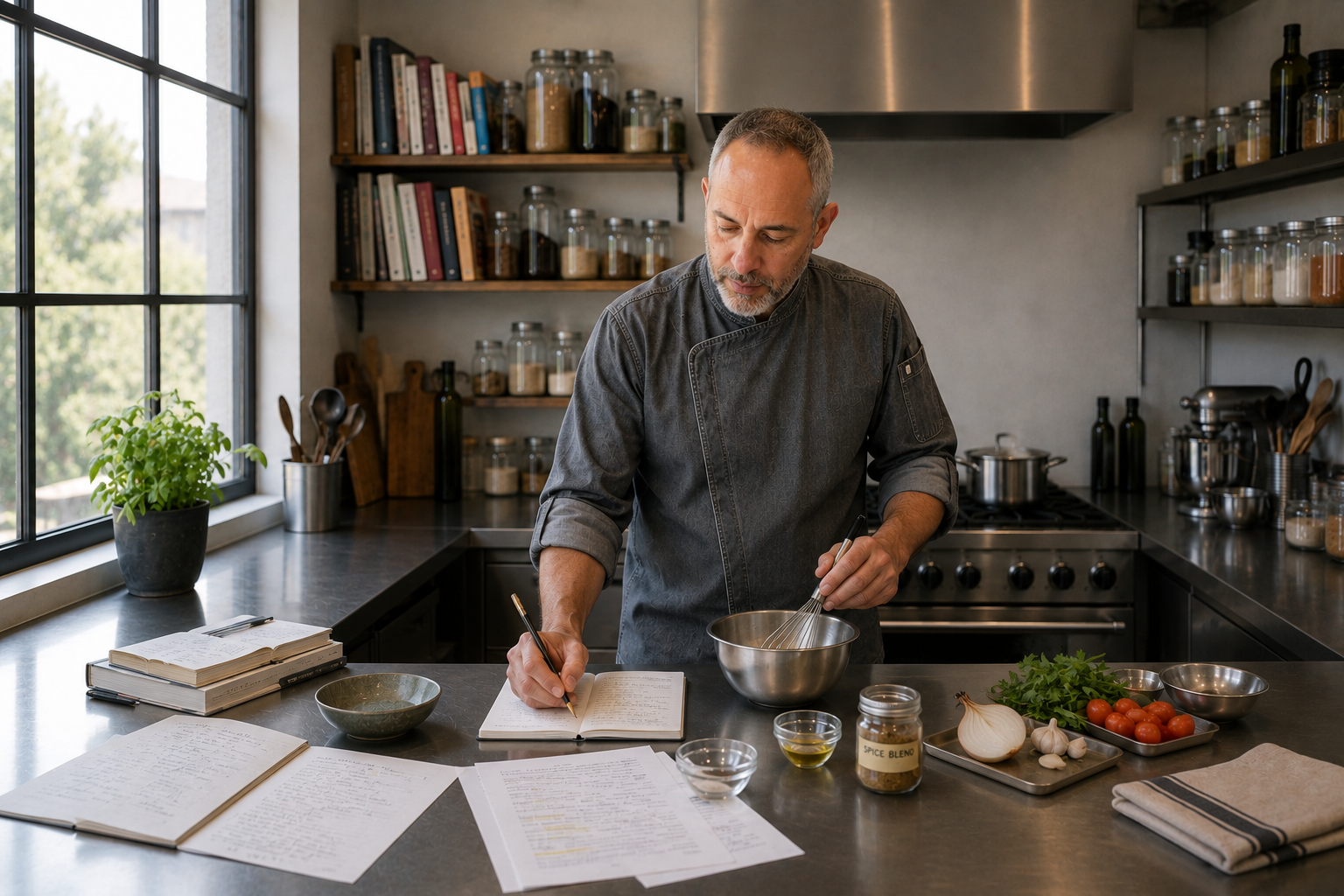
When Is a Recipe Really Ready?
A recipe can work once and still not be ready
A successful result is not always the same as a reliable recipe.
You may already know how hot the pan should be, what the texture should feel like, or when a preparation needs another minute. But some of those decisions may still exist only in your experience and not in the recipe itself.
That is where I begin.
I look at what the recipe is trying to do, who it is for, how it reads, how it cooks, and where it may need more precision.
The question is not simply whether the recipe works.
The question is whether the recipe itself can do the work it is being asked to do.
What I Offer
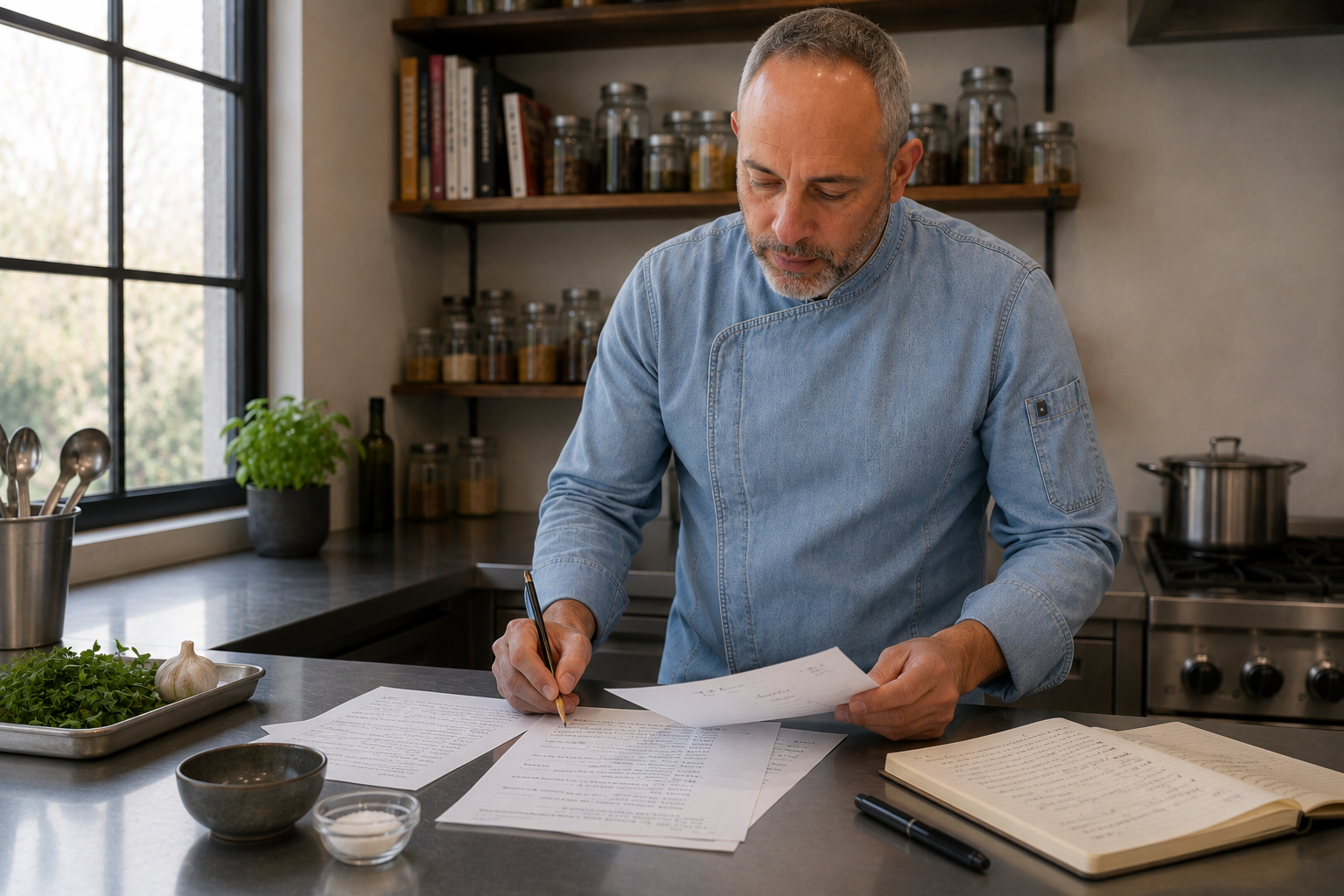
Recipe Audit
Before changing a recipe, I first look at what it is being asked to do.
An audit examines the recipe in context: its audience, purpose, ingredients, method, instructions, and intended result.
The goal is to identify hidden assumptions, unclear instructions, possible points of friction, timing issues, and areas worth testing further.
An audit is not an excuse to change a recipe. Sometimes the right conclusion is that very little should change.
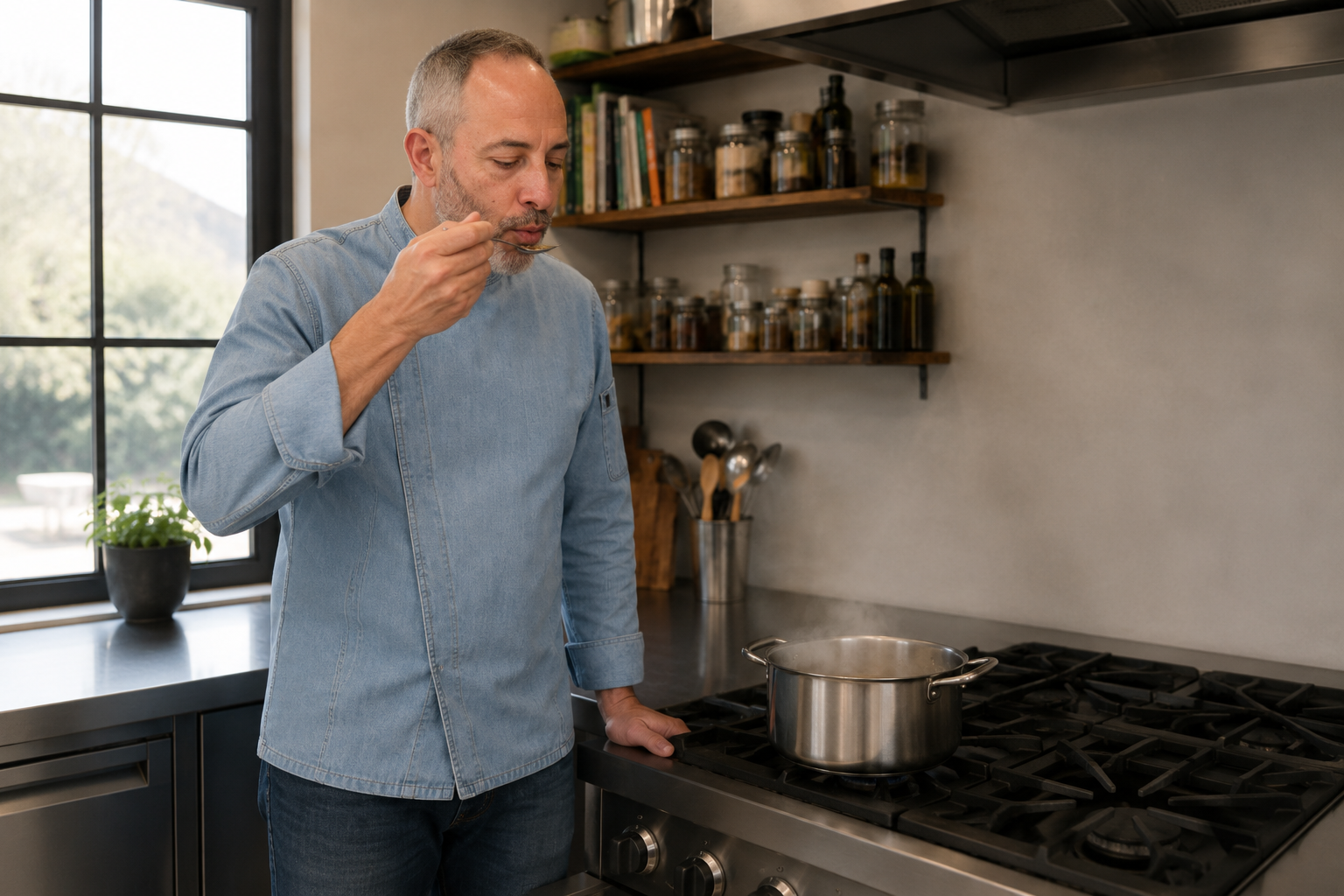
Recipe Stress Test
A recipe may work perfectly for the person who created it and become unclear in someone else’s hands.
When testing is needed, I cook the recipe and observe what happens.
Where does another cook hesitate? Which instructions depend on hidden knowledge? Does the timing hold? Do the sensory cues make sense? Does equipment change the result?
The purpose of stress testing is to understand what the recipe depends on.
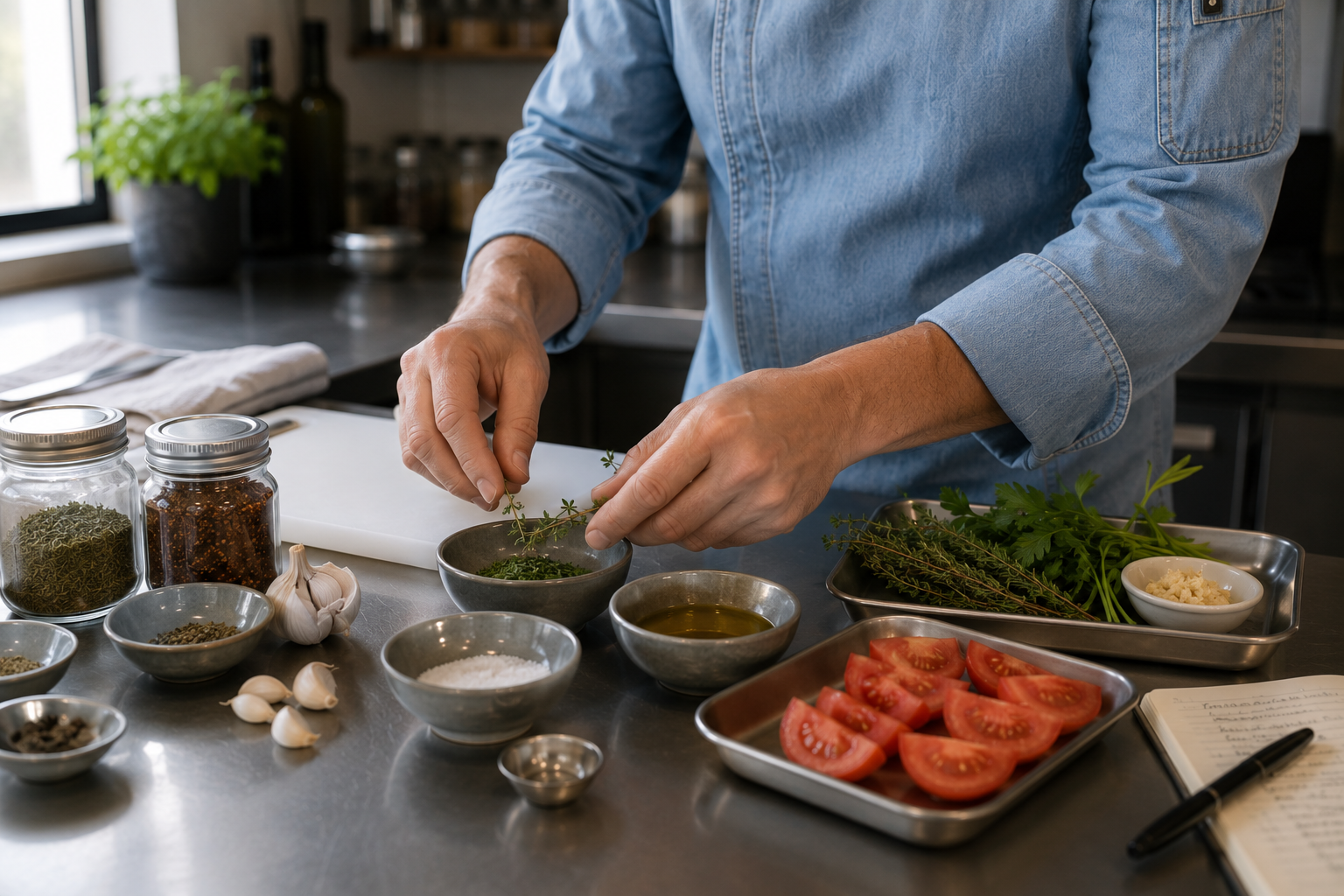
Recipe Development
Development begins when a recipe, idea, or existing formula needs to move from possibility toward a clearer, tested, and usable version.
This may involve a new concept, an older archive recipe, a small recipe collection, or an early-stage culinary product.
Through research, testing, comparison, documentation, and refinement, I work toward the version that best fulfills the purpose of the recipe.
Here, the work may involve creating, comparing, and refining several versions before deciding which one best fulfills the purpose of the recipe or project.
How I question a Recipe
ClarityCan the reader understand what to do, when to do it, and what they should be observing throughout the recipe steps?
ReliabilityIn the context of its intended audience, does the recipe provide enough structure to produce a consistent result?
Flavor LogicDo the ingredients, techniques, seasoning choices, and sensory goals work together? What could be other alternatives?
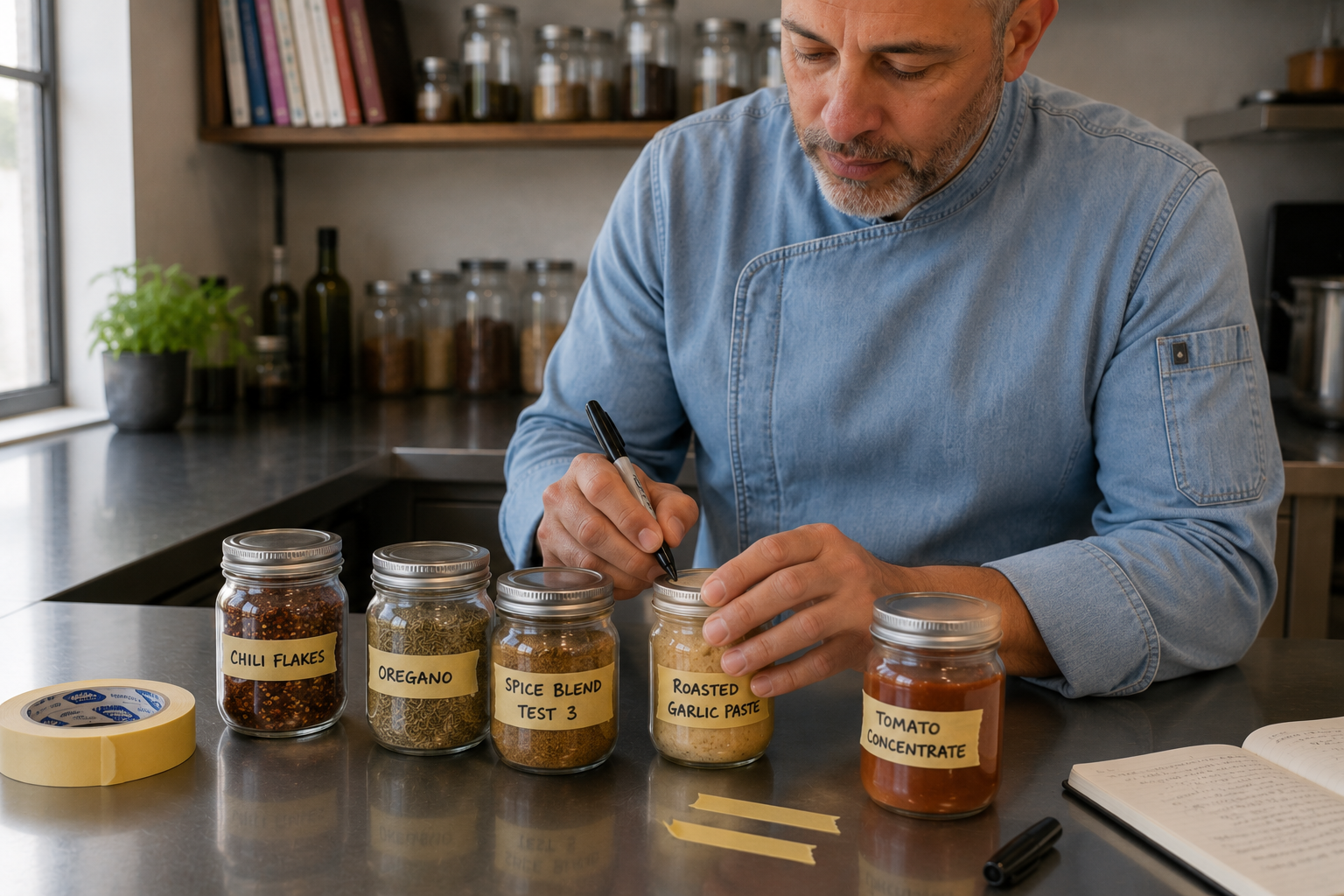
Who This Is For
Food Writers & Recipe Publishers
For published or upcoming recipes that need clearer instructions, stronger testing, or thoughtful refinement.
Cookbook & Digital Product Creators
For recipe collections, e-books, guides, and courses that need consistency and a second professional eye.
Culinary Creators & Educators
For recipes, lessons, guides, or digital products that need to be easier to follow, use, or teach.
Small Food Brands & Culinary Projects
For sauces, blends, condiments, menu items, or product ideas that need development, documentation, or refinement.
How the Process Works
Send the Recipe or Project
1
In order for me to get acquainted with your project. Share the recipe, draft, link, formula, or culinary idea you want reviewed through the form below. Include a short note about your goal, concern, or intended audience.
We Define the Best Starting Point through a discovery call
2
We’ll get to know each other through a video call. During our call we’ll review the material and I will recommend the most useful first step: a recipe audit, a kitchen stress test, or a development session.
*The call is at no cost, it will take us between 15 to 30 mins, depending on the scope of your project.
We Begin with a Small Paid Review
3
Once we agree to work together, most collaborations begin with a focused audit or test. This creates a clear, low-risk starting point before expanding into a larger project.
*After our discovery call I will email you a working proposal including timeline, costs and fees. Once you agree, I start working on your project.
You Receive a Structured Report
4
You receive observations, recommendations, technical notes, and suggested next steps, written in a way that supports your recipe and your voice.
We Continue if There Is a Fit
5
If the work is useful, the collaboration can continue through additional recipe testing, development, documentation, or ongoing R&D support.
What You Receive
Each report is designed to be practical, specific, and usable, not a generic critique. Depending on the project, a Recipe Lab review may include:
Method clarity observations
Ingredient and measurement notes
Timing and sequencing review
Possible reader confusion points
Texture, flavor, and aroma notes
Substitution or scaling considerations
Suggested method edits
Technical recommendations
A concise next-step plan
*Not every recipe requires every kind of intervention. The work is defined according to the recipe, its purpose, and the scope of the project.
Why WORK WITH ME
I bring more than two decades of experience across professional kitchens, culinary education, recipe formulation, restaurant operations, and creative R&D.
Through Culinary Collector, I have developed a way of working built around research, experimentation, documentation, and refinement.
For the Recipe Lab, that means looking closely, testing when necessary, recording what happens, and making recommendations based on evidence rather than assumption.
The objective is not simply to produce another version of the recipe. The objective is to understand the recipe well enough to make better decisions about it.
In that sense, my goal is not to take over your voice or your work, but to support it.
You already have the idea, the audience, and the direction. I bring a trained culinary eye, structured testing, documentation, and practical recommendations.
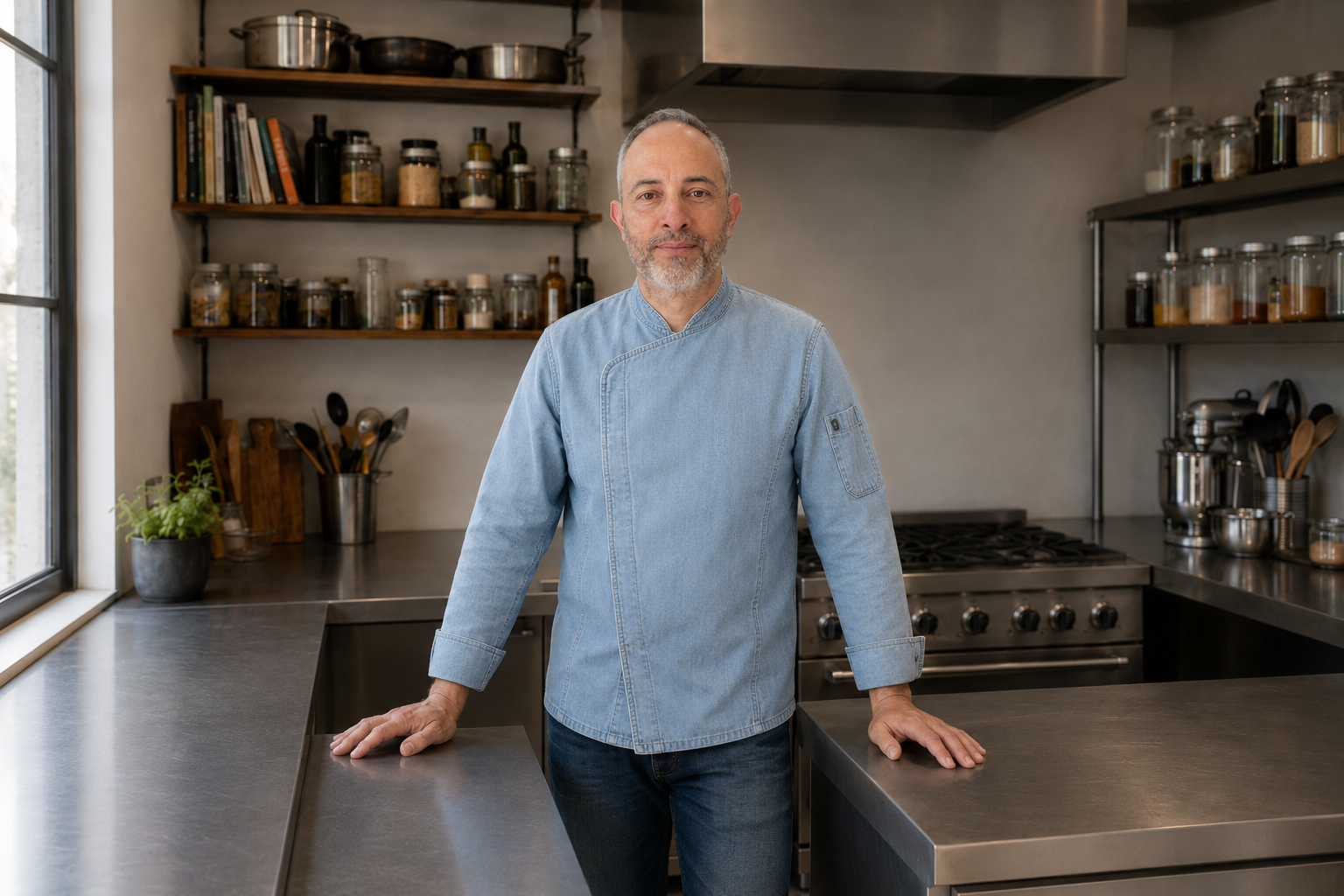
Renato Osoy is a Le Cordon Bleu-trained chef, culinary educator, creative director, and founder of Culinary Collector.
Professional culinary training in Paris (LCB) and Barcelona (ESHOB).
Experience in Michelin-starred kitchens in Europe.
Background in artistic research and creative methodology.
Experience in restaurant leadership, recipe formulation, and culinary education.
TELL ME ABOUT YOUR PROJECT
If you're interested in working together, complete the form with a few details about your project. I'll review your message and get back to you within a couple of days to schedule our call.
Let’s work together!
Frequently Asked Questions
Still have questions? Take a look at the FAQ or reach me anytime at renato@culinarycollector.com
If you’re feeling ready, go ahead and apply through the form above.
-
Yes. We can review published recipes, draft recipes, recipes prepared for republication, or recipes being developed for a book, website, newsletter, product, or culinary project.
-
A recipe audit reviews the recipe as a written and culinary structure. A recipe stress test goes further by cooking the recipe from start to finish and observing how it performs in practice. The right option depends on the recipe, the intended use, and the level of verification required.
-
Yes. Recipe Lab work is collaborative and supportive. We identify where a recipe may become clearer, stronger, more reliable, or more expressive, but the final creative direction remains with the client.
-
Yes. Confidentiality is part of the working relationship from the first exchange. Recipes, drafts, ideas, formulas, project details, and correspondence are treated as private unless both parties agree otherwise in writing.
-
No. We do not disclose client names, projects, recipes, or collaborations without permission. Some clients may want public credit, testimonials, or case studies; others may prefer complete discretion. Both approaches are respected.
-
Yes. For larger projects, ongoing collaborations, unpublished recipes, book projects, brand formulas, or sensitive product development work, we can work with a non-disclosure agreement. For smaller first audits, confidentiality still applies, and an NDA can be discussed if needed.
-
The original recipe, concept, brand, and publication rights remain with the client unless a different agreement is made in writing. Our role is to provide testing, review, refinement, documentation, and development support.
-
Timelines depend on the scope of the work, the complexity of the recipe, the number of recipes, ingredient sourcing, and whether kitchen testing is required. A single written audit may move faster than a full kitchen stress test or recipe development project. Timeline is confirmed before work begins.
-
Deliverables depend on the project. A Recipe Lab report may include observations on ingredients, measurements, method clarity, timing, texture, flavor, aroma, substitutions, scaling, possible reader confusion, and suggested next steps. The goal is to provide practical notes that can be used directly in revision.
-
Yes. Many collaborations can begin with one recipe audit and expand into ongoing recipe testing, development, documentation, product refinement, or culinary R&D support.
-
Payment is handled through a secure checkout or invoicing process before the project begins. The exact payment method and project fee are confirmed after the scope of work is defined.
-
If something does not feel aligned before the work begins, we can review the situation and determine the best solution. Once testing, auditing, sourcing, or development work has started, refunds depend on the stage of the project and the agreed scope. The goal is always to keep the process clear, fair, and professional.
-
That is normal. You can send a short description of the recipe or project, and we will recommend the most useful starting point: a recipe audit, a kitchen stress test, a development session, or a larger R&D conversation.
-
No. We cannot guarantee audience response, sales, search performance, publication results, or brand success. What we provide is professional culinary review, testing, documentation, and refinement to help the recipe become clearer, more reliable, and better prepared for its intended use.